Art : Moscow museums open on Sunday
Not every museum in the city, but those that can open new worlds, point to genuine masterpieces, sharpen the mind and move the soul. Every entry carries our own rating of the collection, what matters most here, a minimum route to the essentials, when to come to avoid the crowds and what it costs. Every entry is dated with its last check.
Money in The Master and Margarita: ancient Judaea and Moscow of the 1920s–30s, set object against object. For Bulgakov’s 135th anniversary.
Over 140 works from twenty collections: The Pool, The Emerald Necklace and studies almost never shown. Russian Symbolism is one of the summits at which art lifts a person beyond himself; a retrospective this full comes once in a generation.
The first large exhibition of the new Kadashevskaya wing: the flower in Russian art from the icon to the 20th century.
More than 150 sheets that almost never leave the store: pastel sheds under light and movement and is rarely shown. Halls 49–54.
Over seven hundred objects: sculpture and painting of Russian Buddhism, almost none of it shown before. More than a hundred sculptures were conserved for the opening.
Work by the sculptor who carved quebracho and algarrobo: in his hands wood holds shapes impossible in marble.
Iranian painting of the 18th and 19th century, recently acquired by the museum. A small show in the main building on Nikitsky Boulevard.
"От Елизаветы до Виктории" — выставка-подарок от лондонской Национальной портретной галереи к юбилею Третьяковской галереи
Выставка, подготовленная парижским музеем на набережной Бранли, рассказывает о культуре народов, населяющих территории шести стран: южной части Камеруна, Экваториальной Гвинеи, Габона, Республики Конго, Демократической Республики Конго, а также части Анголы
Музей представляет выставку, посвященную ювелирному искусству греков и варваров, некогда обитавших на берегах Черного моря. Предметный ряд выставки включает около 200 золотых украшений VI в. до н.э. – V в. н.э. и более 100 золотых монет греческой и римской чеканки из собрания музея.
Выставка, на которой представлены фотографии конца XIX – начала XX века, посвящена путешествиям П.М. Третьякова. Поездки представляли серьезный интерес для Павла Михайловича: он посетил 250 городов в 20 странах Европы.
Музей представляет на выставке шахматы России, государств Европы и Азии, Латинской Америки и Африки, выполненные из самых разнообразных материалов.
ГМИИ им. А.С. Пушкина открывает двери современным течениям в искусстве. Параллельно с выставкой «Вечные темы искусства», приуроченной к XXXV Международному музыкальному фестивалю «Декабрьские вечера Святослава Рихтера» зрители увидят уникальную выставку видеоработ современных художников из разных ст
На выставке представлены уникальные рукописные документы, мемориальные предметы и редкие книжные памятники. На небольшом пространстве собраны автографы А.С. Грибоедова, М.Ю. Лермонтова, Н.В. Гоголя, Н.А. Некрасова, Ф.М. Достоевского, Л.Н. Толстого, И.А. Бунина, А.П. Чехова, А. Белого, М. Горького и
В Государственном литературном музее открывается выставка, приуроченная к 125-летию Осипа Мандельштама. Портреты и фотографии Мандельштама и его окружения, автографы, документы, прижизненные издания, книги с инскриптами, рукописи писателя – проект, беспрецедентный по количеству экспонатов и числу му
В этом году музейное собрание «Дома Гоголя» пополнилось предметами музейного значения в количестве свыше пятисот единиц. Коллекцию подарков в фонды «Дома Гоголя» открыла необычная бронзовая композиция выдающегося российского скульптора Григория Потоцкого «Писатель Николай Гоголь».
Впервые в Третьяковской галерее проходит выставка Таира Теймуровича Салахова (род. 1928) – классика живописи, мастера, продолжающего работать и сегодня. В его творчестве проявились главные темы живописи 1950–2000-х годов. Он вошел в историю искусства как ключевая фигура «сурового стиля» и остается с
Пушкинская речь запомнилась современникам и вошла в историю русской культуры не только масштабностью своего содержания, но равно и тем беспримерным откликом, который она вызвала в зале. Такого духовного единства и подъёма русская интеллигенция ни до, ни после никогда не испытывала.
Третьяковская галерея представляет искусство известного ленинградского художника-графика Валентина Ивановича Курдова (1905–1989). В собрании музея хранятся станковые графические серии, плакаты и рисунки военного времени, книжная графика и книги с иллюстрациями автора.
Дрезденская галерея – это уникальное собрание живописи старых мастеров. Редчайшее собрание картин сформировалось в XVIII веке благодаря усилиям нескльких поколений саксонских монархов, а в середине XIX века коллекция была превращена в музей и для шедевров возвели специальное здание.
Проект познакомит российского зрителя с историей китайского кинематографа – от эпохи, предшествующей его появлению, до блокбастеров XXI века. В экспозиции представлены многочисленные киноафиши, макеты, костюмы, реквизит и др.
Русская усадьба была основой дворянской жизни, экономики и культуры Российской империи. На конкурс было представлено более 500 работ, выполненных в 1987–2014 гг., запечатлевших многие усадьбы центральной России. На выставке представлены лучшие работы победителей конкурса «Образ русской усадьбы».
Предметы холодного оружия из собрания Музея Азии и Тихого океана (Варшава) представляют собой произведения традиционного декоративно-прикладного искусства Индонезии.
Насыщенная уникальными документальными и художественными материалами, произведениями искусства и предметами эпохи XVII – XX веков, выставка увлекательно рассказывает о взаимоотношениях двух старинных российских родов – Пушкиных и Романовых.
В одном из залов постоянной экспозиции Третьяковской галереи появилась редкая возможность разместить все хранящиеся в фондах живописные и часть графических работ В.Васнецова этого цикла, поступившие в Галерею почти 120 лет назад.
Одна из крупнейших в России коллекций искусства этих школ. Экспонируются работы К.Паудиса, Б.Деннера, И.Купецкого, Ф.К.К.Палко.
На выставке представлена Тверская областная картинная галерея – один из старейших региональных художественных музеев России.
Выставка посвящена натюрморту – наиболее концептуальному жанру изобразительного искусства. Внешне бессюжетный, этот жанр является одним из самых философских, отражая все многообразие связей человека с миром вещей.
Экспонатами выставки стали различные документы, отражающие как богоборческую политику власти, так и реакцию на нее Церкви. Смысловым центром экспозиции являются разделы, посвященные эпохе самых масштабных и кровавых гонений: с октябрьского переворота по 1937 год.
Выставка строится на противопоставлении русской мечты о «земном потерянном рае», воплощённой в главе «Сон Обломова», и идеи прогресса и цивилизации. Основа выставки - материалы Гончаровской коллекции Литературного музея
В экспозиции представлены археологические находки из Бородинского и Галичского кладов, которые позволяют составить представление об основных достижениях бронзового века.
Впервые в ГМИИ представлена выставка резных камней из собрания Музея. В экспозицию включены около 150 гемм.
К 125-летию со дня рождения мастера. Экспозиция призвана показать его многогранность не только как архитектора, но и художника, дизайнера, издателя.
Произведения основателя супрематизма и его учеников. Многие из них впервые экспонируются в России.
В центре экспозиции – медали и гравюры, которые были созданы как отражение грандиозных исторических событий конца XVIII – начала XIX веков, а также экспонаты, связанные с участниками военных событий тех лет, и памятные знаки, выполненные последующими поколениями.
Уникальные документы из российских и зарубежных архивов.
Впервые в одном выставочном пространстве будет представлено 100 произведений западноевропейских мастеров VI-XVIII веков, выполненных в разных жанрах и стилях, из девяти музеев Украины.
Беспрецедентный по масштабам исторический проект, призванный представить развитие музея в исторической перспективе.
Выставку малоизвестного графического наследия Марка Шагала (1887–1985). Проект включен в программу Года французского языка и литературы в России, обозначив тем самым одну из основных особенностей творчества Марка Шагала – его интернациональность.
В рамках Года российской истории в музее открылась выставка «История под глазурью». Советский агитационный и тематический фарфор 1917-1991 гг.
Эпоха 1812 года в собрании ГМП и коллекции Александра Васильева
Выставка посвященна истории основания музея и формирования его коллекций с момента создания и до нас
Выставка приурочена к 130-летнию ИППО, которое ведет плодотворную деятельность, направленную на укрепление сотрудничества со странами библейского региона.
The New Tretyakov
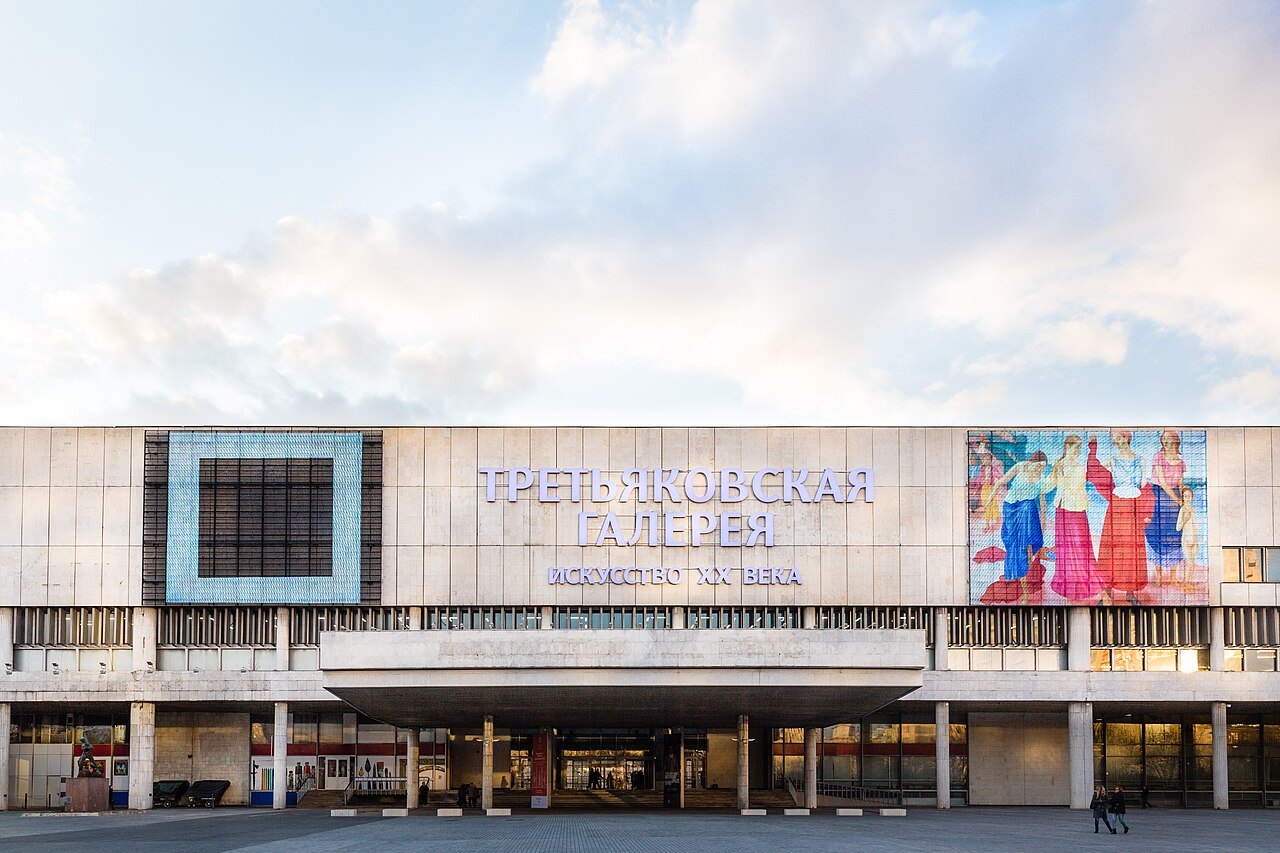

Malevich’s Black Square, Petrov-Vodkin’s Bathing of a Red Horse, work by Kandinsky, Chagall, Goncharova and Larionov, the model of Tatlin’s Tower. Next door: the Muzeon park of dismantled Soviet monuments.
Getting there — step-free. Oktyabrskaya and Park Kultury have no lifts. There is convenient parking at the door and low-floor buses along Krymsky Val. Moscow metro stations almost never have lifts to the platform, except on the Big Circle line and the MCC. A wheelchair user is better served by the surface buses, which are low-floor across the centre.
The Pushkin State Museum of Fine Arts
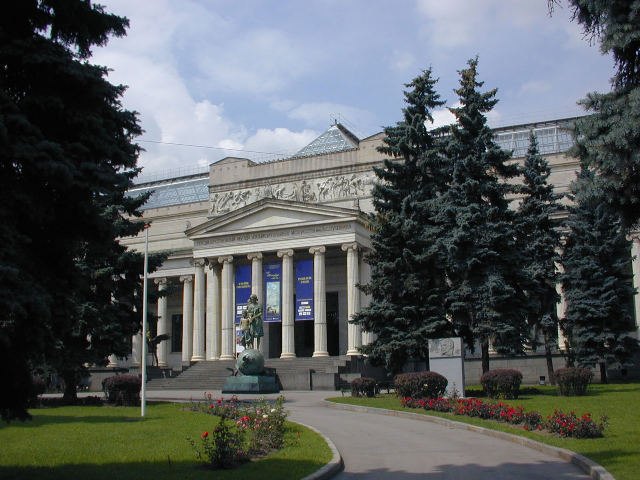

The teaching collection of plaster casts after antique and Renaissance sculpture — Tsvetaev’s idea, unmatched for completeness; the Fayum portraits; objects from Priam’s Treasure found by Schliemann at Troy; the Egyptian collection. The French 19th–20th century is in the Gallery at Volkhonka 14, on a separate ticket.
Getting there — partly. Kropotkinskaya has no lift. The nearest drop-off is on Volkhonka. Moscow metro stations almost never have lifts to the platform, except on the Big Circle line and the MCC. A wheelchair user is better served by the surface buses, which are low-floor across the centre.
The State Tretyakov Gallery
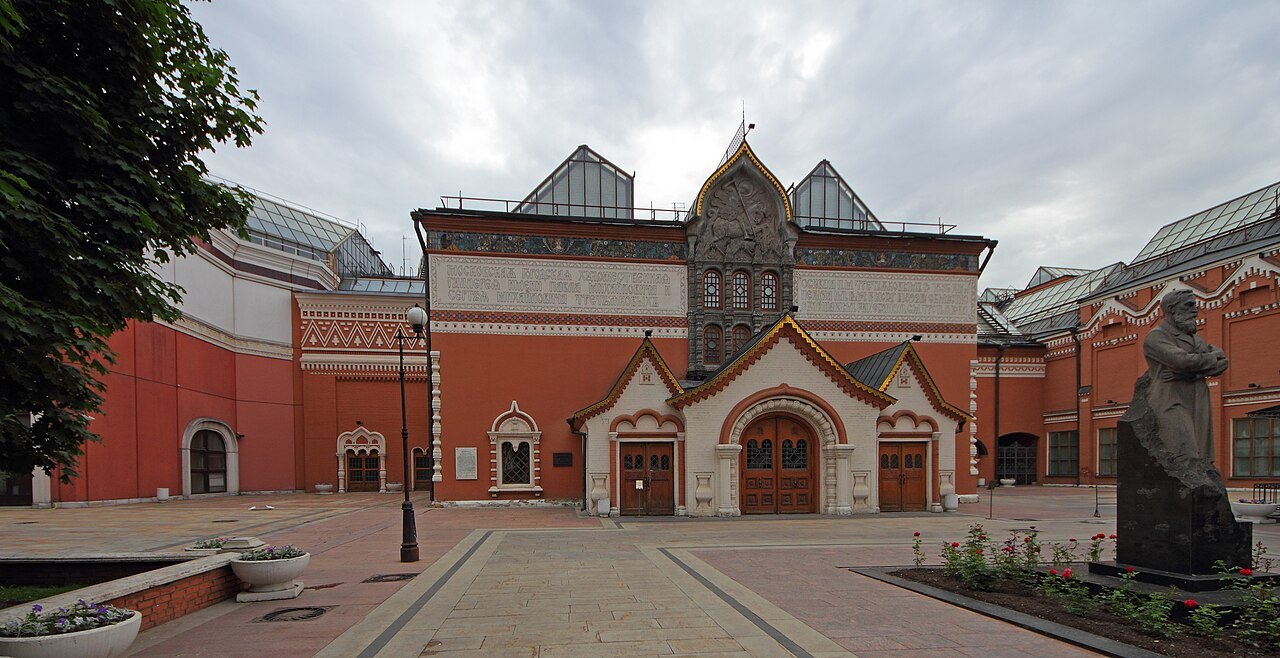

Ivanov’s The Appearance of Christ Before the People in its own hall; Surikov’s Boyarynya Morozova and Morning of the Streltsy Execution; Repin’s Ivan the Terrible and His Son; Serov’s Girl with Peaches; Vasnetsov’s Bogatyrs; the icon halls. Rublev’s Trinity is no longer here: it was handed to the Church in 2023.
Getting there — partly. Tretyakovskaya has no lift. A bus to the “Tretyakov Gallery” stop or a taxi to Lavrushinsky is easier. Moscow metro stations almost never have lifts to the platform, except on the Big Circle line and the MCC. A wheelchair user is better served by the surface buses, which are low-floor across the centre.
Mikhail Abramov Museum of the Russian Icon
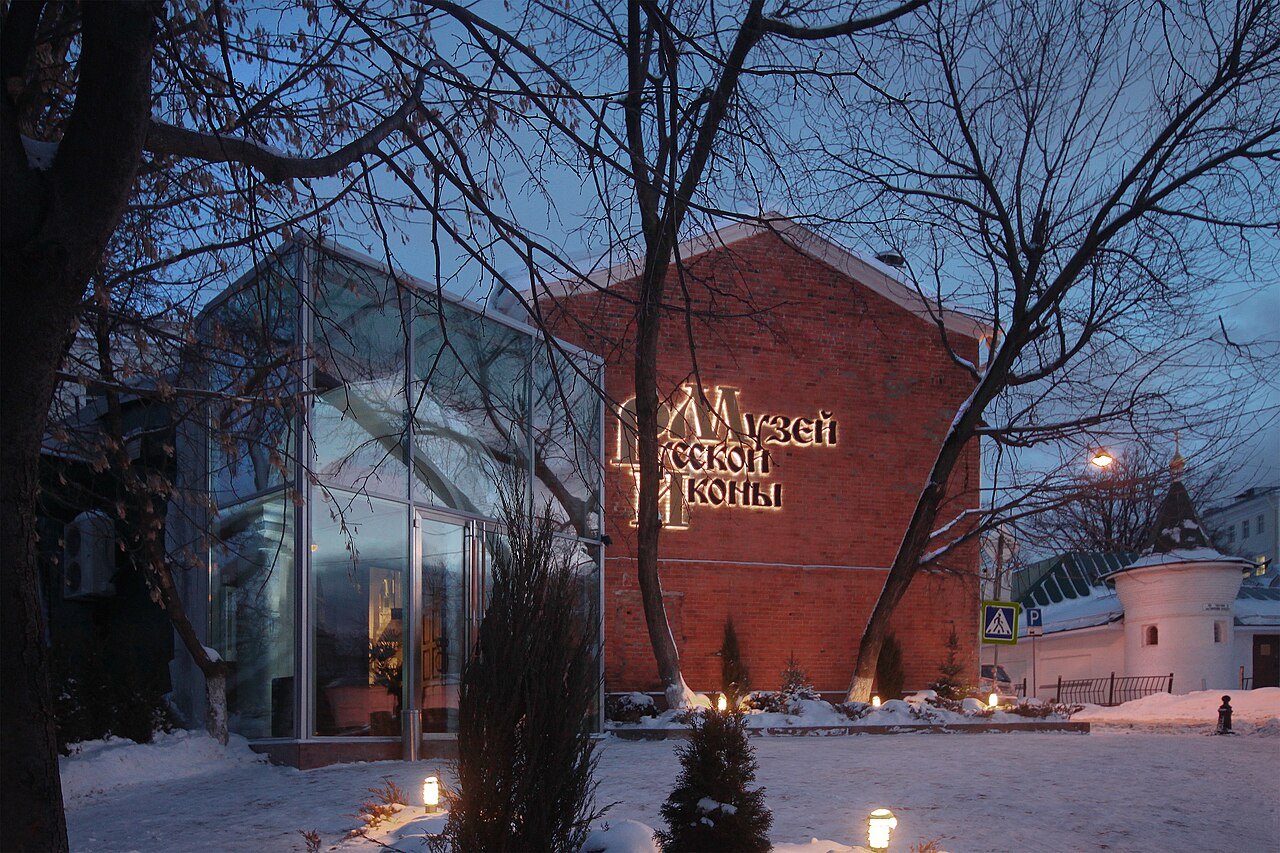

The Russian icon of the 14th to 20th century, from Novgorod panels to Old Believer painting; Ethiopian Christian art, the only such collection in Russia; a reconstructed iconostasis and post-Byzantine Greek icons.
Getting there — step-free. Taganskaya has no lift. There is a parking bay on Goncharnaya. Moscow metro stations almost never have lifts to the platform, except on the Big Circle line and the MCC. A wheelchair user is better served by the surface buses, which are low-floor across the centre.
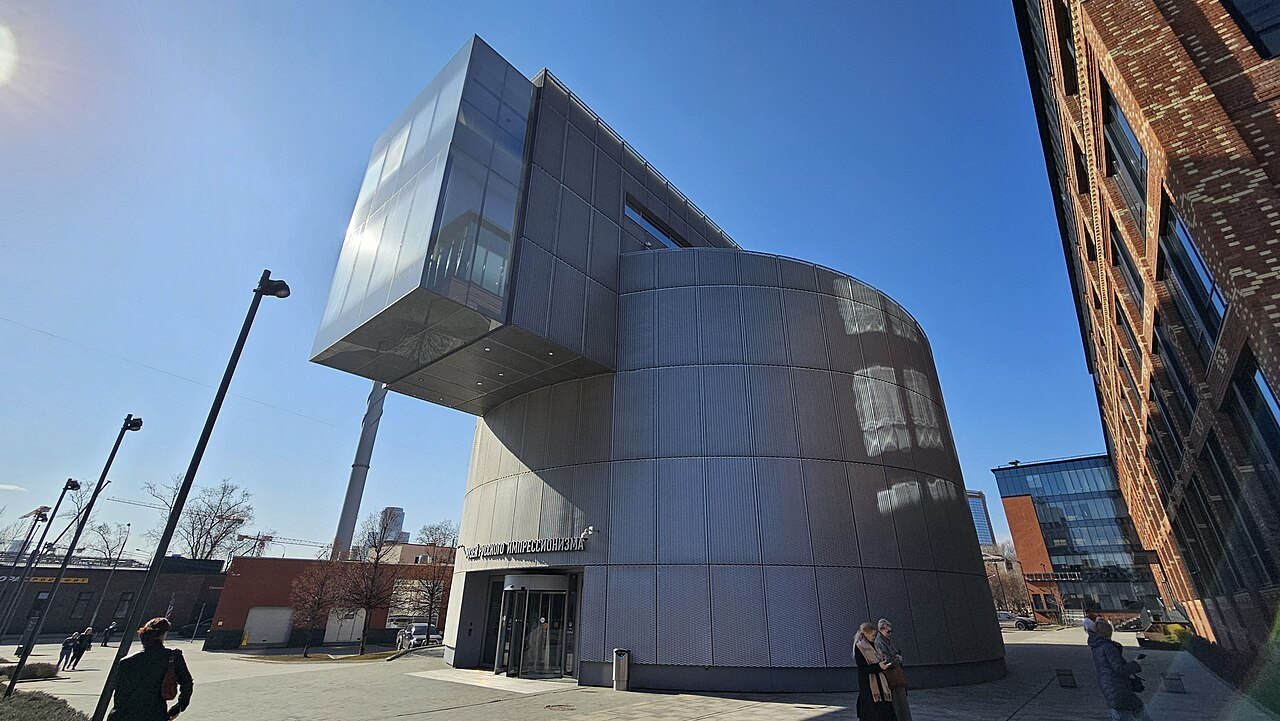
Museum of Russian Impressionism
.jpg)
Konstantin Korovin, Valentin Serov, Igor Grabar, Nikolai Bogdanov-Belsky. The building is a converted cylindrical flour store of the Bolshevik factory — a rare case of industry turned into a museum.
Getting there — step-free. Belorusskaya has no lift; the former factory has a level approach and parking. Moscow metro stations almost never have lifts to the platform, except on the Big Circle line and the MCC. A wheelchair user is better served by the surface buses, which are low-floor across the centre.
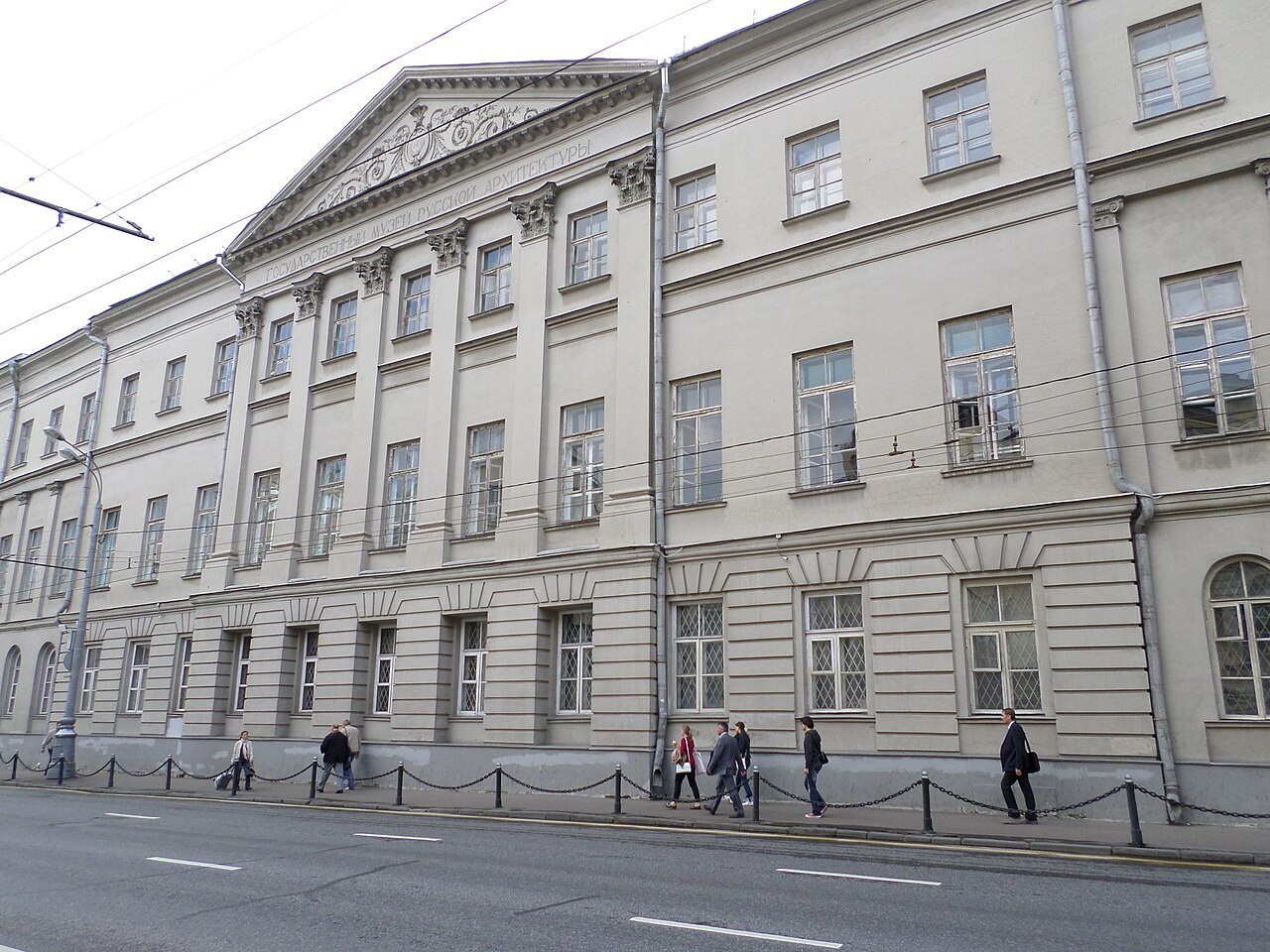
Shchusev State Museum of Architecture
.JPG)
The enfilade of the Talyzin house with its exhibitions; the Apothecary Office, 17th-century chambers where fragments of demolished Moscow buildings are shown; models of unbuilt projects, including material on the Palace of the Soviets.
Getting there — partly. Biblioteka imeni Lenina has no lift. Moscow metro stations almost never have lifts to the platform, except on the Big Circle line and the MCC. A wheelchair user is better served by the surface buses, which are low-floor across the centre.
The State Museum of Oriental Art
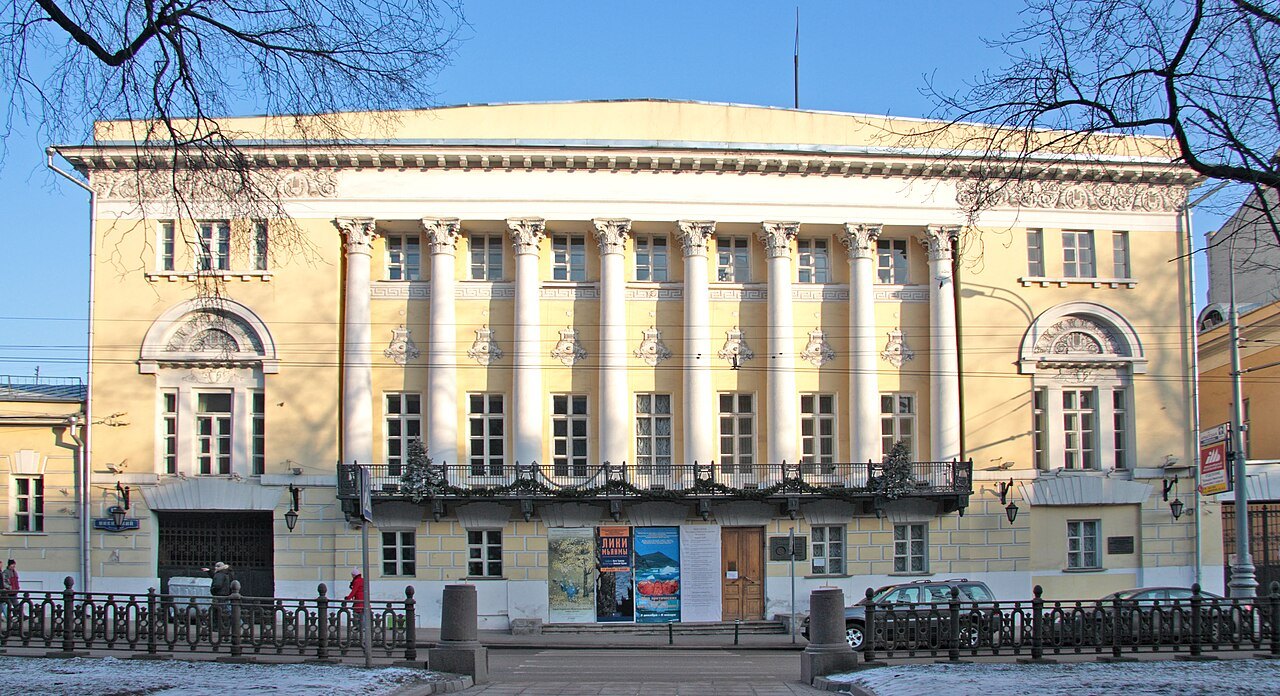

Central Asian and Caucasian carpets and metalwork transferred from the State Museum Fund; Iranian Qajar painting and tilework; Chinese bronze and porcelain, Japanese prints; a Korean section rare for Russia; Buddhist sculpture of Buryatia and Mongolia.
Getting there — not checked. Arbatskaya and Pushkinskaya have no lifts. Surface transport along Nikitsky Boulevard. Moscow metro stations almost never have lifts to the platform, except on the Big Circle line and the MCC. A wheelchair user is better served by the surface buses, which are low-floor across the centre.
Tretyakov Gallery. Kadashevskaya Embankment wing
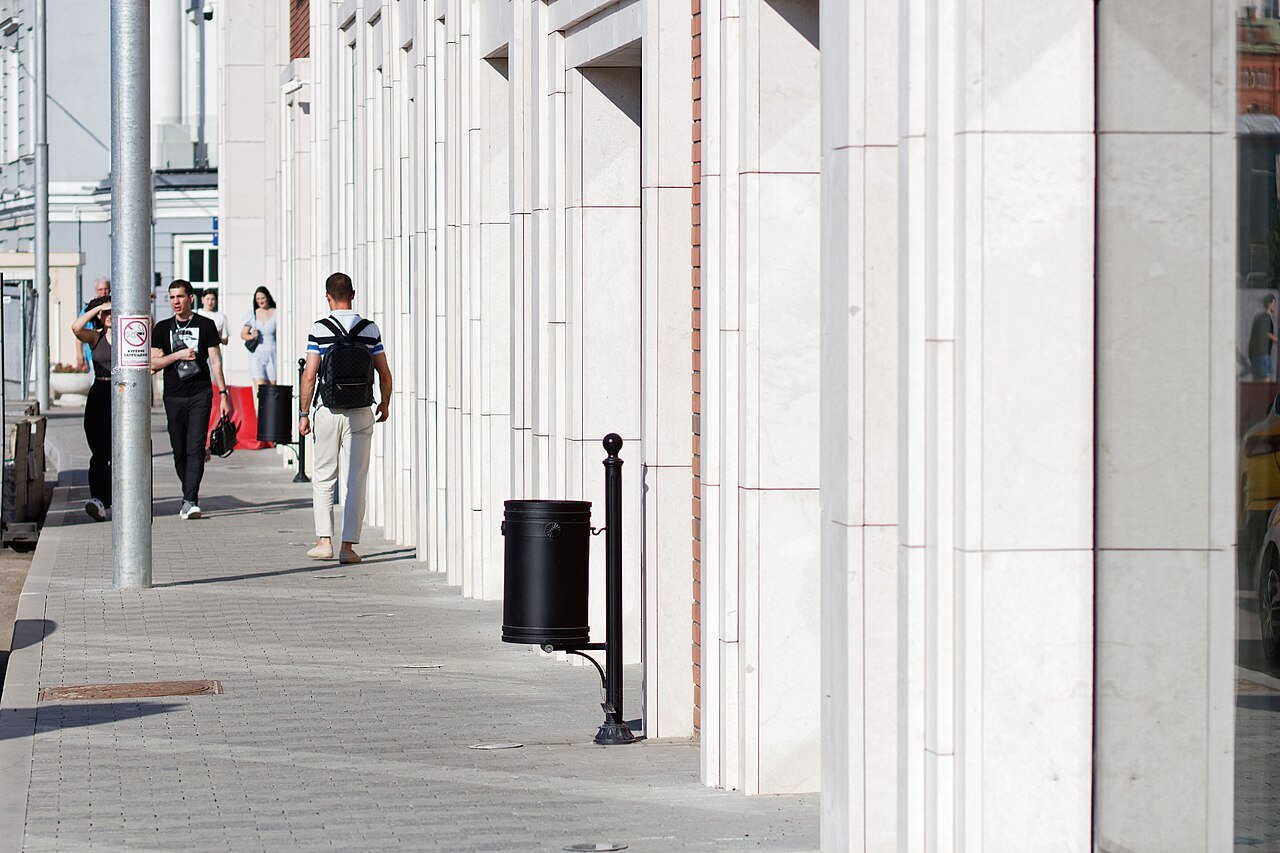

There is no permanent collection — this is an exhibition wing. See the atrium, open without a ticket, and the façades: they carry reproductions of 34 works by Russian artists.
Getting there — step-free. No lift at Tretyakovskaya, but the approach from the embankment is level and there is a drop-off point. Moscow metro stations almost never have lifts to the platform, except on the Big Circle line and the MCC. A wheelchair user is better served by the surface buses, which are low-floor across the centre.
All-Russian Museum of Decorative Art
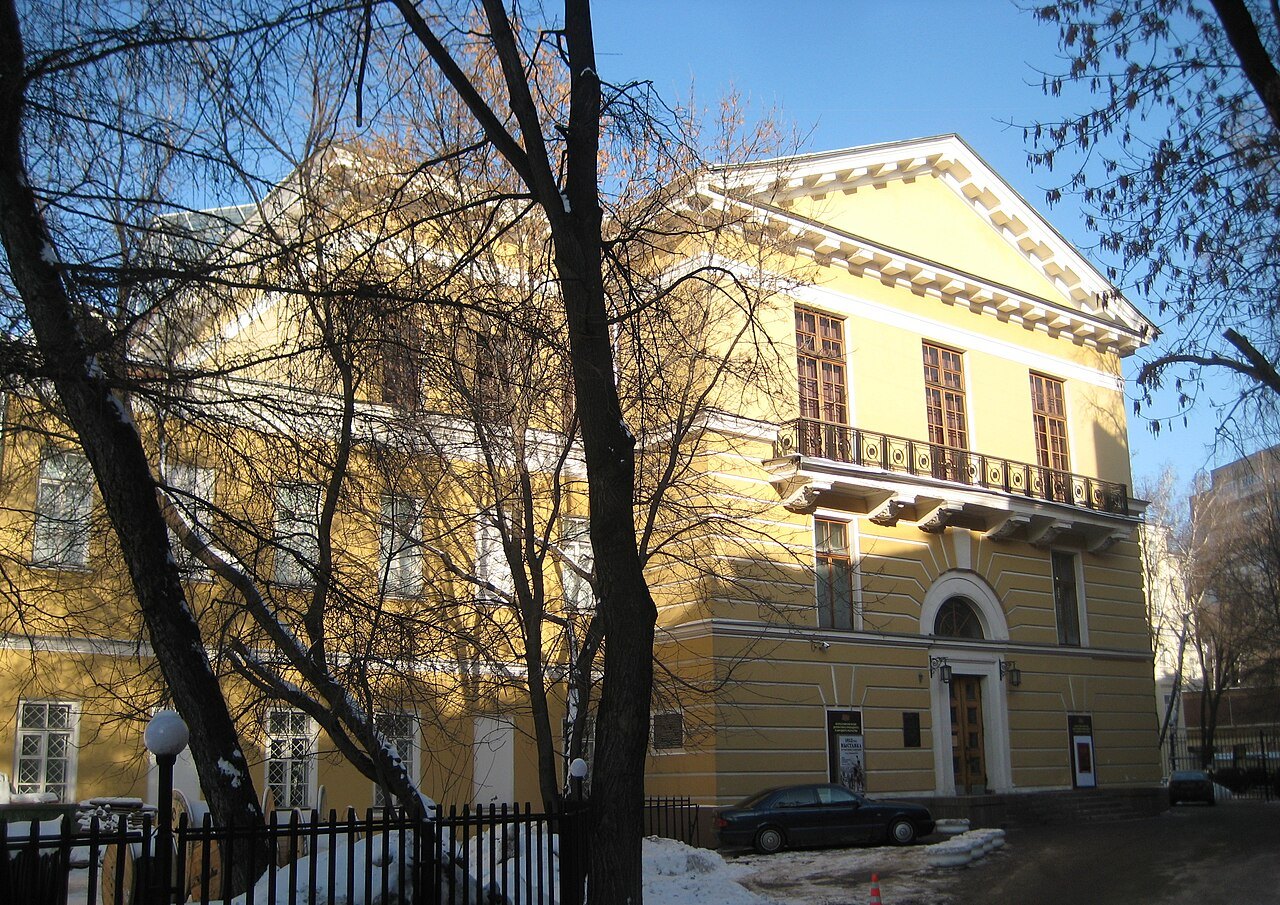

Lacquer miniature — Palekh, Fedoskino, Mstyora, Kholuy; Soviet propaganda porcelain; toys of the peoples of the world; embroidery and samovars.
Getting there — partly. Tsvetnoy Bulvar has no lift. Moscow metro stations almost never have lifts to the platform, except on the Big Circle line and the MCC. A wheelchair user is better served by the surface buses, which are low-floor across the centre.
The Manege Central Exhibition Hall
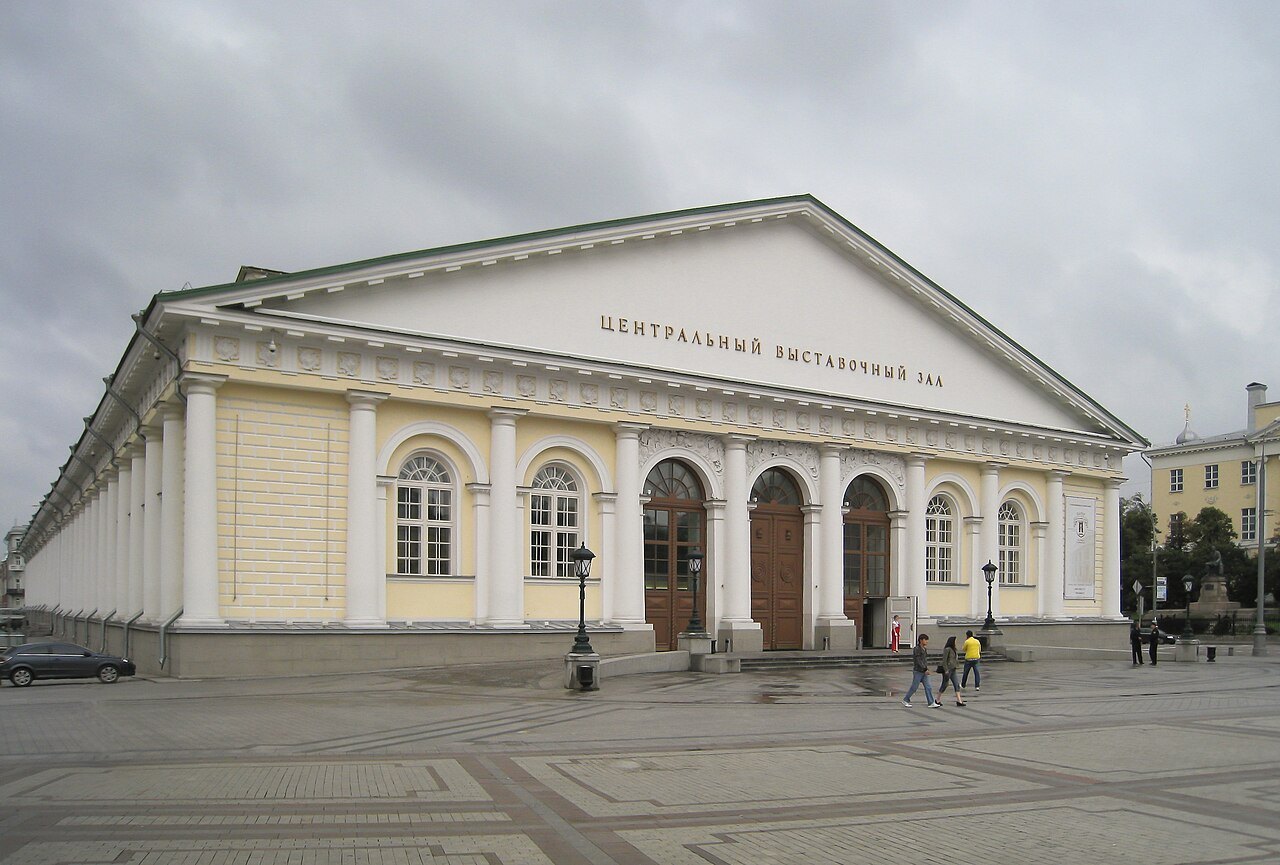

The building itself: a column-free hall spanned by timber trusses of almost 45 metres, calculated by the engineer Agustín de Betancourt — a rare monument of engineering.
Getting there — partly. Neither Okhotny Ryad nor Biblioteka imeni Lenina has a lift. Moscow metro stations almost never have lifts to the platform, except on the Big Circle line and the MCC. A wheelchair user is better served by the surface buses, which are low-floor across the centre.
We give the rating ourselves and answer for it: it is about the value of the collection, not the size of the building, the visitor numbers or the fame of the name.
- world-class
- In the same rank as the world's leading museums.
- outstanding
- A strong collection: worth setting aside a day for.
- significant
- There are things here worth seeing.
- for enthusiasts
- Of interest to those already drawn to the subject.
- niche
- Valuable to a narrow circle, without wider recognition.
- underratedThe collection is stronger than its reputation: fewer people know it than it deserves
- The collection is stronger than its reputation: fewer people know it than it deserves
Checked on 15 August 2026 — against museum websites and open sources. Every entry carries its own date of checking and what it was checked against. A price we could not confirm we say so, rather than leaving the old one.
Time needed is for the essentials, along our minimum route, without the café, the shop or the cloakroom queue. Going through the whole museum almost always takes longer.
The photographs come from Wikimedia Commons under free licences; the author and the licence are given under each one.
18 May is International Museum Day (since 1977), and the night of 17–18 May is Museum Night. On those days museums keep different hours and are often free.
We answer for every figure and date on these pages. If a museum has changed its hours or its prices, if a link has died, or if you think a museum is missing from the list — write to us. We will correct it and set a new date of checking.