Moscow museums
Not every museum in the city, but those that can open new worlds, point to genuine masterpieces, sharpen the mind and move the soul. Every entry carries our own rating of the collection, what matters most here, a minimum route to the essentials, when to come to avoid the crowds and what it costs. Every entry is dated with its last check.
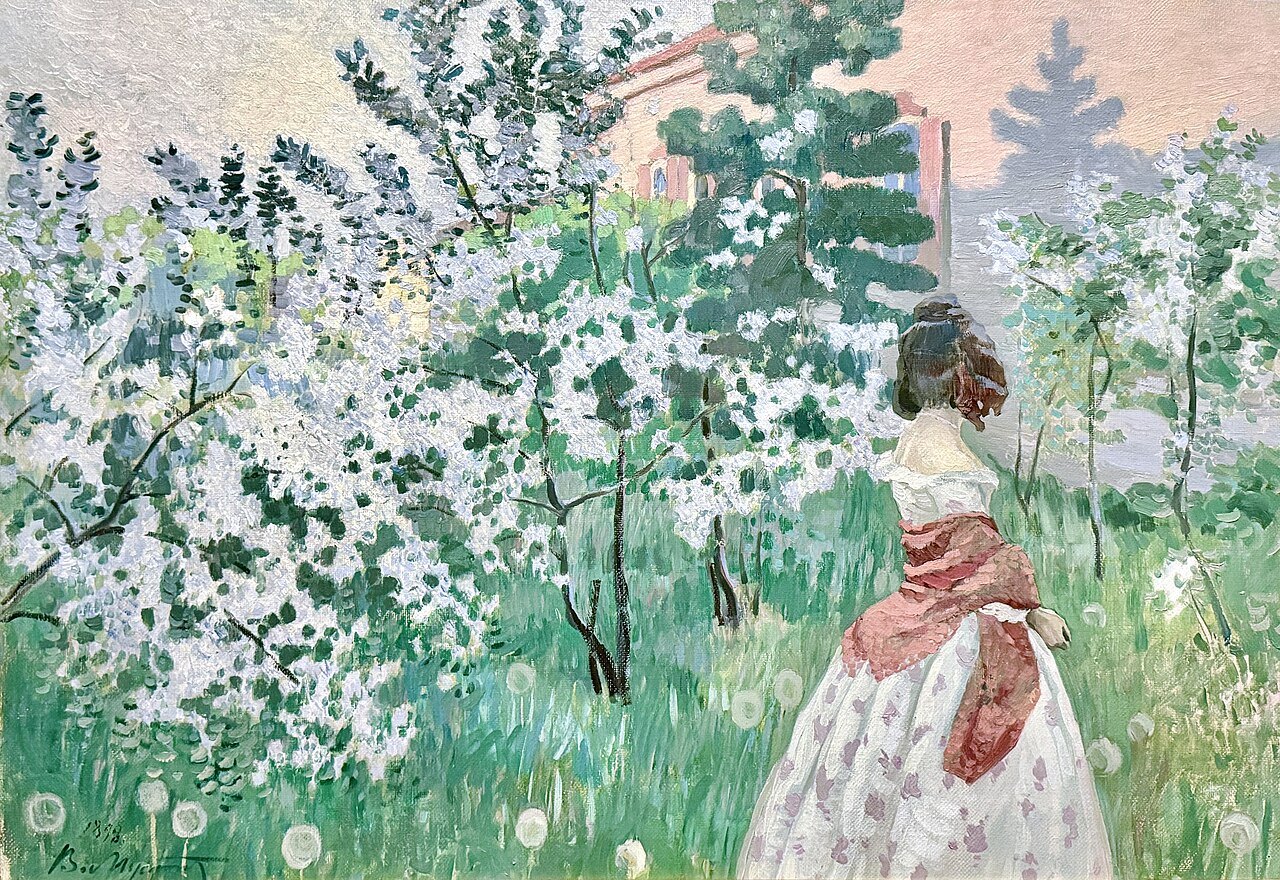

Victor Borisov-Musatov. The Harmony of the Image
Over 140 works from twenty collections: The Pool, The Emerald Necklace and studies almost never shown. Russian Symbolism is one of the summits at which art lifts a person beyond himself; a retrospective this full comes once in a generation.
Work by the sculptor who carved quebracho and algarrobo: in his hands wood holds shapes impossible in marble.
Over seven hundred objects: sculpture and painting of Russian Buddhism, almost none of it shown before. More than a hundred sculptures were conserved for the opening.
More than 150 sheets that almost never leave the store: pastel sheds under light and movement and is rarely shown. Halls 49–54.
The first large exhibition of the new Kadashevskaya wing: the flower in Russian art from the icon to the 20th century.
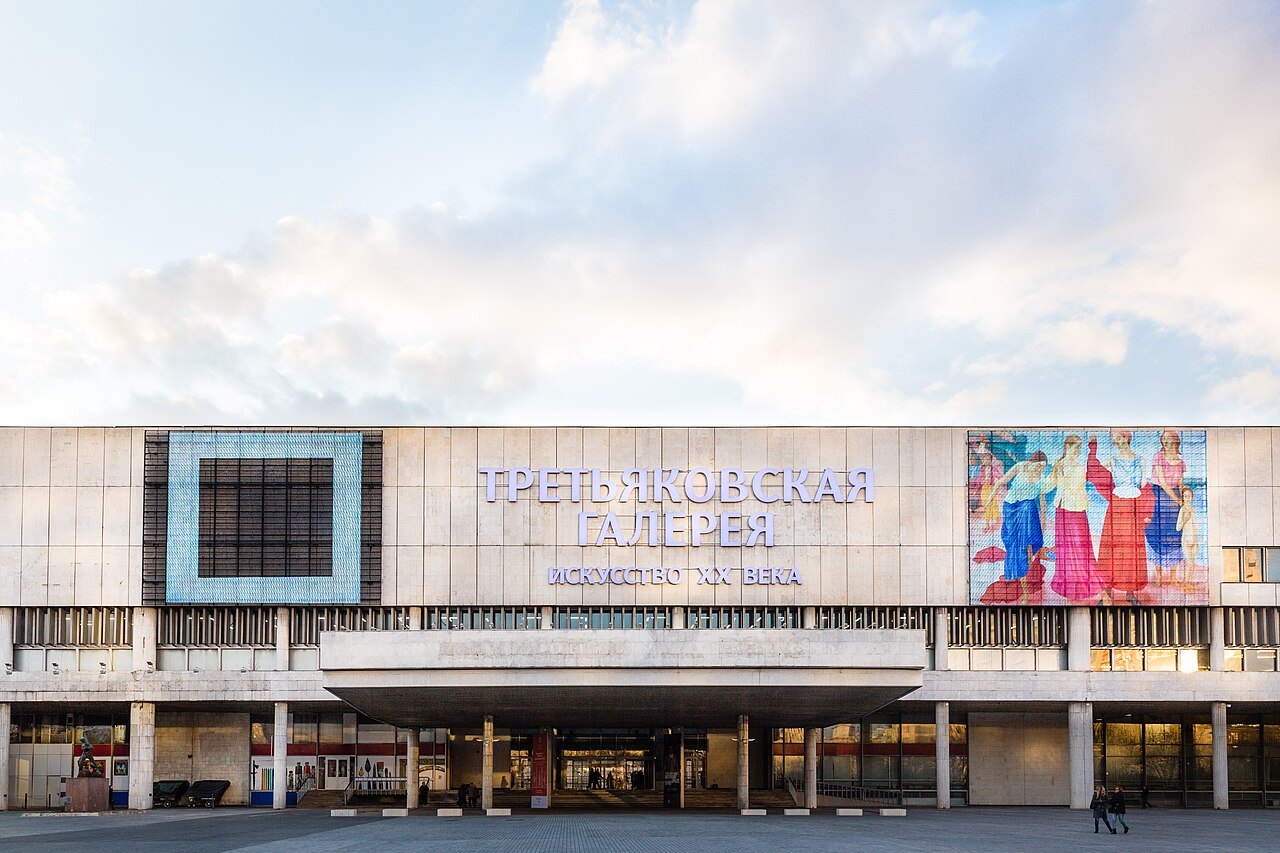
The New Tretyakov

| Mon | closed |
| Tue, Wed, Sun | 10:00–18:00 |
| Thu–Sat | 10:00–21:00 |
Malevich’s Black Square, Petrov-Vodkin’s Bathing of a Red Horse, work by Kandinsky, Chagall, Goncharova and Larionov, the model of Tatlin’s Tower. Next door: the Muzeon park of dismantled Soviet monuments.
Start with the Black Square and the avant-garde hall — Kandinsky, Goncharova, Larionov, Tatlin’s Tower. Then Bathing of a Red Horse. Leave time for the temporary show: the gallery’s biggest projects are here.
Reference
The Tretyakov Gallery building on Krymsky Val: the permanent display Art of the 20th Century and the gallery’s main temporary shows. Officially named the New Tretyakov since 2018.
The building. Built 1979–1983 by Y. Sheverdyaev and N. Sukoyan, shared with the Central House of Artists.
Good to know. A separate ticket from Lavrushinsky Lane.
Work by the sculptor who carved quebracho and algarrobo: in his hands wood holds shapes impossible in marble.
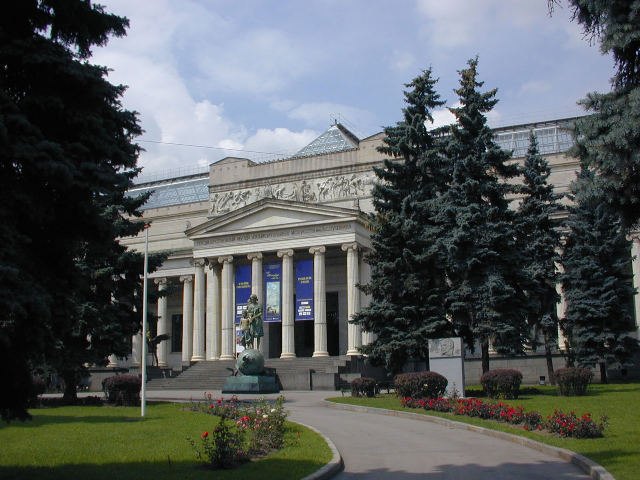
The Pushkin State Museum of Fine Arts

| Mon | closed |
| Tue, Wed, Sun | 10:00–20:00 |
| Thu, Sat | 10:00–21:00 |
| Fri | 11:00–21:00 |
The teaching collection of plaster casts after antique and Renaissance sculpture — Tsvetaev’s idea, unmatched for completeness; the Fayum portraits; objects from Priam’s Treasure found by Schliemann at Troy; the Egyptian collection. The French 19th–20th century is in the Gallery at Volkhonka 14, on a separate ticket.
The Italian Court and the casts — the reason the museum was built. Then the Fayum portraits, the Egyptian hall and Priam’s Treasure.
Reference
The second largest collection of foreign art in Russia. Conceived by Ivan Tsvetaev as a teaching Museum of Fine Arts for Moscow University and opened on 31 May 1912.
The building. A building in the form of an antique temple on a high podium, by Roman Klein, 1898–1912.
Good to know. The museum is building a “museum town”; part of the buildings on Volkhonka are closed for works.
Over seven hundred objects: sculpture and painting of Russian Buddhism, almost none of it shown before. More than a hundred sculptures were conserved for the opening.
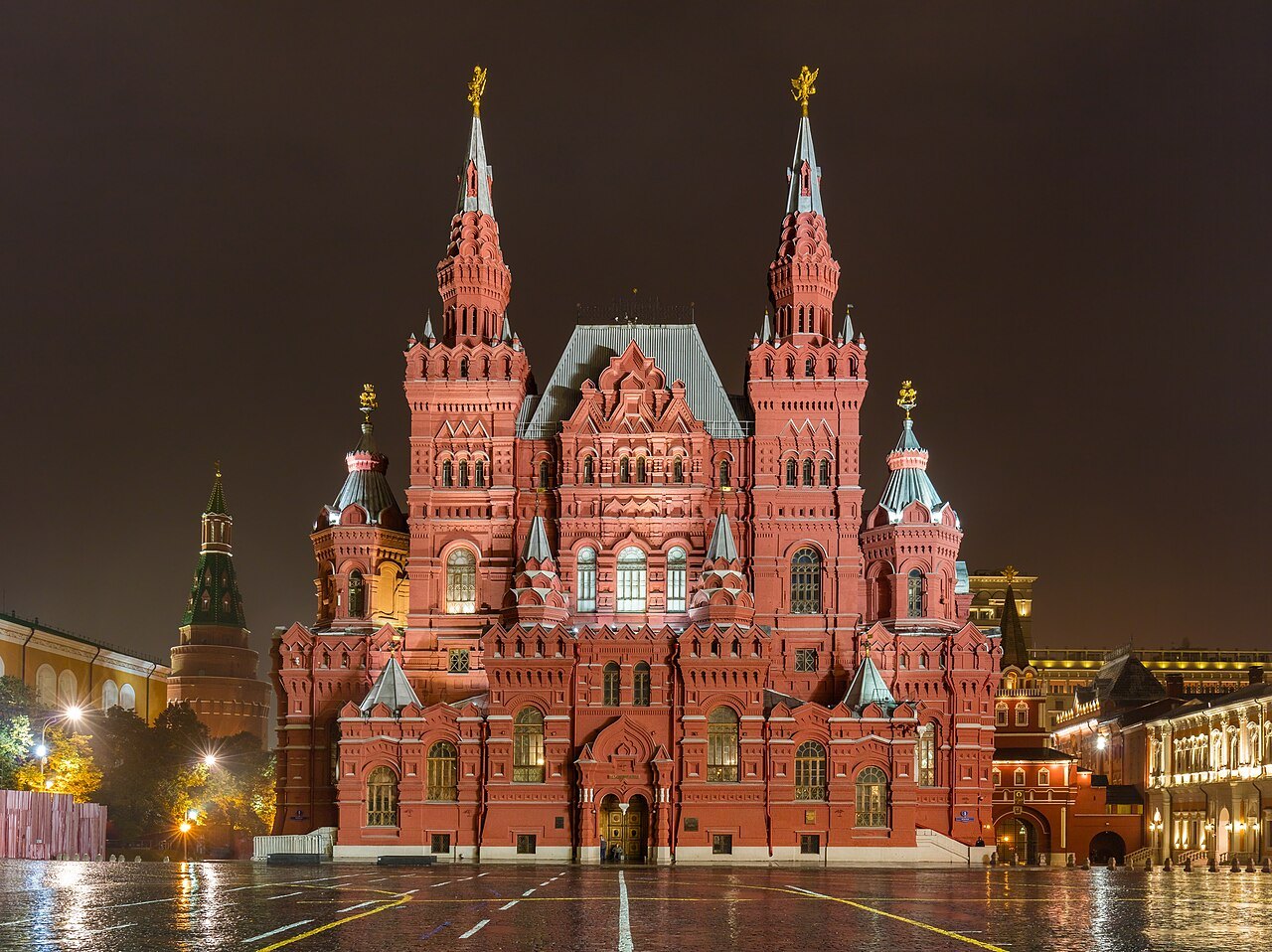
The State Historical Museum

| Mon–Wed, Sun | 10:00–19:00 |
| Thu–Sat | 10:00–21:00 |
A dugout boat some 3,500 years old; the Mstislav Gospel of the early 12th century; the helmet of Prince Yaroslav Vsevolodovich; a Blaeu globe; personal belongings of Peter the Great. Look up: the halls themselves are painted after Old Russian models and count as an exhibit.
Go round from hall 1: the dugout boat, then the Mstislav Gospel and the helmet of Yaroslav Vsevolodovich, on to the Blaeu globe and Peter the Great.
Reference
Russia’s main national museum: about 5 million objects and 15 million sheets of documents, from the Stone Age to the 20th century across forty halls.
The building. Built 1875–1883 by Vladimir Sherwood and the engineer Anatoly Semyonov in the Russian Revival style.
Good to know. St Basil’s Cathedral, the Romanov Chambers and the Museum of the Patriotic War of 1812 belong to the museum; their tickets are separate.
Money in The Master and Margarita: ancient Judaea and Moscow of the 1920s–30s, set object against object. For Bulgakov’s 135th anniversary.
The State Tretyakov Gallery

| Mon | closed |
| Tue, Wed, Sun | 10:00–18:00 |
| Thu–Sat | 10:00–21:00 |
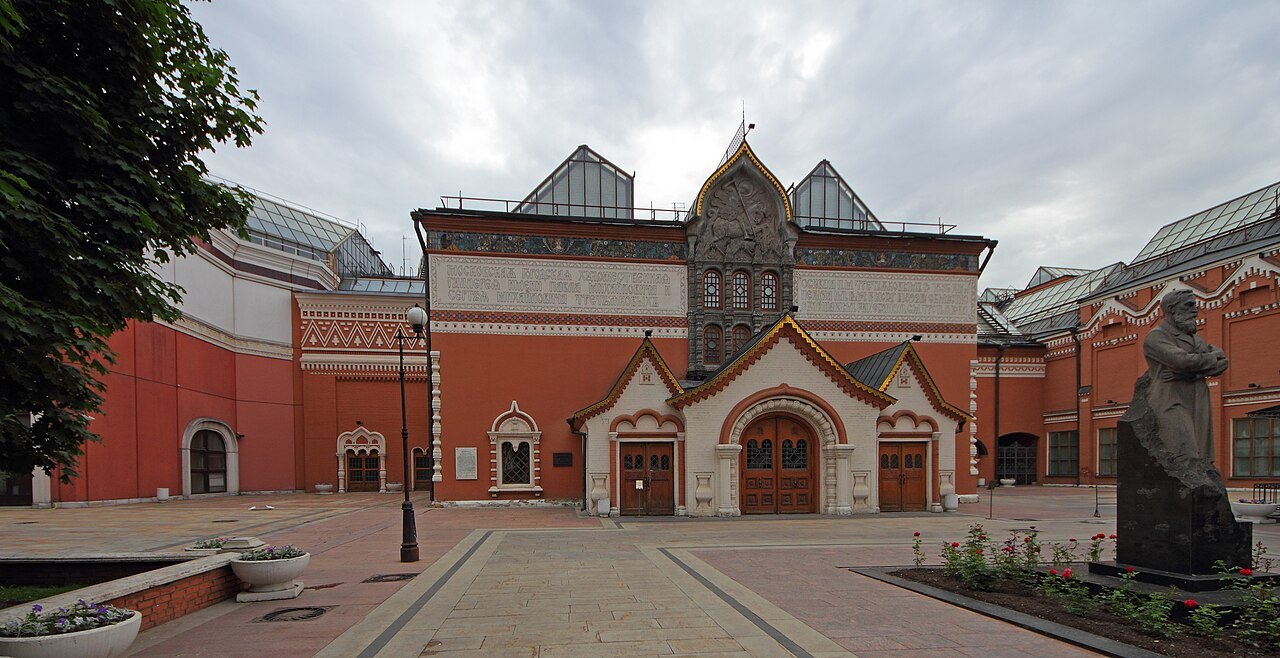
Ivanov’s The Appearance of Christ Before the People in its own hall; Surikov’s Boyarynya Morozova and Morning of the Streltsy Execution; Repin’s Ivan the Terrible and His Son; Serov’s Girl with Peaches; Vasnetsov’s Bogatyrs; the icon halls. Rublev’s Trinity is no longer here: it was handed to the Church in 2023.
Hall 10 — Ivanov’s Appearance of Christ with its studies. Then halls 25–26: Boyarynya Morozova and Morning of the Streltsy Execution by Surikov, on to Repin’s Ivan the Terrible and Serov’s Girl with Peaches. Finish with the icons, halls 56–62.
Reference
The largest collection of Russian art of the 11th to early 20th century. It began with Pavel Tretyakov, who bought his first paintings in 1856 and gave the collection to Moscow in 1892.
The building. Bought by the Tretyakov family in 1851; extensions of 1873–1904. The fairy-tale façade was drawn by Viktor Vasnetsov in 1902–1904.
Good to know. The gallery has three buildings: the historic one in Lavrushinsky, the New Tretyakov on Krymsky Val and the Kadashevskaya Embankment wing opened in 2024. Each needs its own ticket; a combined one exists.
More than 150 sheets that almost never leave the store: pastel sheds under light and movement and is rarely shown. Halls 49–54.
Jewish Museum and Tolerance Center
| Mon–Thu, Sun | 12:00–22:00 |
| Fri | 10:00–15:00 |
| Sat | closed |
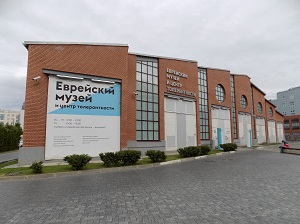
The building itself — the Bakhmetevsky garage of 1926–1927, one of Konstantin Melnikov’s principal works with steel structures by Vladimir Shukhov; the Café on Basseynaya, a reconstruction of shtetl life.
The permanent display runs as one route, with the Café on Basseynaya halfway. Look separately at the garage itself.
Reference
Opened in 2012 in the Bakhmetevsky bus garage. The permanent display tells the history of the Jewish people and of Russian Jewry as a sequence of interactive spaces.
The building. The Bakhmetevsky garage, 1926–1927, architect Konstantin Melnikov, structures by Vladimir Shukhov.
Mikhail Abramov Museum of the Russian Icon

| Mon, Tue, Sat, Sun | 11:00–19:00 |
| Wed | closed |
| Thu, Fri | 11:00–21:00 |
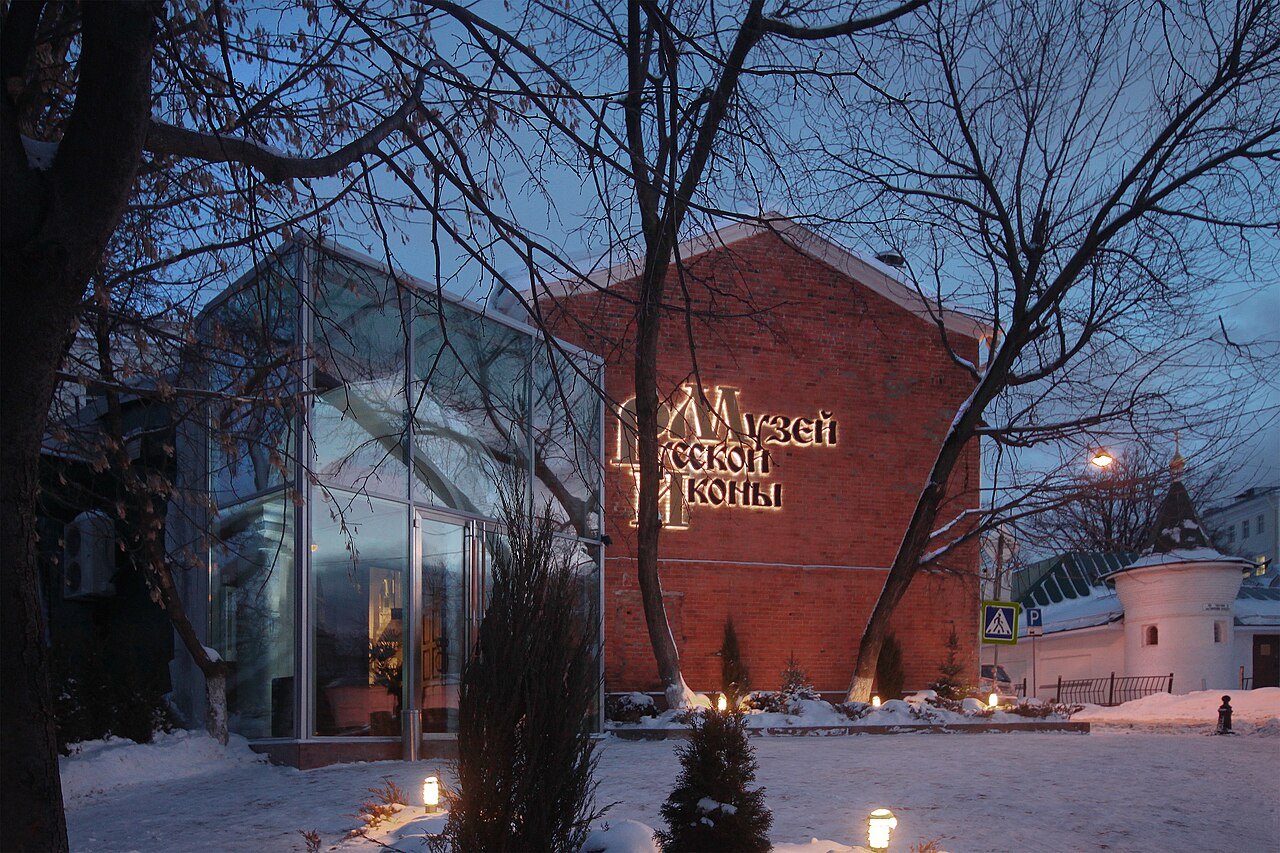
The Russian icon of the 14th to 20th century, from Novgorod panels to Old Believer painting; Ethiopian Christian art, the only such collection in Russia; a reconstructed iconostasis and post-Byzantine Greek icons.
Go up floor by floor: Greek and Ethiopian art, then the Russian icon by century. Do not miss the iconostasis and the Old Believer hall.
Reference
The largest private collection of Eastern Christian art in Russia: about five thousand items on four floors. Founded in 2006 by the entrepreneur Mikhail Abramov, who died in 2019; the museum works on and keeps entry free.
The building. A town house on the Taganka hill, converted for the museum.
Good to know. The only museum of this level in Moscow that you enter free and without a ticket.
Museum of Russian Impressionism
.jpg)
| Mon, Tue, Fri–Sun | 11:00–20:00 |
| Wed, Thu | 12:00–21:00 |
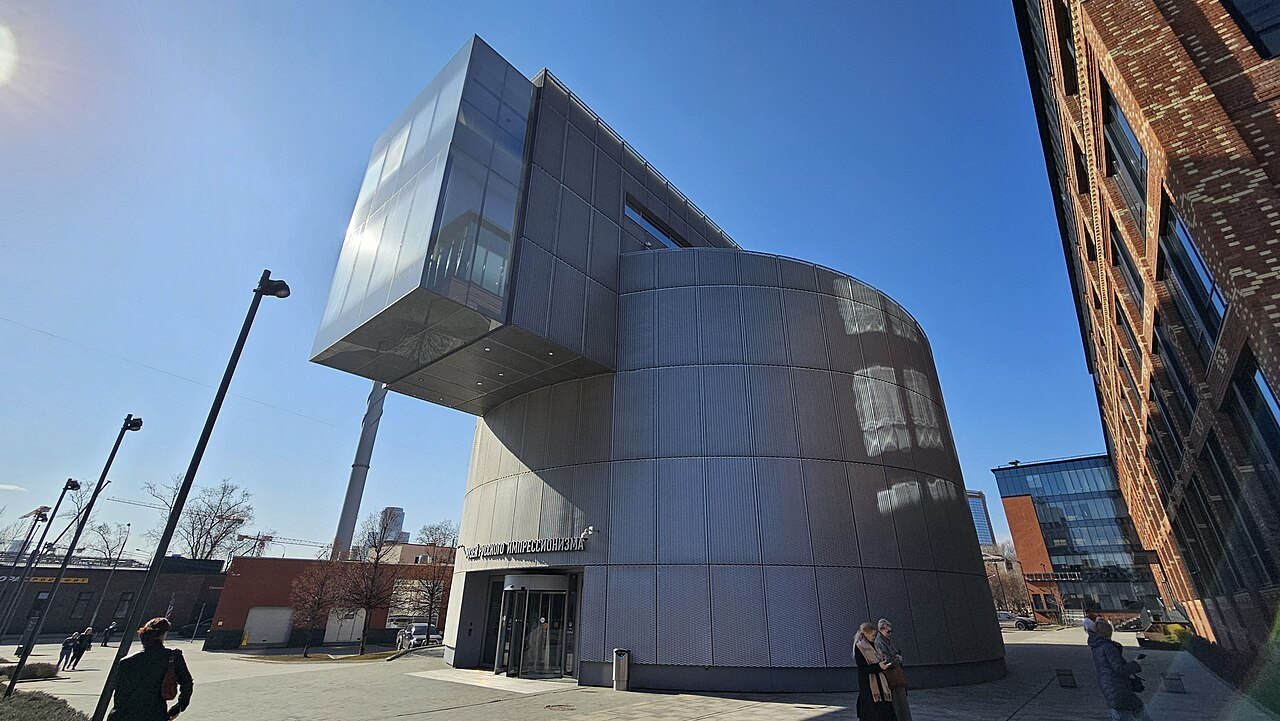
Konstantin Korovin, Valentin Serov, Igor Grabar, Nikolai Bogdanov-Belsky. The building is a converted cylindrical flour store of the Bolshevik factory — a rare case of industry turned into a museum.
The permanent display is small — Korovin, Serov, Grabar. The point is the temporary exhibitions; the building is worth the walk round on its own.
Reference
A private museum on the site of the former Bolshevik confectionery factory, opened in 2016 on the collection of Boris Mints.
The building. The flour store of the Bolshevik factory (early 20th century), converted by John McAslan + Partners.
Shchusev State Museum of Architecture
.JPG)
| Mon | closed |
| Tue, Thu | 13:00–21:00 |
| Wed, Fri–Sun | 11:00–20:00 |
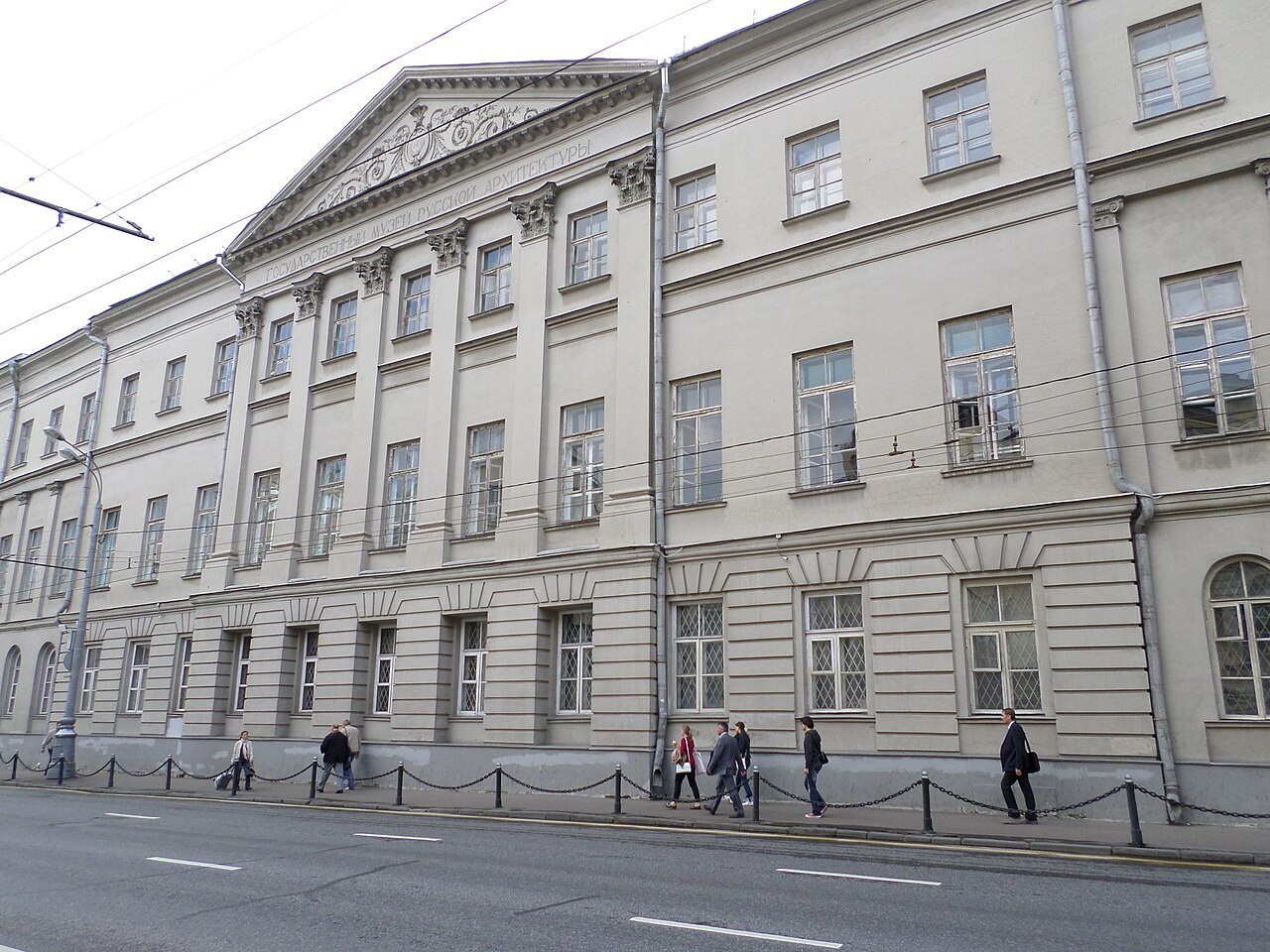
The enfilade of the Talyzin house with its exhibitions; the Apothecary Office, 17th-century chambers where fragments of demolished Moscow buildings are shown; models of unbuilt projects, including material on the Palace of the Soviets.
Walk the enfilade with the current exhibitions, then the Ruin wing and the Apothecary Office: fragments of demolished buildings, among them reliefs of the Cathedral of Christ the Saviour and details of the Sukharev Tower.
Reference
The only museum of architecture in Russia and one of the few in the world. Founded in 1934 and named since 1945 after Alexey Shchusev, who created it. About a million items: drawings, models, photographs and fragments of demolished buildings.
The building. The Talyzin estate of the late 18th century; next to it the 17th-century chambers of the Apothecary Office.
Good to know. There is no permanent display in the usual sense: the museum lives by exhibitions, and several run at once.
The State Museum of Oriental Art

| Mon | closed |
| Tue, Fri–Sun | 11:00–20:00 |
| Wed, Thu | 12:00–21:00 |
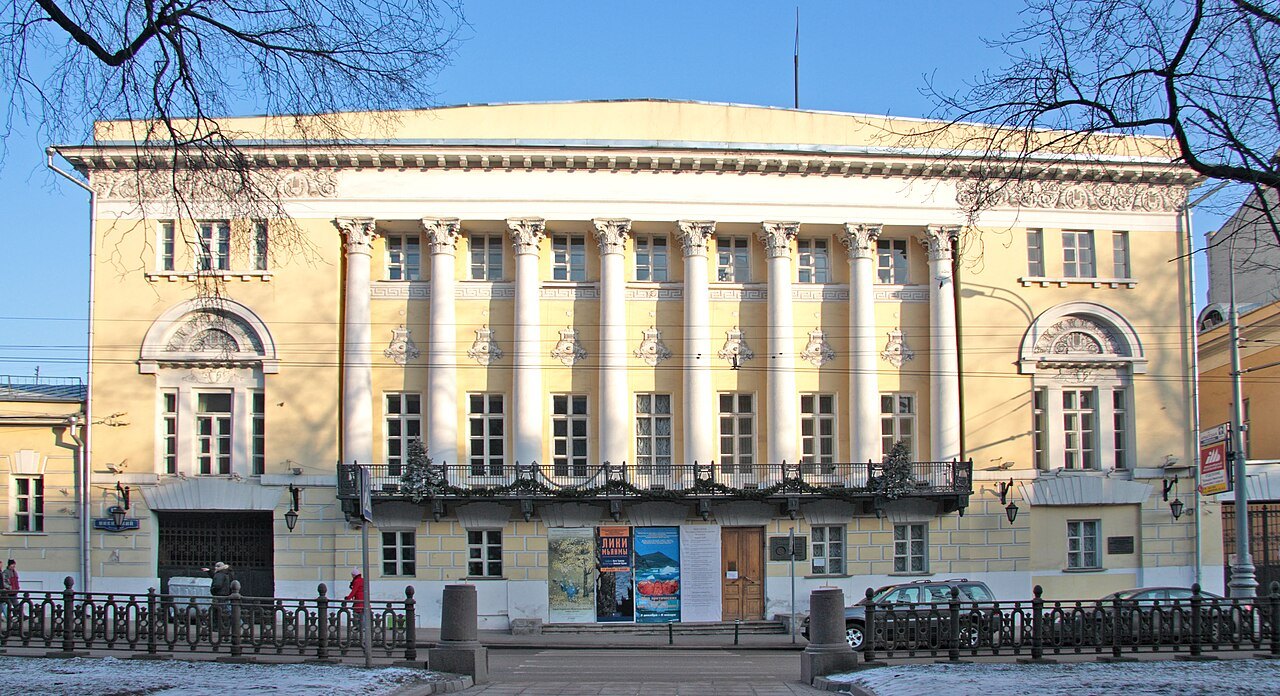
Central Asian and Caucasian carpets and metalwork transferred from the State Museum Fund; Iranian Qajar painting and tilework; Chinese bronze and porcelain, Japanese prints; a Korean section rare for Russia; Buddhist sculpture of Buryatia and Mongolia.
Two hours. 50 minutes — the Central Asian and Caucasian halls: carpets, metalwork, ceramics — the strongest part of the collection and the part London and Paris do not have. 40 minutes — Iran and the Near East: Qajar painting, tilework, miniatures. 30 minutes — China, Japan and Korea: bronze, porcelain, prints. Look at Gilardi’s Empire interiors as you go: the rooms were barely altered for the museum.
Reference
Founded on 30 October 1918. About 150,000 items: the Far and Near East, Central Asia, the Caucasus, Buryatia, Chukotka.
The building. The Lunin House, a model of Moscow Empire style, built by Domenico Gilardi in 1818–1823. The rooms were barely altered and still look little like galleries.
Good to know. The museum has a second site, Pavilion 13 at VDNKh, and a branch in Maykop. Several halls are given to the painting of Nicholas and Svyatoslav Roerich; in our view that is not what makes the trip worth it.
Iranian painting of the 18th and 19th century, recently acquired by the museum. A small show in the main building on Nikitsky Boulevard.
Tretyakov Gallery. Kadashevskaya Embankment wing

| Mon | closed |
| Tue, Wed, Sun | 10:00–18:00 |
| Thu–Sat | 10:00–21:00 |
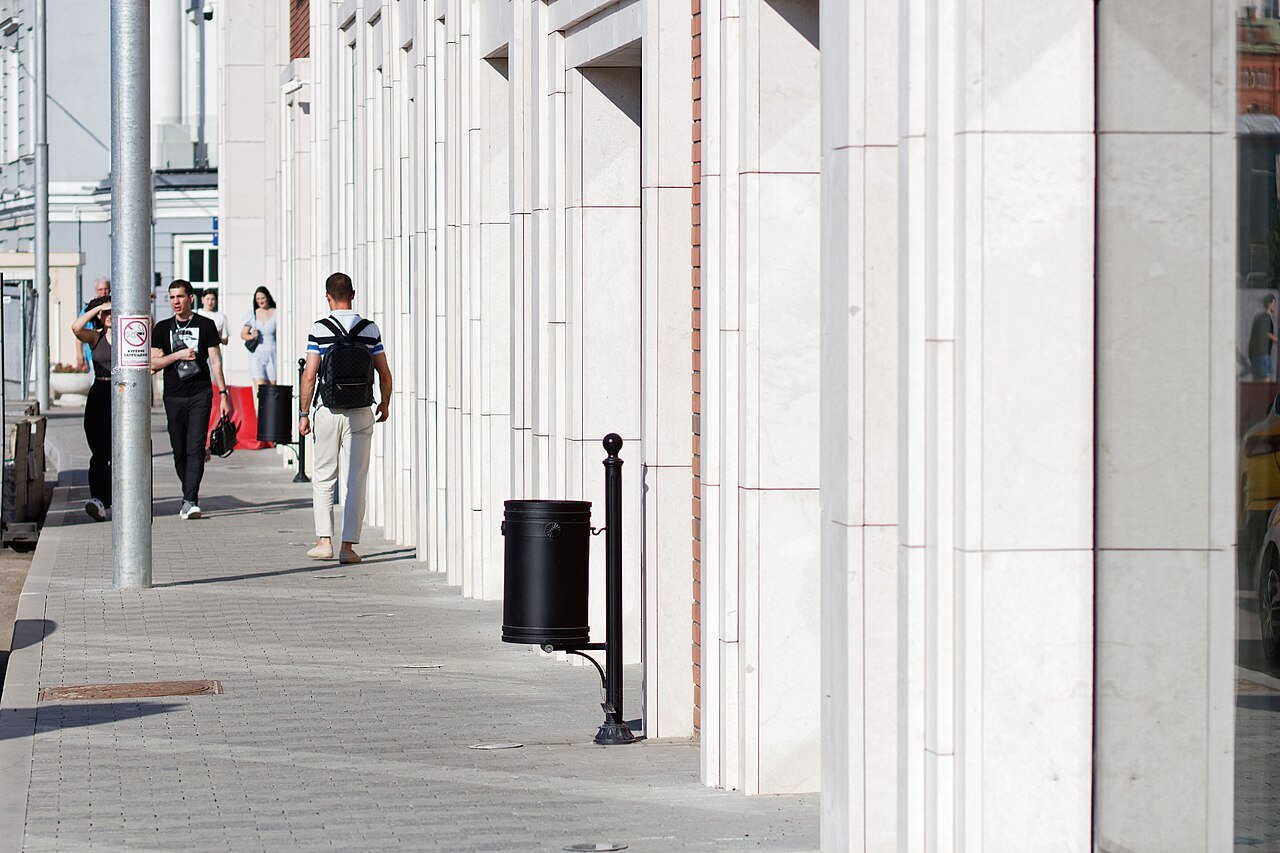
There is no permanent collection — this is an exhibition wing. See the atrium, open without a ticket, and the façades: they carry reproductions of 34 works by Russian artists.
The exhibition you came for, then the atrium and the view over Lavrushinsky from the upper level. Ten minutes on foot to the historic building.
Reference
The new Tretyakov Gallery building, opened in 2024: over 35,000 sq m of exhibition space, conservation studios for painting, graphics and sculpture, and a research photo archive. The gallery’s major premieres have moved here.
The building. Built in 2024 to a design by SPEECH; more than ten years in construction.
Good to know. The atrium, shop and box offices are open without a ticket — you may come simply to see the building.
The first large exhibition of the new Kadashevskaya wing: the flower in Russian art from the icon to the 20th century.
Over 140 works from twenty collections: The Pool, The Emerald Necklace and studies almost never shown. Russian Symbolism is one of the summits at which art lifts a person beyond himself; a retrospective this full comes once in a generation.
We do not remove them from the catalogue: a museum may reopen, and the history of a collection is knowledge too.
We give the rating ourselves and answer for it: it is about the value of the collection, not the size of the building, the visitor numbers or the fame of the name.
- world-class
- In the same rank as the world's leading museums.
- outstanding
- A strong collection: worth setting aside a day for.
- significant
- There are things here worth seeing.
- for enthusiasts
- Of interest to those already drawn to the subject.
- niche
- Valuable to a narrow circle, without wider recognition.
Checked on 15 August 2026 — against museum websites and open sources. Every entry carries its own date of checking and what it was checked against. A price we could not confirm we say so, rather than leaving the old one.
Time needed is for the essentials, along our minimum route, without the café, the shop or the cloakroom queue. Going through the whole museum almost always takes longer.
The photographs come from Wikimedia Commons under free licences; the author and the licence are given under each one.
18 May is International Museum Day (since 1977), and the night of 17–18 May is Museum Night. On those days museums keep different hours and are often free.
We answer for every figure and date on these pages. If a museum has changed its hours or its prices, if a link has died, or if you think a museum is missing from the list — write to us. We will correct it and set a new date of checking.