Moscow museums accessible by wheelchair
Museums you can get into in a wheelchair. We check and state the accessibility of the museum and of the way to it separately: a lift inside is no help if you cannot reach the door.
The New Tretyakov
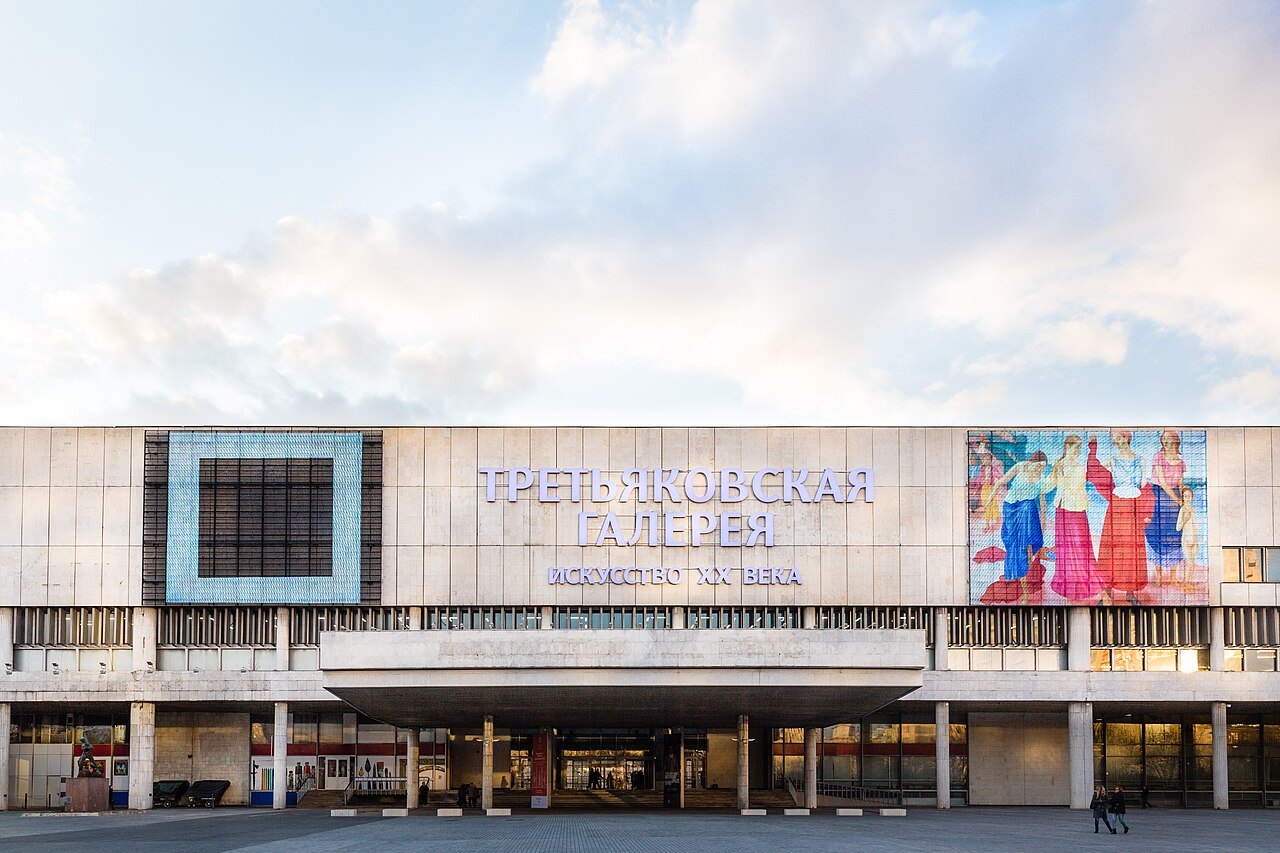

Malevich’s Black Square, Petrov-Vodkin’s Bathing of a Red Horse, work by Kandinsky, Chagall, Goncharova and Larionov, the model of Tatlin’s Tower. Next door: the Muzeon park of dismantled Soviet monuments.
Getting there — step-free. Oktyabrskaya and Park Kultury have no lifts. There is convenient parking at the door and low-floor buses along Krymsky Val. Moscow metro stations almost never have lifts to the platform, except on the Big Circle line and the MCC. A wheelchair user is better served by the surface buses, which are low-floor across the centre.
The State Tretyakov Gallery
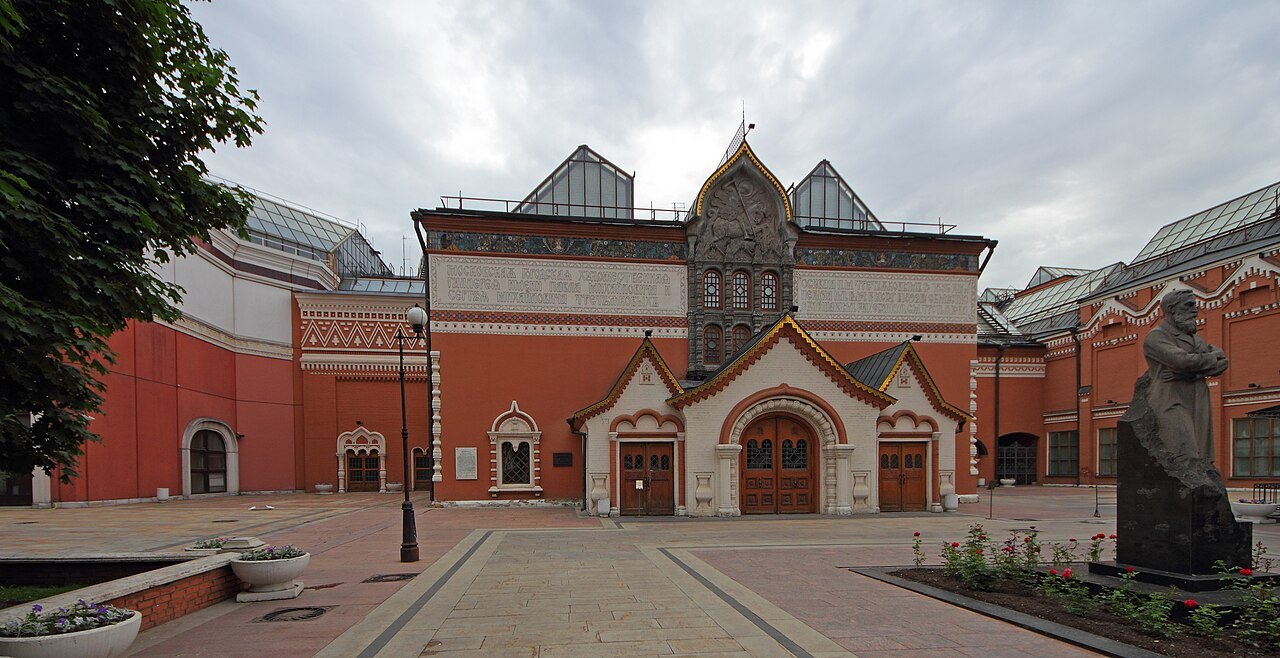

Ivanov’s The Appearance of Christ Before the People in its own hall; Surikov’s Boyarynya Morozova and Morning of the Streltsy Execution; Repin’s Ivan the Terrible and His Son; Serov’s Girl with Peaches; Vasnetsov’s Bogatyrs; the icon halls. Rublev’s Trinity is no longer here: it was handed to the Church in 2023.
Getting there — partly. Tretyakovskaya has no lift. A bus to the “Tretyakov Gallery” stop or a taxi to Lavrushinsky is easier. Moscow metro stations almost never have lifts to the platform, except on the Big Circle line and the MCC. A wheelchair user is better served by the surface buses, which are low-floor across the centre.
Jewish Museum and Tolerance Center
The building itself — the Bakhmetevsky garage of 1926–1927, one of Konstantin Melnikov’s principal works with steel structures by Vladimir Shukhov; the Café on Basseynaya, a reconstruction of shtetl life.
Getting there — step-free. Maryina Roshcha has no lift and Dostoyevskaya is a kilometre away. There is car parking and low-floor buses. Moscow metro stations almost never have lifts to the platform, except on the Big Circle line and the MCC. A wheelchair user is better served by the surface buses, which are low-floor across the centre.
Mikhail Abramov Museum of the Russian Icon
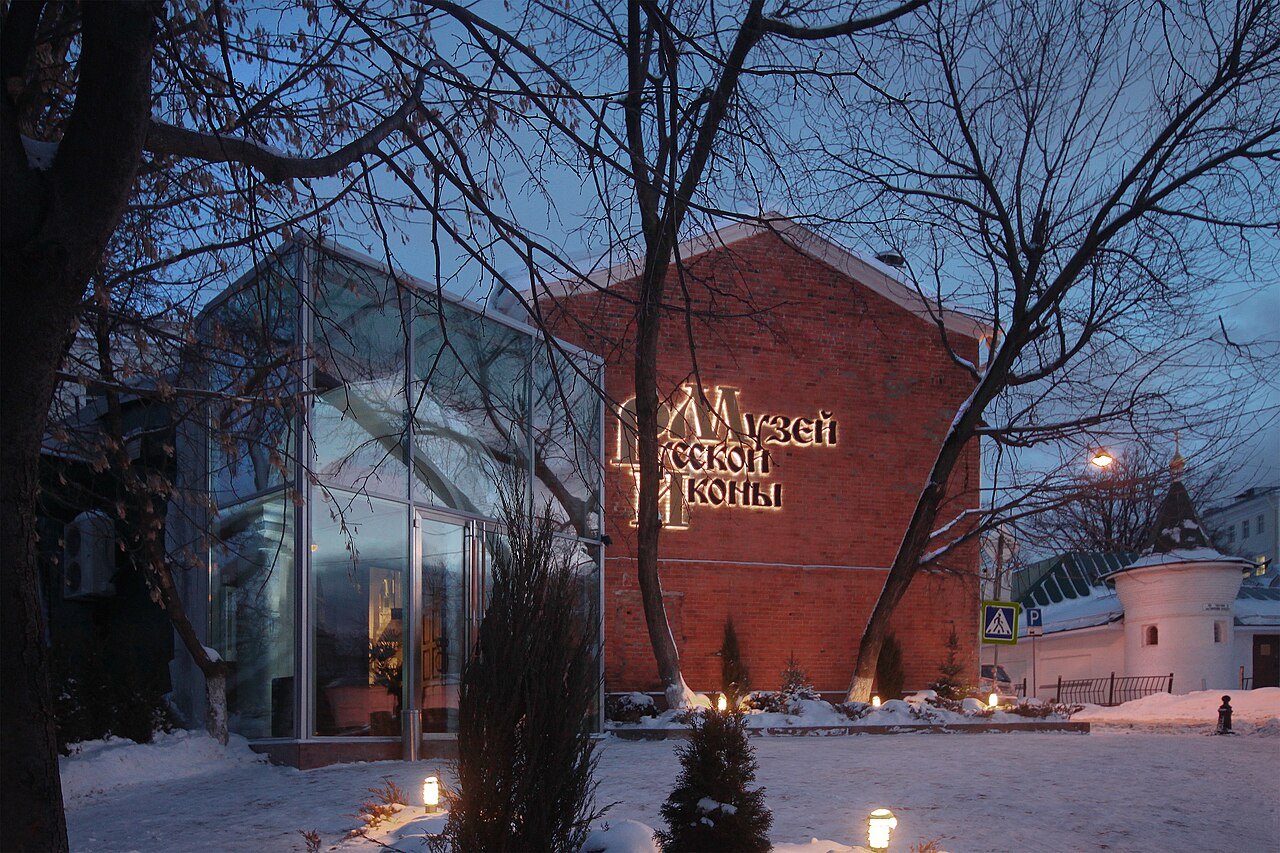

The Russian icon of the 14th to 20th century, from Novgorod panels to Old Believer painting; Ethiopian Christian art, the only such collection in Russia; a reconstructed iconostasis and post-Byzantine Greek icons.
Getting there — step-free. Taganskaya has no lift. There is a parking bay on Goncharnaya. Moscow metro stations almost never have lifts to the platform, except on the Big Circle line and the MCC. A wheelchair user is better served by the surface buses, which are low-floor across the centre.
Museum of Russian Impressionism
.jpg)
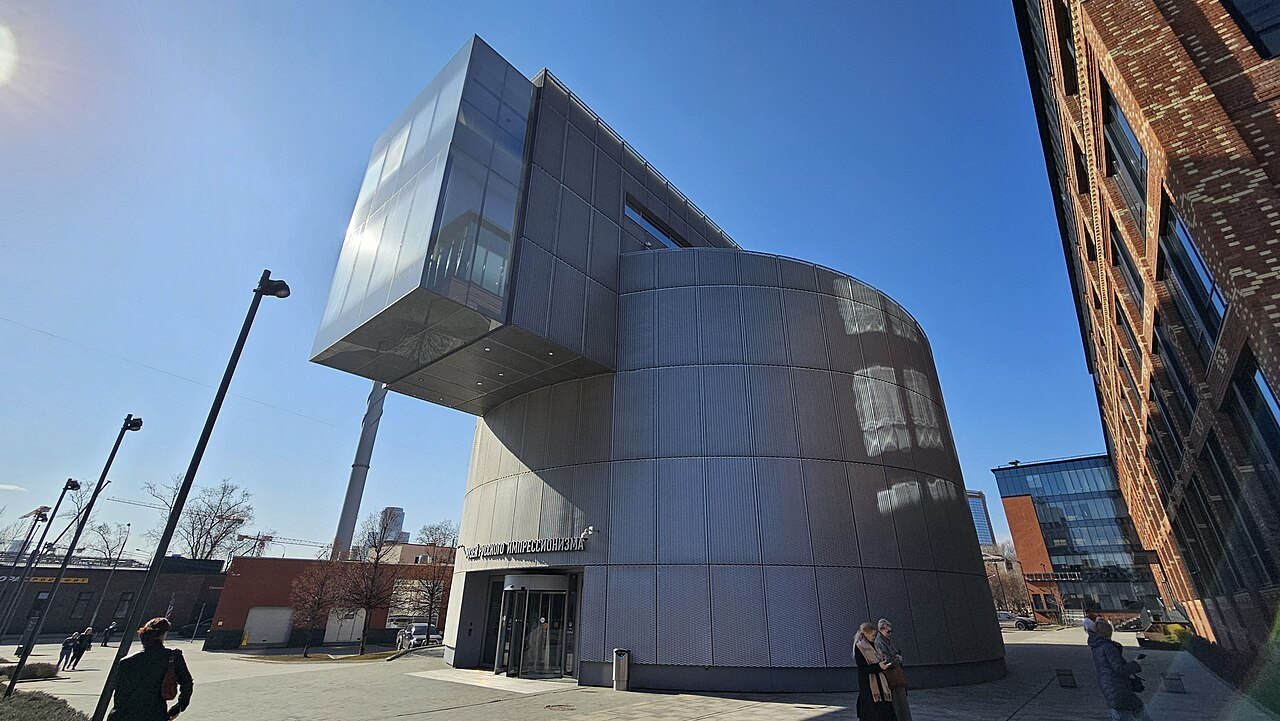
Konstantin Korovin, Valentin Serov, Igor Grabar, Nikolai Bogdanov-Belsky. The building is a converted cylindrical flour store of the Bolshevik factory — a rare case of industry turned into a museum.
Getting there — step-free. Belorusskaya has no lift; the former factory has a level approach and parking. Moscow metro stations almost never have lifts to the platform, except on the Big Circle line and the MCC. A wheelchair user is better served by the surface buses, which are low-floor across the centre.
Tretyakov Gallery. Kadashevskaya Embankment wing
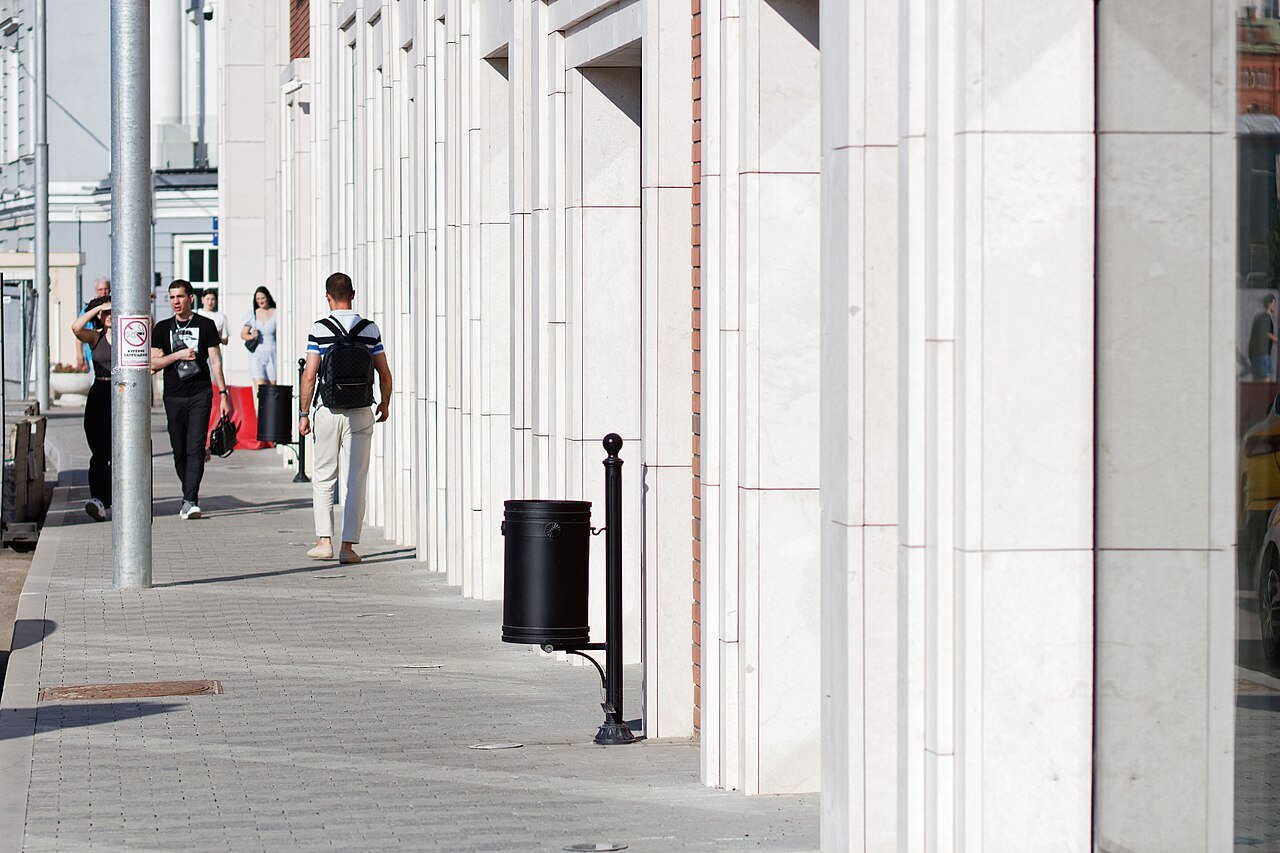

There is no permanent collection — this is an exhibition wing. See the atrium, open without a ticket, and the façades: they carry reproductions of 34 works by Russian artists.
Getting there — step-free. No lift at Tretyakovskaya, but the approach from the embankment is level and there is a drop-off point. Moscow metro stations almost never have lifts to the platform, except on the Big Circle line and the MCC. A wheelchair user is better served by the surface buses, which are low-floor across the centre.
Museum of Moscow
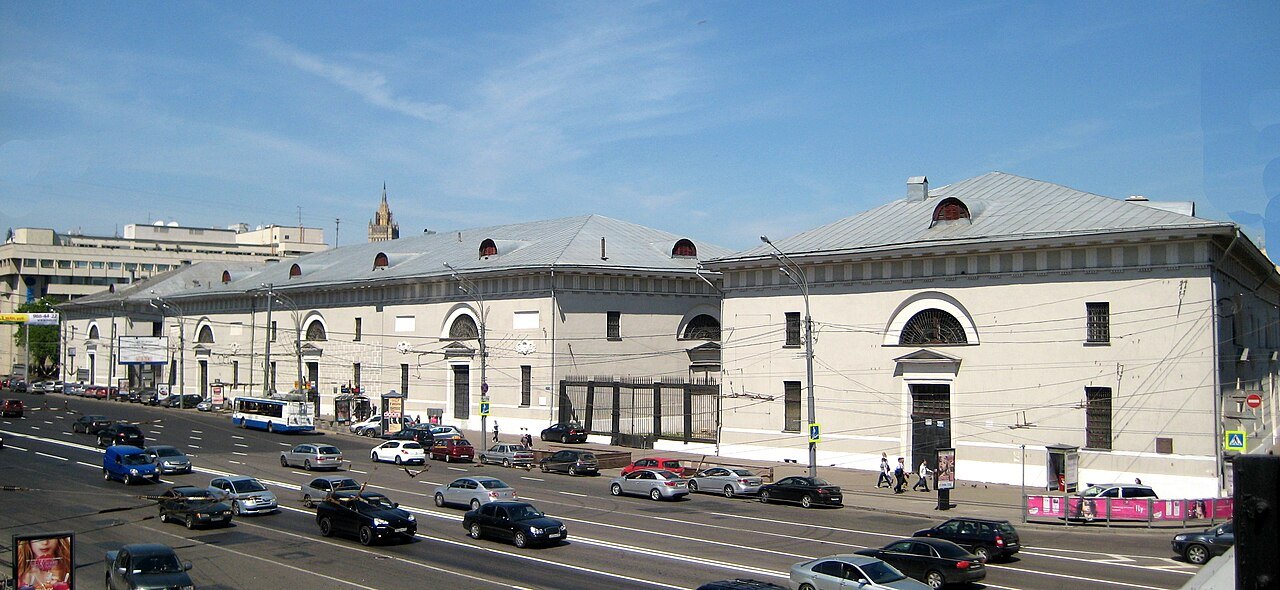

The permanent display History of Moscow: the archaeology of Moscow soil, town life, plans and views of the city by century. And the Provision Warehouses themselves, an Empire monument after Vasily Stasov.
Getting there — step-free. Park Kultury has no lift. Surface transport along Zubovsky Boulevard; the approach is level. Moscow metro stations almost never have lifts to the platform, except on the Big Circle line and the MCC. A wheelchair user is better served by the surface buses, which are low-floor across the centre.
State Darwin Museum
Early 20th-century taxidermy by Filipp Fedulov, among the finest anywhere; the collection of albinos and melanists gathered by Kots as visible proof of variability; the Living Planet hall.
Getting there — step-free. Akademicheskaya has no lift and is 700 m away. There is parking and low-floor buses along Vavilova. Moscow metro stations almost never have lifts to the platform, except on the Big Circle line and the MCC. A wheelchair user is better served by the surface buses, which are low-floor across the centre.
The Manege Central Exhibition Hall
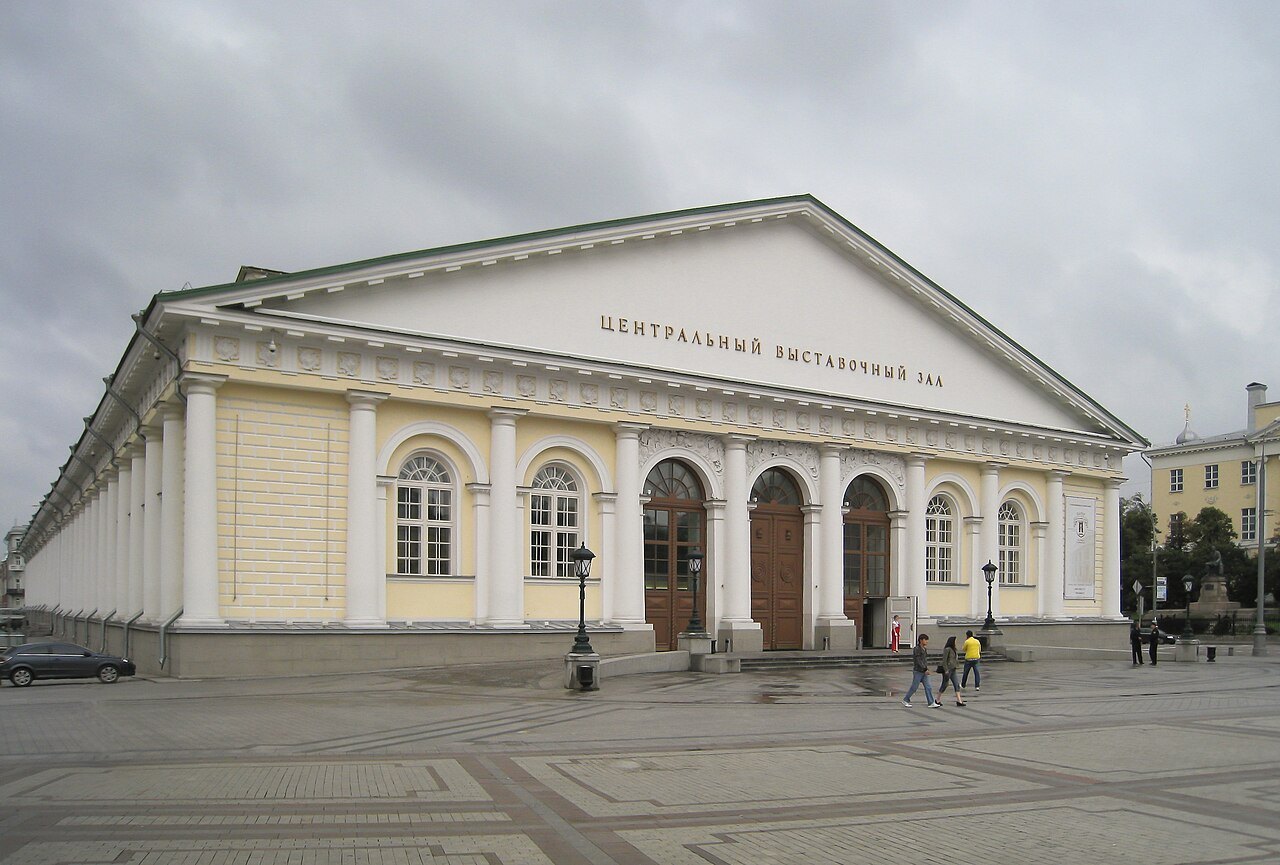

The building itself: a column-free hall spanned by timber trusses of almost 45 metres, calculated by the engineer Agustín de Betancourt — a rare monument of engineering.
Getting there — partly. Neither Okhotny Ryad nor Biblioteka imeni Lenina has a lift. Moscow metro stations almost never have lifts to the platform, except on the Big Circle line and the MCC. A wheelchair user is better served by the surface buses, which are low-floor across the centre.
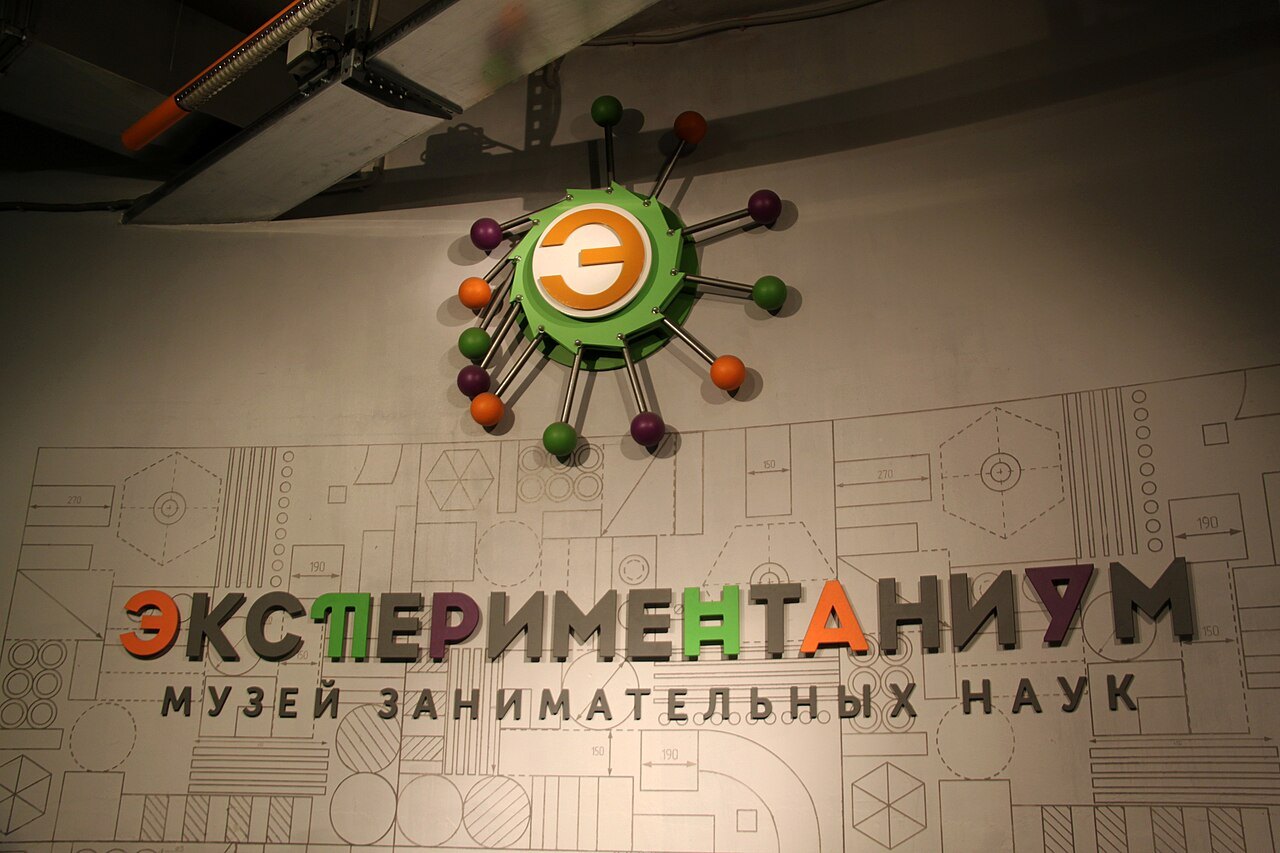
Experimentanium Museum of Entertaining Science
_01.jpg)
Halls of mechanics, optics, acoustics and electricity; a mirror maze; science shows to a timetable.
Getting there — step-free. Sokol has no lift; the building has parking and a level approach. Moscow metro stations almost never have lifts to the platform, except on the Big Circle line and the MCC. A wheelchair user is better served by the surface buses, which are low-floor across the centre.
The Victory Museum
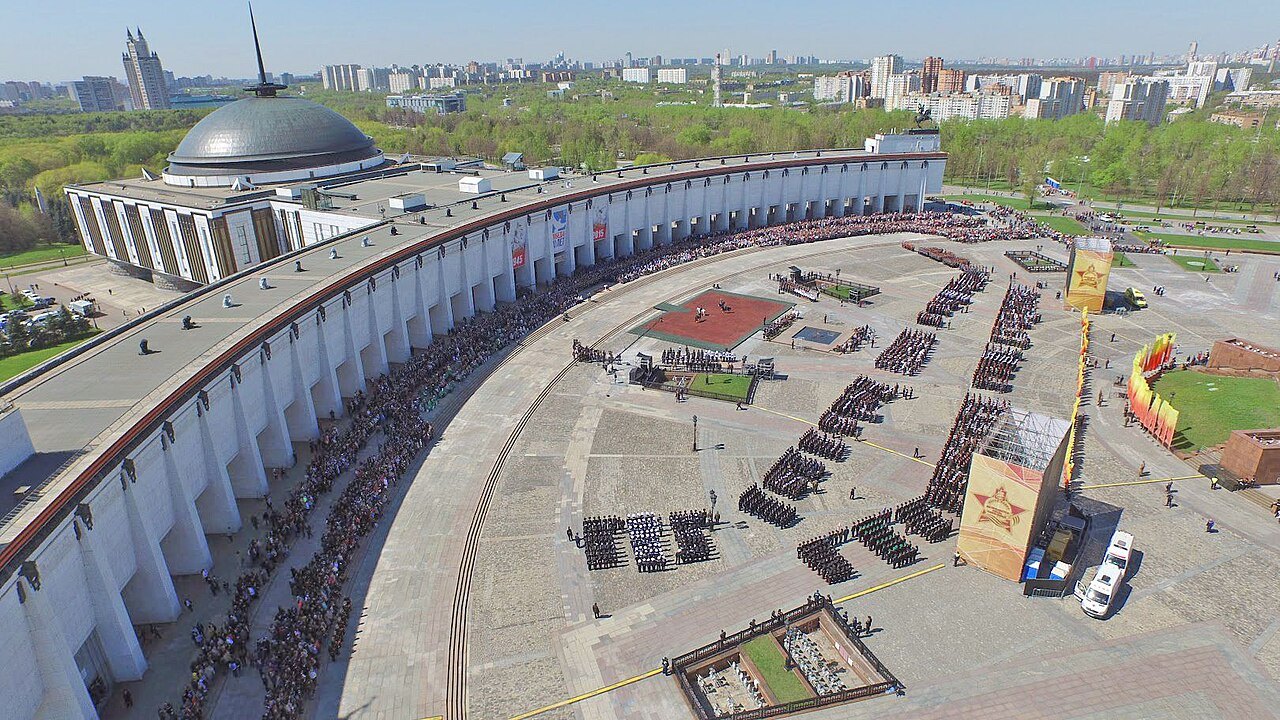

The Hall of Glory and the Hall of Remembrance and Sorrow; six dioramas of the decisive battles; the open-air park of military hardware.
Getting there — step-free. Park Pobedy is the deepest station in the Moscow metro, escalators only. By wheelchair, surface transport or a car; parking is ample. Moscow metro stations almost never have lifts to the platform, except on the Big Circle line and the MCC. A wheelchair user is better served by the surface buses, which are low-floor across the centre.