The main museums of Moscow
Collections we rate four or five on our own scale: those worth clearing a day for, and those that stand alongside the best museums in the world. The rating is ours and we answer for it — it is about the collection, not about the size of the building or the fame of the name.
The New Tretyakov
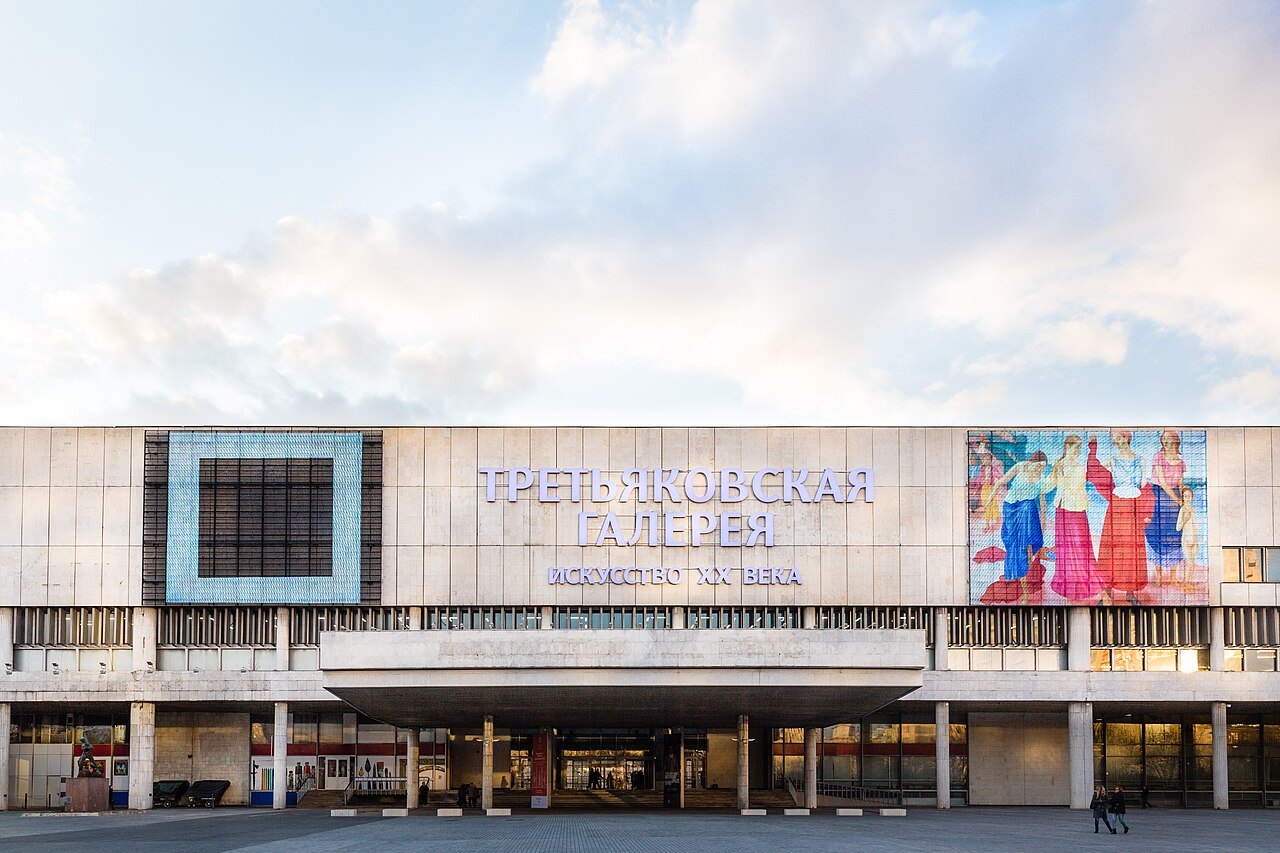

Malevich’s Black Square, Petrov-Vodkin’s Bathing of a Red Horse, work by Kandinsky, Chagall, Goncharova and Larionov, the model of Tatlin’s Tower. Next door: the Muzeon park of dismantled Soviet monuments.
Getting there — step-free. Oktyabrskaya and Park Kultury have no lifts. There is convenient parking at the door and low-floor buses along Krymsky Val. Moscow metro stations almost never have lifts to the platform, except on the Big Circle line and the MCC. A wheelchair user is better served by the surface buses, which are low-floor across the centre.
The Pushkin State Museum of Fine Arts
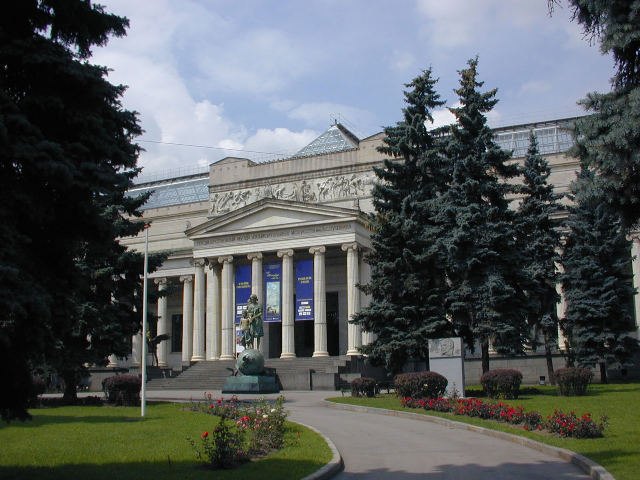

The teaching collection of plaster casts after antique and Renaissance sculpture — Tsvetaev’s idea, unmatched for completeness; the Fayum portraits; objects from Priam’s Treasure found by Schliemann at Troy; the Egyptian collection. The French 19th–20th century is in the Gallery at Volkhonka 14, on a separate ticket.
Getting there — partly. Kropotkinskaya has no lift. The nearest drop-off is on Volkhonka. Moscow metro stations almost never have lifts to the platform, except on the Big Circle line and the MCC. A wheelchair user is better served by the surface buses, which are low-floor across the centre.
The State Historical Museum
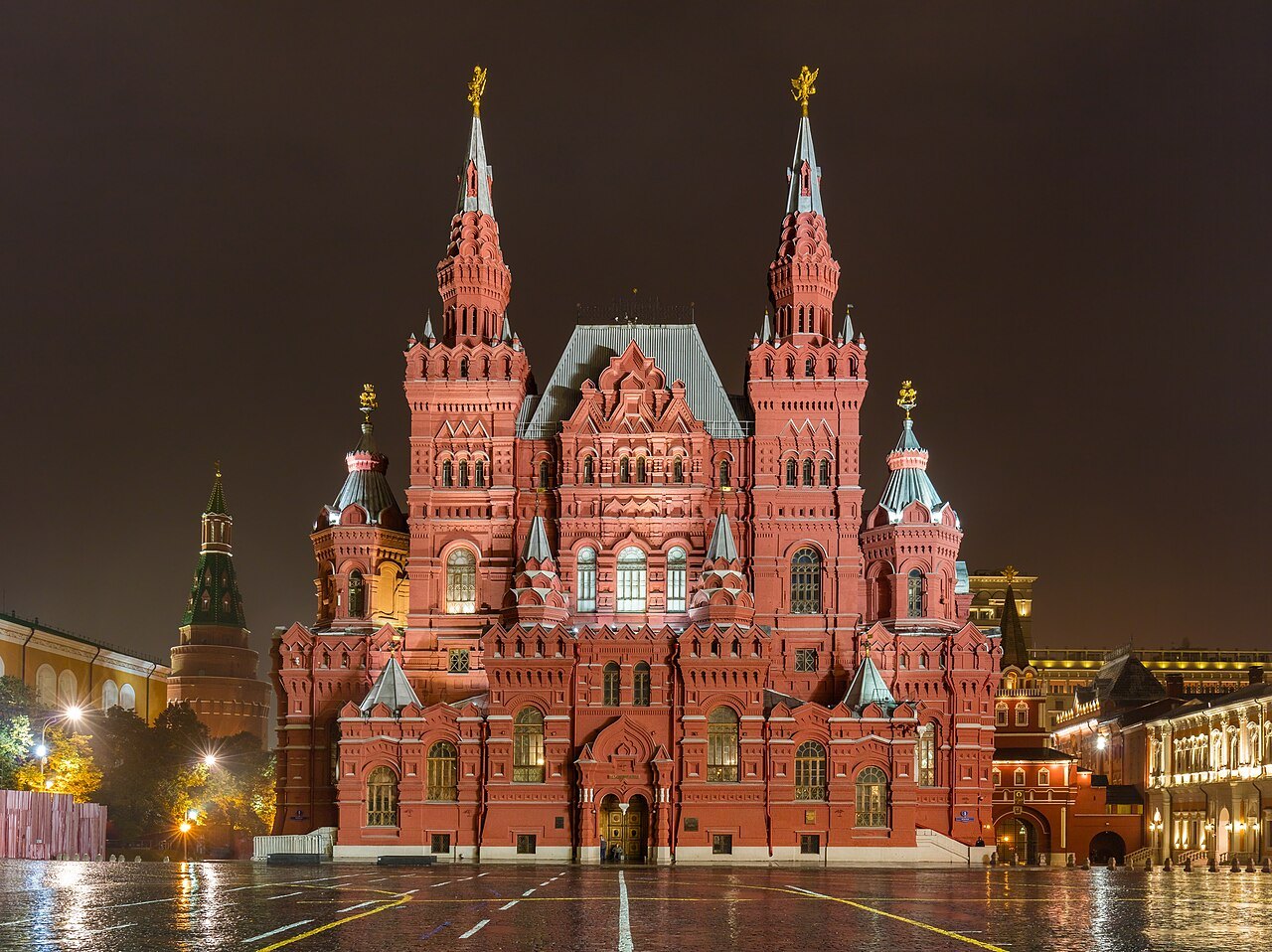

A dugout boat some 3,500 years old; the Mstislav Gospel of the early 12th century; the helmet of Prince Yaroslav Vsevolodovich; a Blaeu globe; personal belongings of Peter the Great. Look up: the halls themselves are painted after Old Russian models and count as an exhibit.
Getting there — partly. Neither Okhotny Ryad nor Teatralnaya has a lift. By wheelchair, surface transport to Red Square or a taxi. Moscow metro stations almost never have lifts to the platform, except on the Big Circle line and the MCC. A wheelchair user is better served by the surface buses, which are low-floor across the centre.
The State Tretyakov Gallery
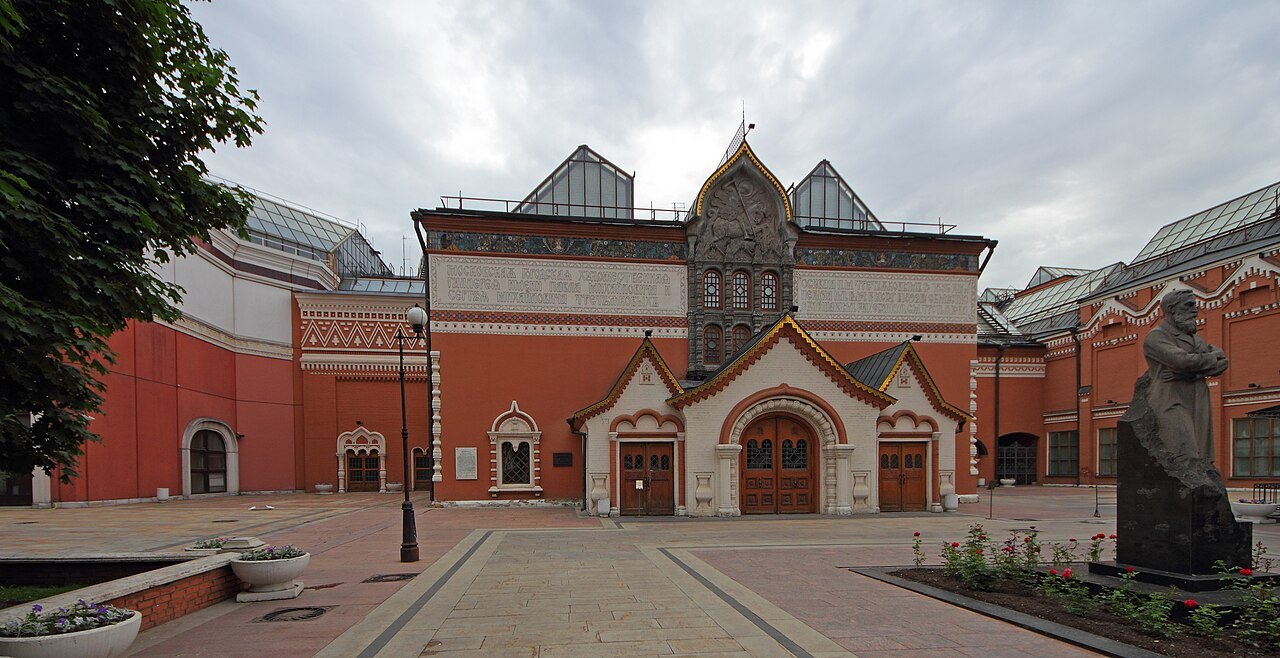

Ivanov’s The Appearance of Christ Before the People in its own hall; Surikov’s Boyarynya Morozova and Morning of the Streltsy Execution; Repin’s Ivan the Terrible and His Son; Serov’s Girl with Peaches; Vasnetsov’s Bogatyrs; the icon halls. Rublev’s Trinity is no longer here: it was handed to the Church in 2023.
Getting there — partly. Tretyakovskaya has no lift. A bus to the “Tretyakov Gallery” stop or a taxi to Lavrushinsky is easier. Moscow metro stations almost never have lifts to the platform, except on the Big Circle line and the MCC. A wheelchair user is better served by the surface buses, which are low-floor across the centre.
Jewish Museum and Tolerance Center
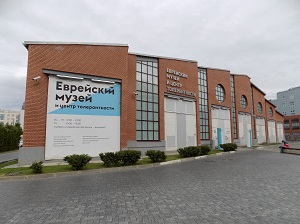
The building itself — the Bakhmetevsky garage of 1926–1927, one of Konstantin Melnikov’s principal works with steel structures by Vladimir Shukhov; the Café on Basseynaya, a reconstruction of shtetl life.
Getting there — step-free. Maryina Roshcha has no lift and Dostoyevskaya is a kilometre away. There is car parking and low-floor buses. Moscow metro stations almost never have lifts to the platform, except on the Big Circle line and the MCC. A wheelchair user is better served by the surface buses, which are low-floor across the centre.
Mikhail Abramov Museum of the Russian Icon
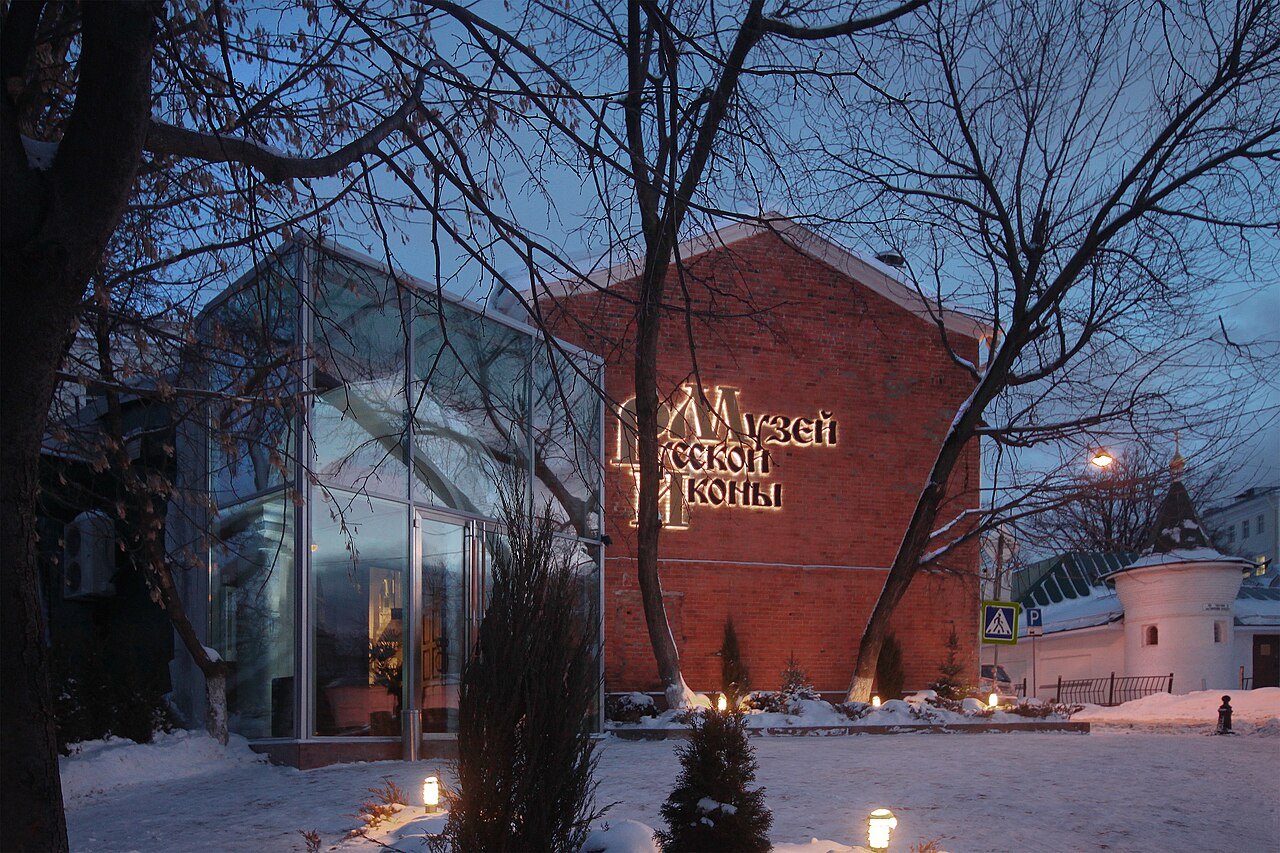

The Russian icon of the 14th to 20th century, from Novgorod panels to Old Believer painting; Ethiopian Christian art, the only such collection in Russia; a reconstructed iconostasis and post-Byzantine Greek icons.
Getting there — step-free. Taganskaya has no lift. There is a parking bay on Goncharnaya. Moscow metro stations almost never have lifts to the platform, except on the Big Circle line and the MCC. A wheelchair user is better served by the surface buses, which are low-floor across the centre.
Museum of Russian Impressionism
.jpg)
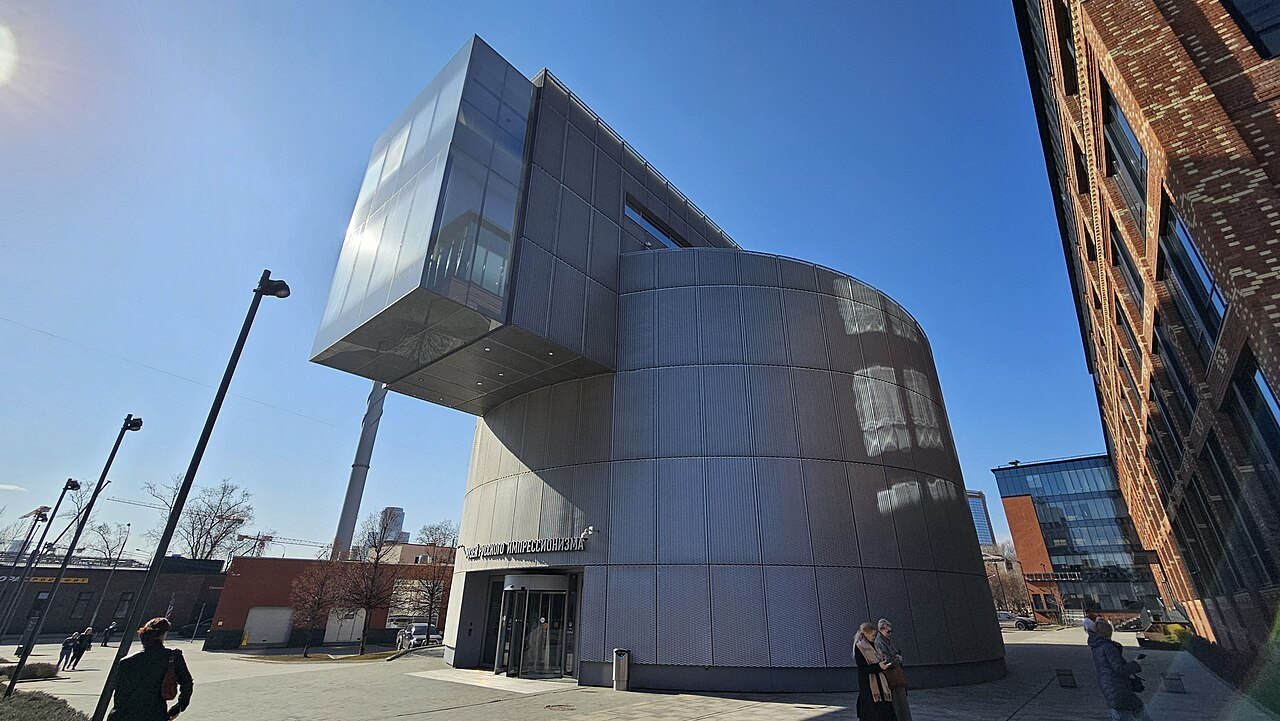
Konstantin Korovin, Valentin Serov, Igor Grabar, Nikolai Bogdanov-Belsky. The building is a converted cylindrical flour store of the Bolshevik factory — a rare case of industry turned into a museum.
Getting there — step-free. Belorusskaya has no lift; the former factory has a level approach and parking. Moscow metro stations almost never have lifts to the platform, except on the Big Circle line and the MCC. A wheelchair user is better served by the surface buses, which are low-floor across the centre.
Shchusev State Museum of Architecture
.JPG)
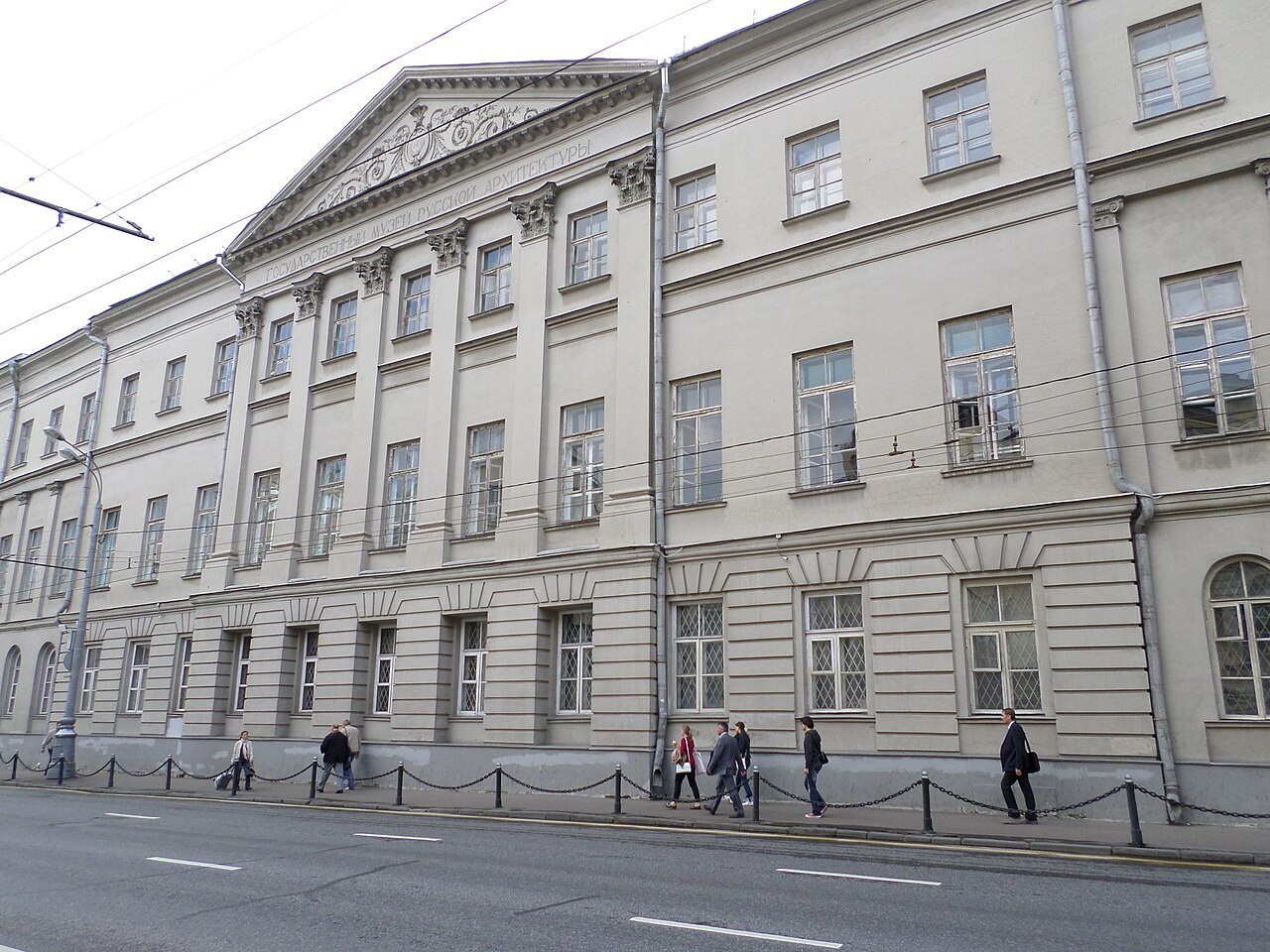
The enfilade of the Talyzin house with its exhibitions; the Apothecary Office, 17th-century chambers where fragments of demolished Moscow buildings are shown; models of unbuilt projects, including material on the Palace of the Soviets.
Getting there — partly. Biblioteka imeni Lenina has no lift. Moscow metro stations almost never have lifts to the platform, except on the Big Circle line and the MCC. A wheelchair user is better served by the surface buses, which are low-floor across the centre.
The State Museum of Oriental Art
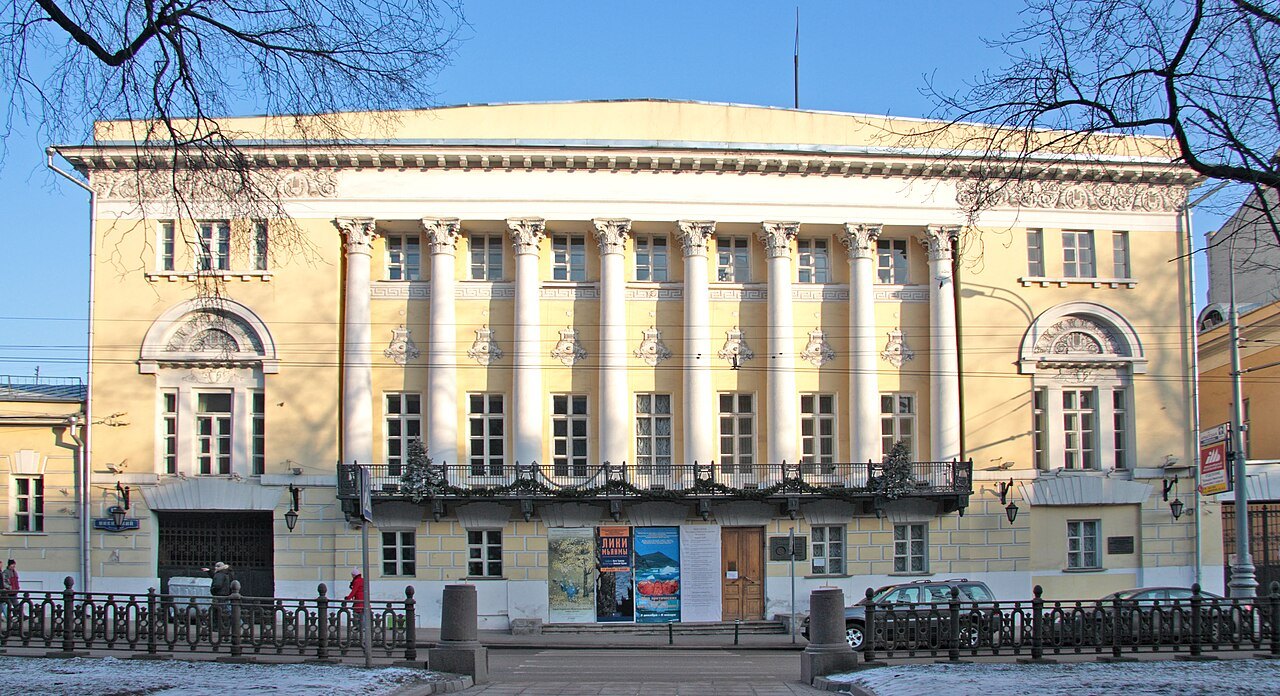

Central Asian and Caucasian carpets and metalwork transferred from the State Museum Fund; Iranian Qajar painting and tilework; Chinese bronze and porcelain, Japanese prints; a Korean section rare for Russia; Buddhist sculpture of Buryatia and Mongolia.
Getting there — not checked. Arbatskaya and Pushkinskaya have no lifts. Surface transport along Nikitsky Boulevard. Moscow metro stations almost never have lifts to the platform, except on the Big Circle line and the MCC. A wheelchair user is better served by the surface buses, which are low-floor across the centre.
Tretyakov Gallery. Kadashevskaya Embankment wing
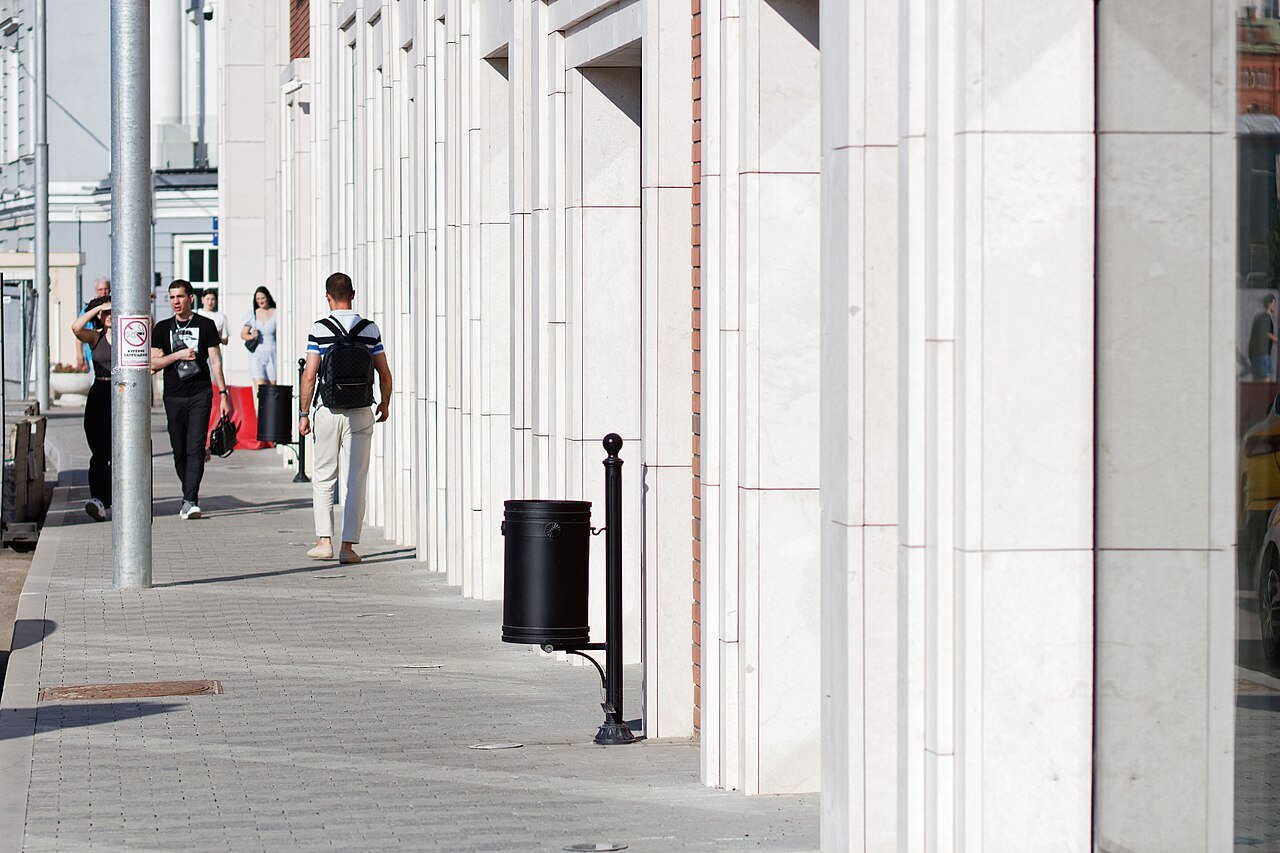

There is no permanent collection — this is an exhibition wing. See the atrium, open without a ticket, and the façades: they carry reproductions of 34 works by Russian artists.
Getting there — step-free. No lift at Tretyakovskaya, but the approach from the embankment is level and there is a drop-off point. Moscow metro stations almost never have lifts to the platform, except on the Big Circle line and the MCC. A wheelchair user is better served by the surface buses, which are low-floor across the centre.