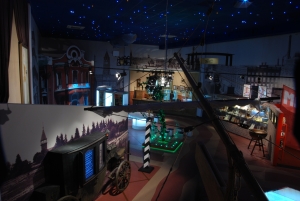
Not “children’s” museums, but those where a child has something to look at and to understand. Each entry states the age from which this works: earlier than that, the visit ends in tiredness rather than in an impression.
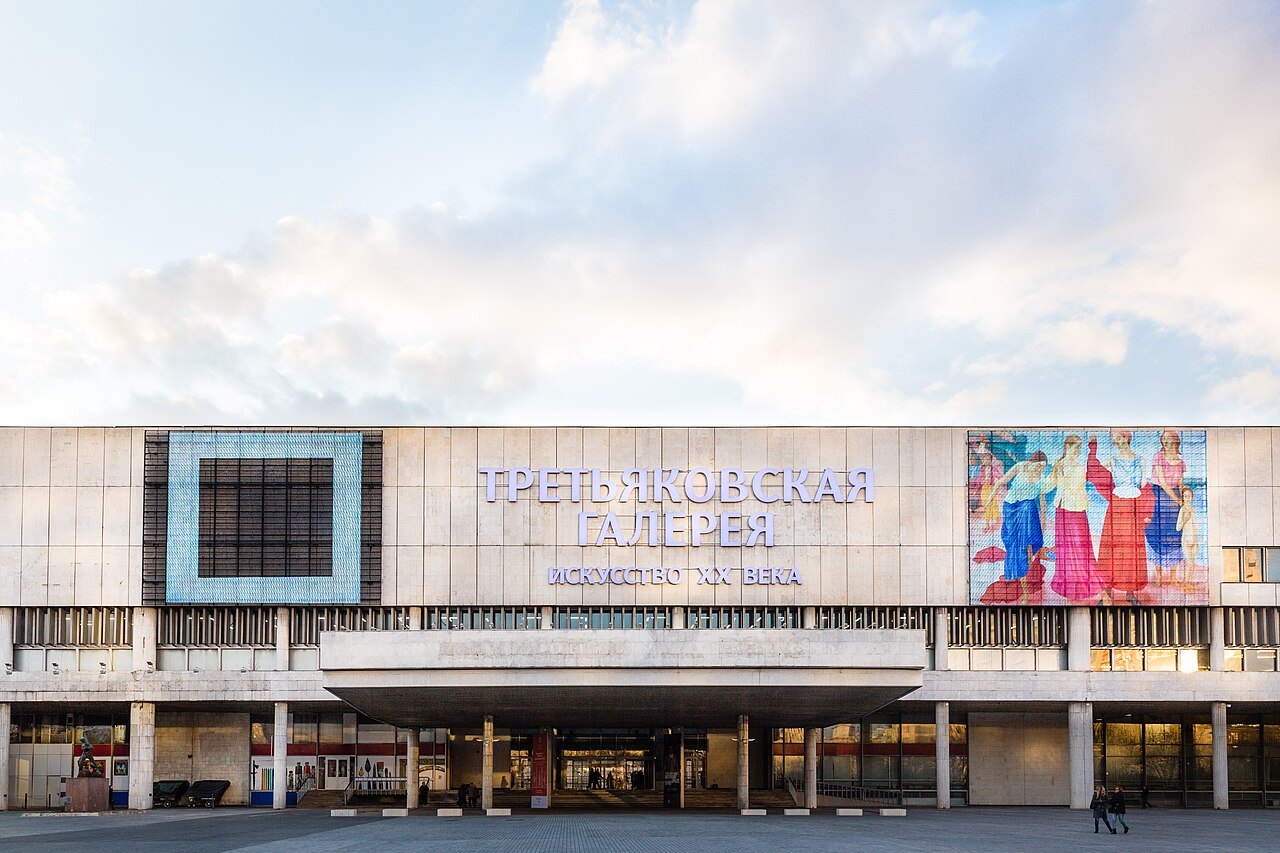
?The Russian avant-garde is the one Russian artistic system to enter the world canon on equal terms, and its largest collection is here. MoMA and the Pompidou show Malevich and Tatlin torn from their setting; here they hang beside what they rebelled against, which changes the reading.
Malevich’s Black Square, Petrov-Vodkin’s Bathing of a Red Horse, work by Kandinsky, Chagall, Goncharova and Larionov, the model of Tatlin’s Tower. Next door: the Muzeon park of dismantled Soviet monuments.
Krymsky Val 10 ·today 10:00–18:00· from 700 ₽ 2–3 hours6+ The avant-garde reaches children more easily than the classics: strong colour, plain shapes. From 6; there are children’s routes and workshops.wheelchair — step-freeThe museum — step-free. A modern building: ramps, lifts, wide doorways, accessible toilets. Wheelchairs are lent. Getting there — step-free. Oktyabrskaya and Park Kultury have no lifts. There is convenient parking at the door and low-floor buses along Krymsky Val. Moscow metro stations almost never have lifts to the platform, except on the Big Circle line and the MCC. A wheelchair user is better served by the surface buses, which are low-floor across the centre.
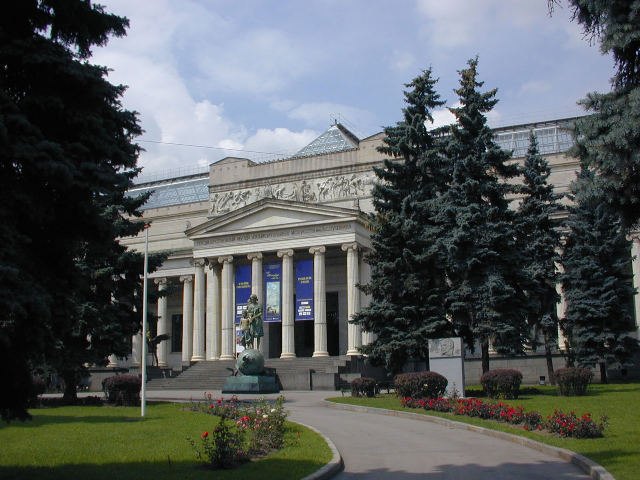
?The Louvre and the Metropolitan hold more originals; what is unique is Tsvetaev’s cast collection — the only large teaching museum of the history of art in the world still intact and still working as intended. In Europe such collections went into storage in the 20th century. Add the Fayum portraits and objects from Schliemann’s Trojan hoards.
The teaching collection of plaster casts after antique and Renaissance sculpture — Tsvetaev’s idea, unmatched for completeness; the Fayum portraits; objects from Priam’s Treasure found by Schliemann at Troy; the Egyptian collection. The French 19th–20th century is in the Gallery at Volkhonka 14, on a separate ticket.
Volkhonka 12 ·today 10:00–20:00· from 400 ₽ 3 hours7+ Children read the plaster casts as “real giants”, and the Egyptian hall never fails. From 7; the museum has a strong children’s centre.wheelchair — partlyThe museum — partly. The 1912 building: there is a platform lift at the entrance, but not every hall connects without steps. The Gallery at Volkhonka 14 is fully accessible. Getting there — partly. Kropotkinskaya has no lift. The nearest drop-off is on Volkhonka. Moscow metro stations almost never have lifts to the platform, except on the Big Circle line and the MCC. A wheelchair user is better served by the surface buses, which are low-floor across the centre.
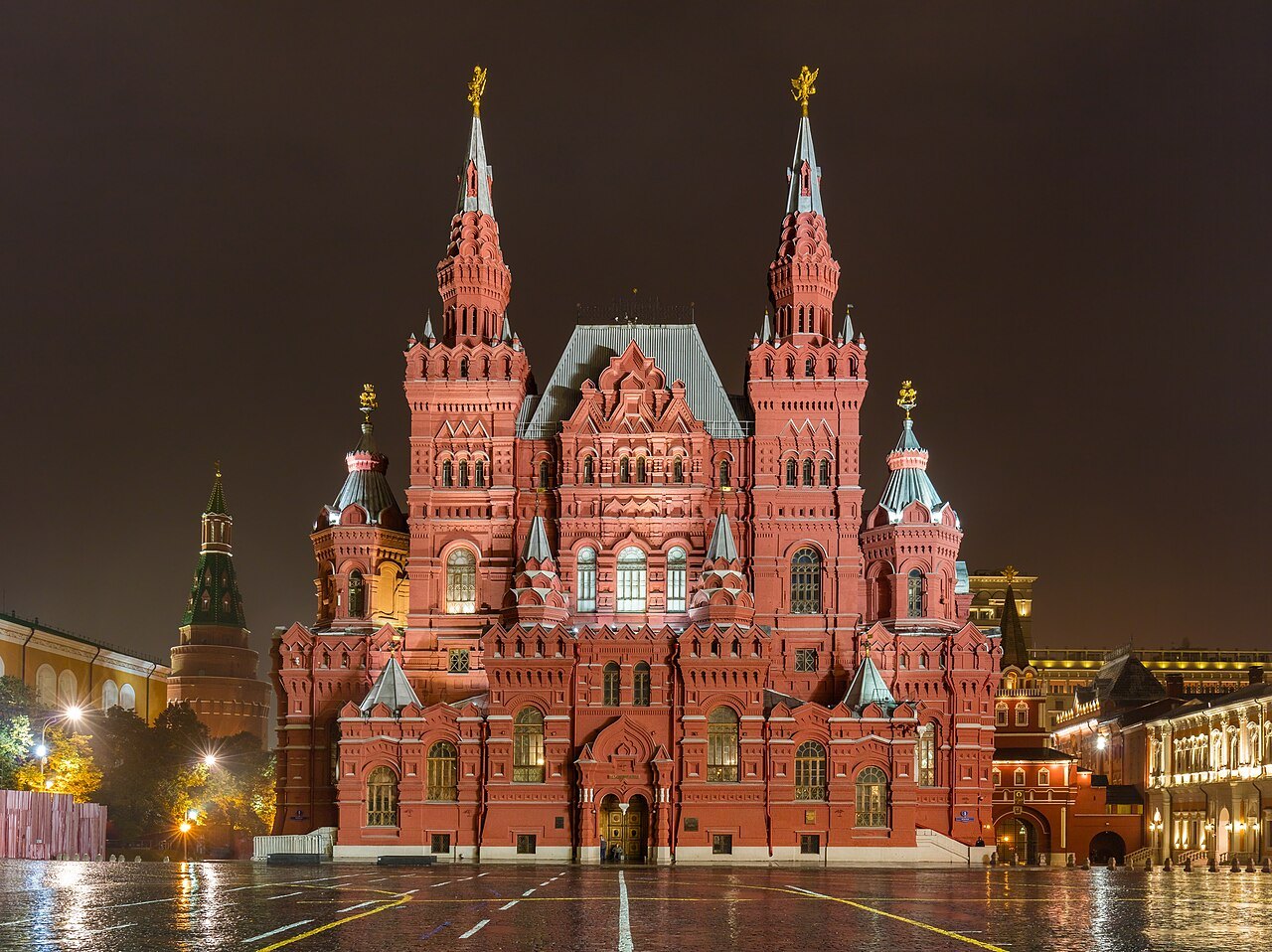
?A collection of material sources on Russian history unmatched for completeness: archaeology, numismatics, arms and manuscripts in one sequence, five million objects. And a rarity of another kind — Sherwood’s fully preserved Russian Revival interior, a monument in itself.
A dugout boat some 3,500 years old; the Mstislav Gospel of the early 12th century; the helmet of Prince Yaroslav Vsevolodovich; a Blaeu globe; personal belongings of Peter the Great. Look up: the halls themselves are painted after Old Russian models and count as an exhibit.
Red Square 1 ·today 10:00–19:00· from 700 ₽ 3 hours9+ Below nine, forty halls are exhausting. Older children do well if you come for one theme — arms, hoards, costume.wheelchair — partlyThe museum — partly. There is a ramp and a lift, but part of the first floor is reached by the old stairs. Telephone ahead: staff will take you round. Getting there — partly. Neither Okhotny Ryad nor Teatralnaya has a lift. By wheelchair, surface transport to Red Square or a taxi. Moscow metro stations almost never have lifts to the platform, except on the Big Circle line and the MCC. A wheelchair user is better served by the surface buses, which are low-floor across the centre.
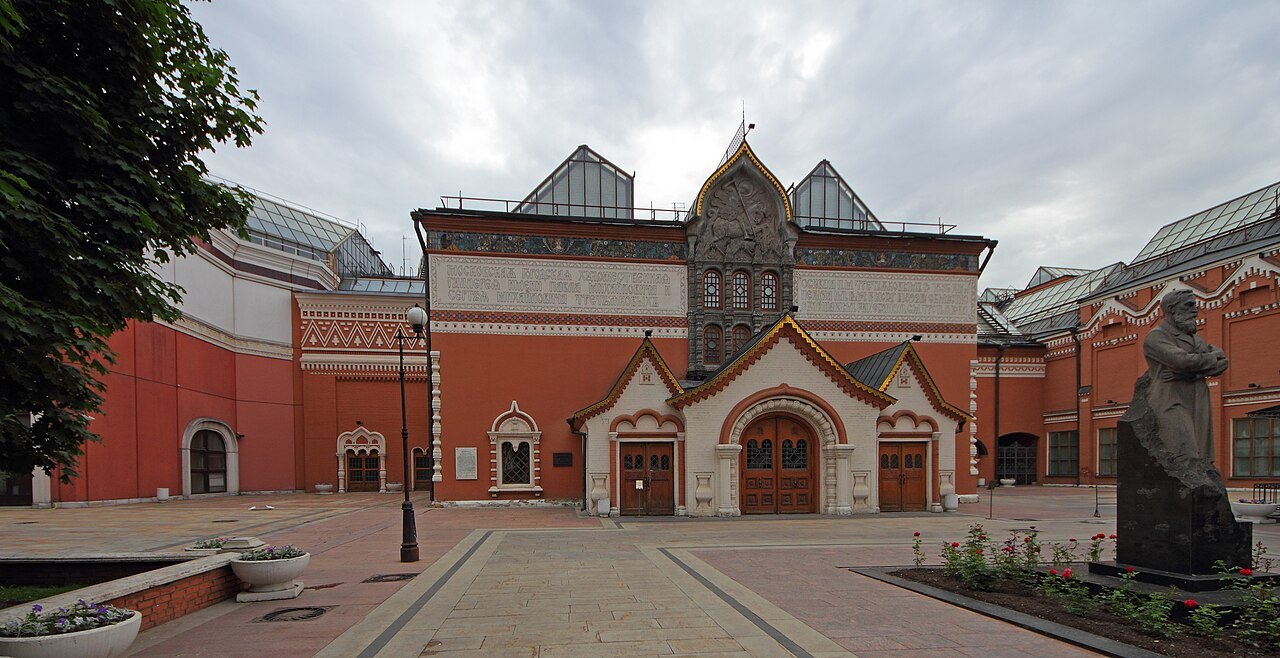
?Russian art of the 11th to early 20th century is nowhere else assembled so fully — only the Russian Museum compares. But the canon was formed here: Tretyakov bought from living artists what he himself thought mattered, and one man’s private judgement became what we now call the Russian school. Seeing the 19th century elsewhere means seeing fragments.
Ivanov’s The Appearance of Christ Before the People in its own hall; Surikov’s Boyarynya Morozova and Morning of the Streltsy Execution; Repin’s Ivan the Terrible and His Son; Serov’s Girl with Peaches; Vasnetsov’s Bogatyrs; the icon halls. Rublev’s Trinity is no longer here: it was handed to the Church in 2023.
Lavrushinsky Lane 10 ·today 10:00–18:00· from 700 ₽ 2–3 hours8+ Children under school age get bored: the painting needs explaining. From 8 there are children’s tours and game guides.wheelchair — partlyThe museum — step-free. Ramp at the entrance, lifts between floors, wheelchairs lent free at the door, accessible toilets. Getting there — partly. Tretyakovskaya has no lift. A bus to the “Tretyakov Gallery” stop or a taxi to Lavrushinsky is easier. Moscow metro stations almost never have lifts to the platform, except on the Big Circle line and the MCC. A wheelchair user is better served by the surface buses, which are low-floor across the centre.
?Come for two things at once: the Bakhmetevsky garage by Melnikov and Shukhov, a building of world significance, and the history of Russian Jewry told from inside as nowhere else. The holdings of originals are modest, and that is worth knowing beforehand.
The building itself — the Bakhmetevsky garage of 1926–1927, one of Konstantin Melnikov’s principal works with steel structures by Vladimir Shukhov; the Café on Basseynaya, a reconstruction of shtetl life.
Obraztsova 11, bldg 1a ·today 12:00–22:00· from 400 ₽ 2.5 hours6+ One of the few museums in Moscow that genuinely holds children: screens, sound, film, interactive tables. From 6.wheelchair — step-freeThe museum — step-free. Fully accessible: level floors throughout, lifts, accessible toilets, wheelchairs at the door. One of the best in Moscow for this. Getting there — step-free. Maryina Roshcha has no lift and Dostoyevskaya is a kilometre away. There is car parking and low-floor buses. Moscow metro stations almost never have lifts to the platform, except on the Big Circle line and the MCC. A wheelchair user is better served by the surface buses, which are low-floor across the centre.
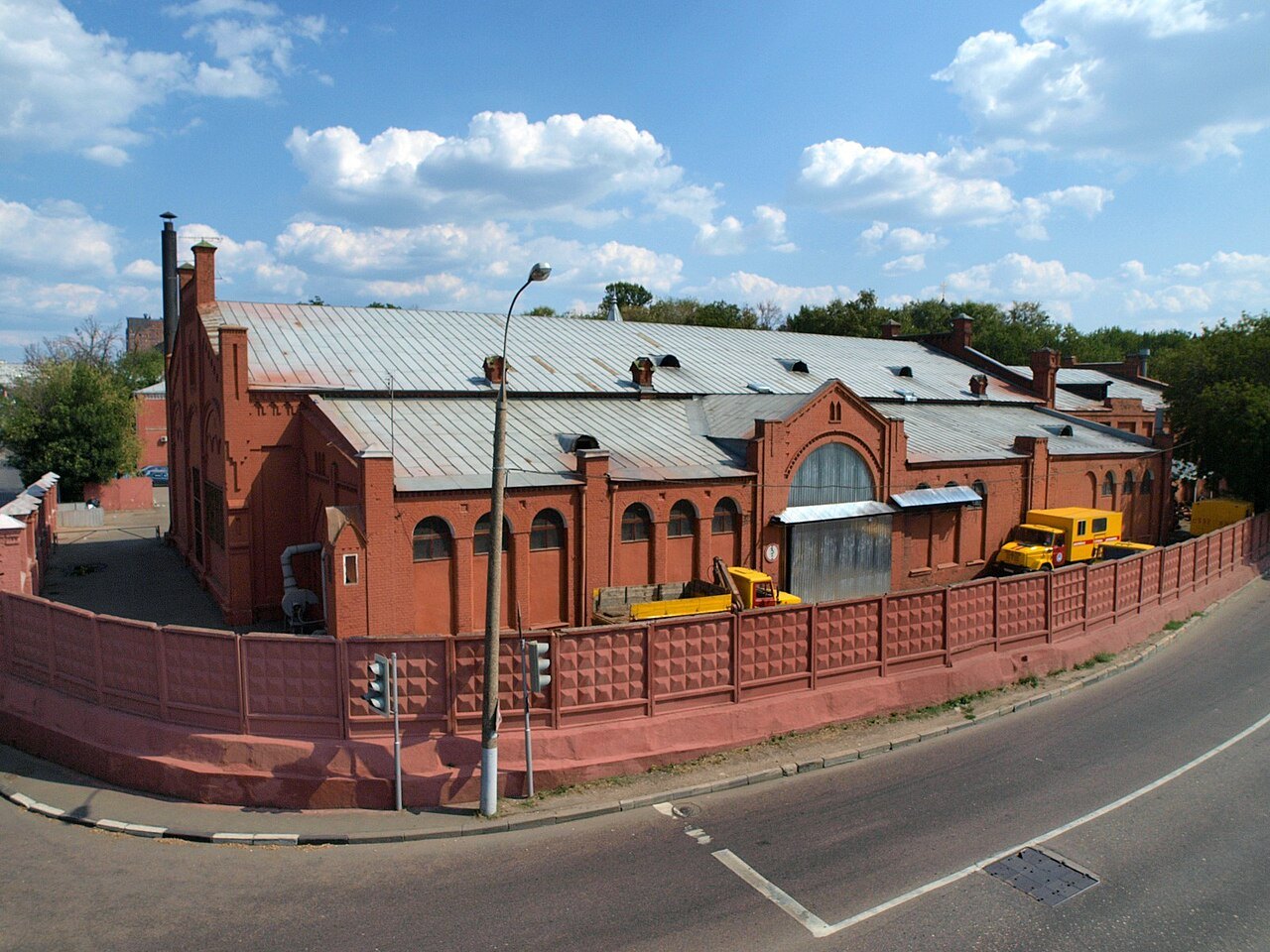
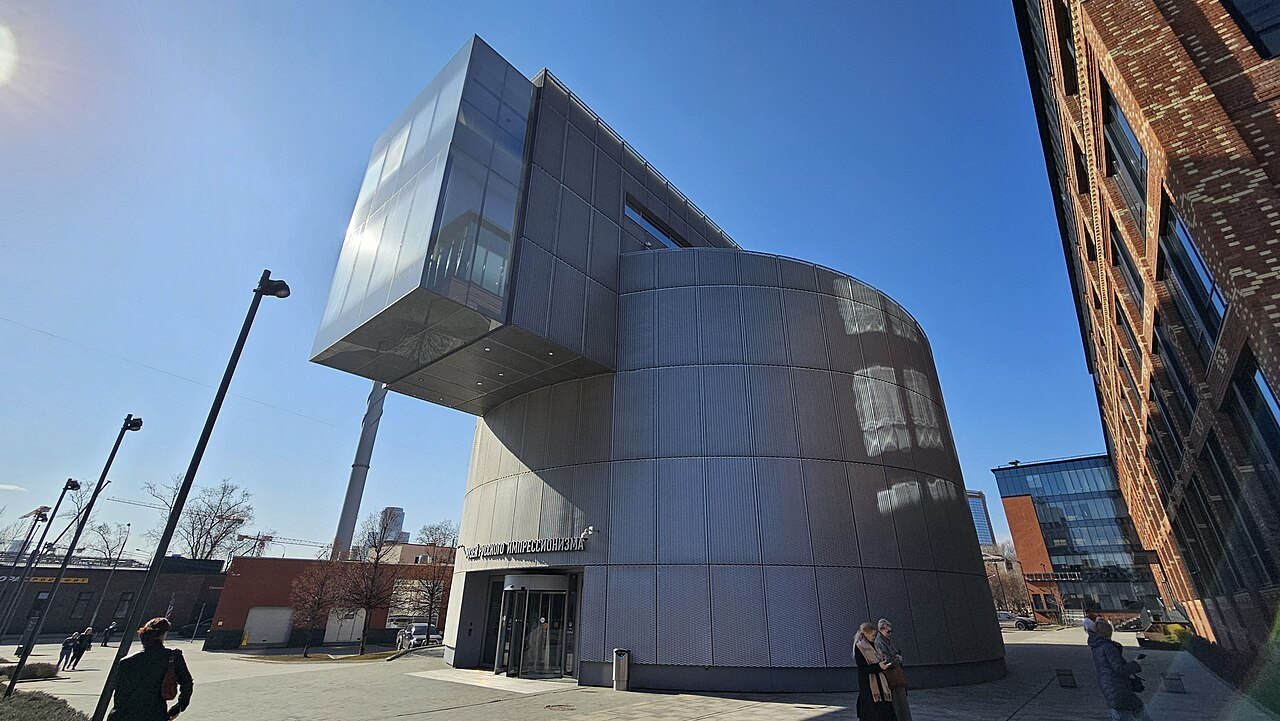
?The term “Russian impressionism” is contested, and this is the only institution that investigates rather than illustrates it. The value is the exhibition programme: works come here from private collections that would otherwise never be seen.
Konstantin Korovin, Valentin Serov, Igor Grabar, Nikolai Bogdanov-Belsky. The building is a converted cylindrical flour store of the Bolshevik factory — a rare case of industry turned into a museum.
Leningradsky Prospekt 15, bldg 11 ·today 11:00–20:00· from 400 ₽ 1.5 hours8+ A small display and good children’s programmes at weekends.wheelchair — step-freeThe museum — step-free. Converted for the museum: lift, level floors, accessible toilet. Getting there — step-free. Belorusskaya has no lift; the former factory has a level approach and parking. Moscow metro stations almost never have lifts to the platform, except on the Big Circle line and the MCC. A wheelchair user is better served by the surface buses, which are low-floor across the centre.
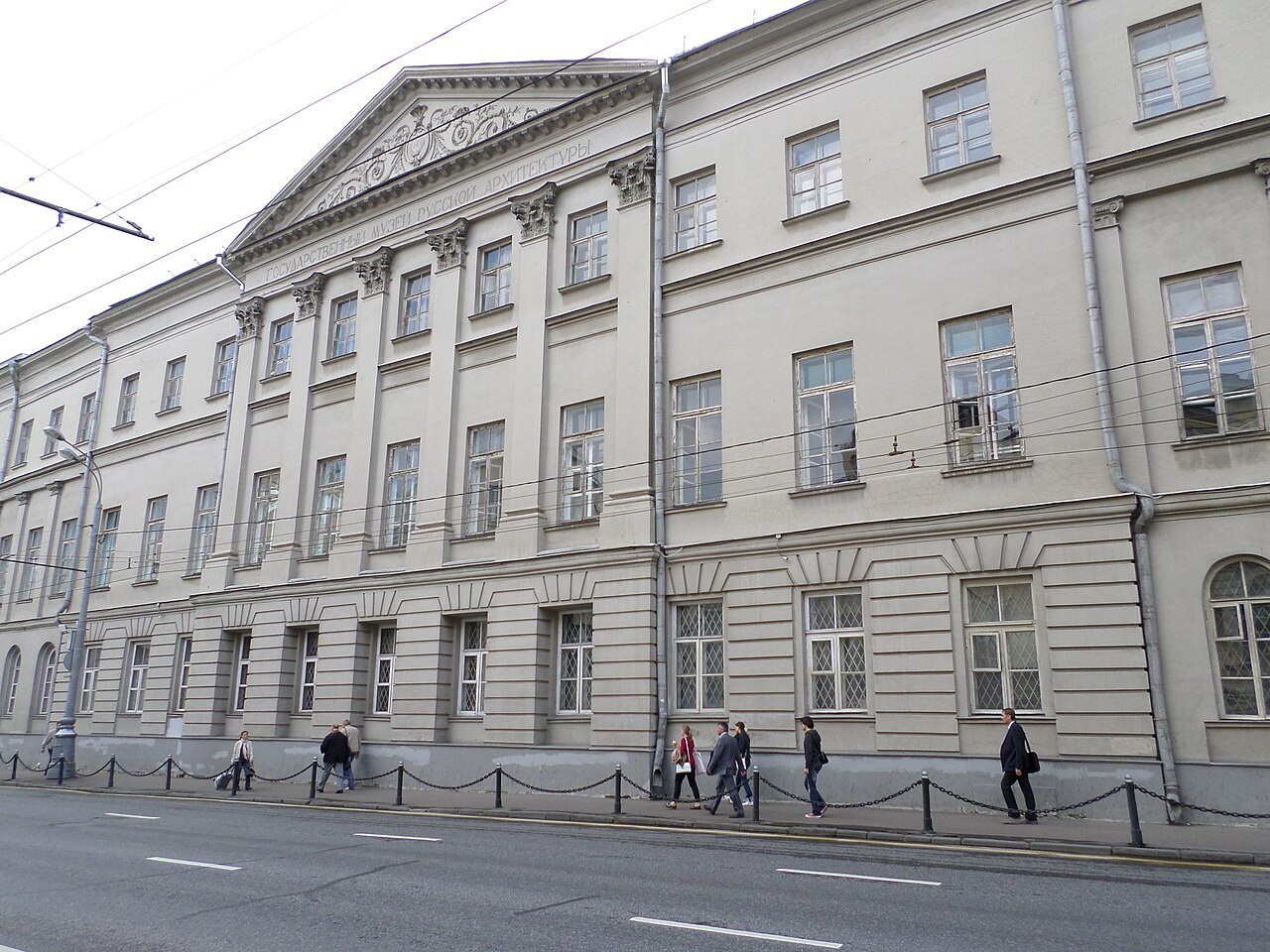
?The only museum of architecture in Russia and one of the few in the world. It holds fragments of demolished buildings — reliefs from the Cathedral of Christ the Saviour, details of the Sukharev Tower: things that exist nowhere else because the buildings do not.
The enfilade of the Talyzin house with its exhibitions; the Apothecary Office, 17th-century chambers where fragments of demolished Moscow buildings are shown; models of unbuilt projects, including material on the Palace of the Soviets.
Vozdvizhenka 5/25 ·today 11:00–20:00· from 450 ₽ 1.5 hours9+ Architectural drawings say little to children; the models do.wheelchair — partlyThe museum — partly. The main enfilade is level, but the Ruin wing and the Apothecary Office are up steps. Getting there — partly. Biblioteka imeni Lenina has no lift. Moscow metro stations almost never have lifts to the platform, except on the Big Circle line and the MCC. A wheelchair user is better served by the surface buses, which are low-floor across the centre.
?Western museums of the East were formed by colonial routes; this collection grew out of nationalised private collections and Soviet expeditions. Hence the Central Asian, Caucasian, Buryat and Chukchi sections that London and Paris lack: there the East begins with India and Egypt, here with what lay inside the country and next to it. That is the reason to come.
Central Asian and Caucasian carpets and metalwork transferred from the State Museum Fund; Iranian Qajar painting and tilework; Chinese bronze and porcelain, Japanese prints; a Korean section rare for Russia; Buddhist sculpture of Buryatia and Mongolia.
Nikitsky Boulevard 12a ·today 11:00–20:00· from 500 ₽ 2 hours10+ Eastern art needs explaining and says little to younger children. From 10, better with a guide.wheelchair — partlyThe museum — partly. The Gilardi mansion: a ramp at the door, but steps between the enfilades. Ask an attendant to escort you. Getting there — not checked. Arbatskaya and Pushkinskaya have no lifts. Surface transport along Nikitsky Boulevard. Moscow metro stations almost never have lifts to the platform, except on the Big Circle line and the MCC. A wheelchair user is better served by the surface buses, which are low-floor across the centre.
?Not yet a collection but an instrument: the first exhibition building in Moscow built to 21st-century museum standards — climate, light, spans. Its value is that things can now be brought here that could not be brought before.
There is no permanent collection — this is an exhibition wing. See the atrium, open without a ticket, and the façades: they carry reproductions of 34 works by Russian artists.
Kadashevskaya Embankment 12 ·today 10:00–18:00· from 900 ₽ 1.5–2 hours7+ A new building with wide halls and an atrium: a child is not hemmed in. What to see depends on the exhibition.wheelchair — step-freeThe museum — step-free. Built in 2024 and fully accessible: lifts, ramps, accessible toilets, wheelchairs lent. Getting there — step-free. No lift at Tretyakovskaya, but the approach from the embankment is level and there is a drop-off point. Moscow metro stations almost never have lifts to the platform, except on the Big Circle line and the MCC. A wheelchair user is better served by the surface buses, which are low-floor across the centre.
?Lacquer miniature of four schools and propaganda porcelain — the objects by which Russia is recognisable in world decorative art. The material is first-rate; the display is not up to it.
Lacquer miniature — Palekh, Fedoskino, Mstyora, Kholuy; Soviet propaganda porcelain; toys of the peoples of the world; embroidery and samovars.
Delegatskaya 3, bldg 1 ·today 12:00–20:00· from 350 ₽ 1.5 hours6+ Toys of the peoples of the world and lacquer miniature give children something to look at. From 6.wheelchair — partlyThe museum — partly. There are a ramp and a lift, but not into every hall of the estate. Getting there — partly. Tsvetnoy Bulvar has no lift. Moscow metro stations almost never have lifts to the platform, except on the Big Circle line and the MCC. A wheelchair user is better served by the surface buses, which are low-floor across the centre.
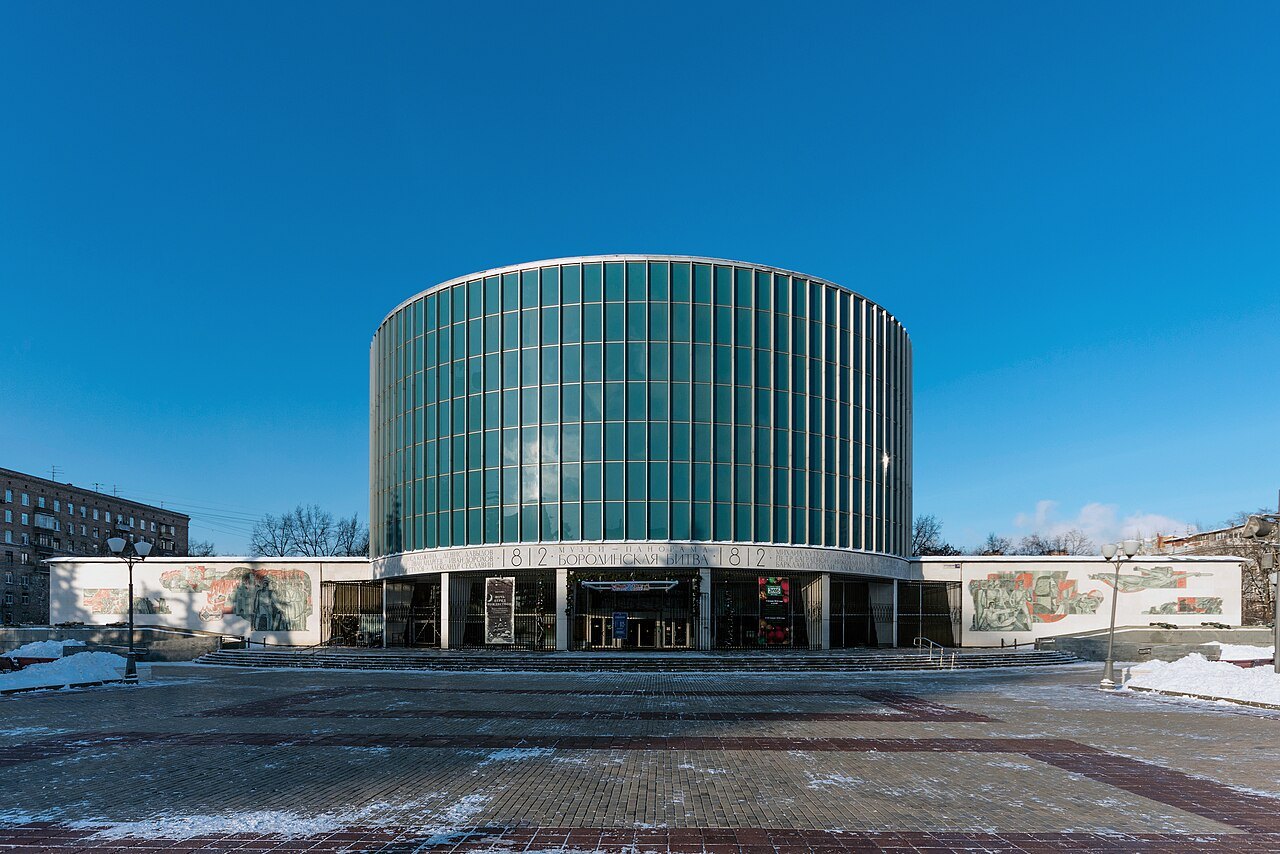
?Roubaud’s panorama is one of the few survivors of a genre that was the summit of 19th-century visual culture and has almost entirely vanished. The value lies in the machinery of the spectacle, not in the subject: this is how people looked before cinema.
Franz Roubaud’s Borodino panorama of 1912: 115 metres of canvas in the round, 15 metres high. Next door, the Kutuzov hut where on 1 September 1812 the council of war decided to abandon Moscow.
Kutuzovsky Prospekt 38, bldg 1 ·today 10:00–18:00· from 500 ₽ 1.5 hours8+ The panorama impresses children too, but it needs a story. From 8.wheelchair — partlyThe museum — partly. A ramp at the entrance and a lift up to the panorama; the Kutuzov hut in the yard is over uneven ground. Getting there — step-free. Kutuzovskaya has no lift. There is parking along Kutuzovsky Prospekt. Moscow metro stations almost never have lifts to the platform, except on the Big Circle line and the MCC. A wheelchair user is better served by the surface buses, which are low-floor across the centre.
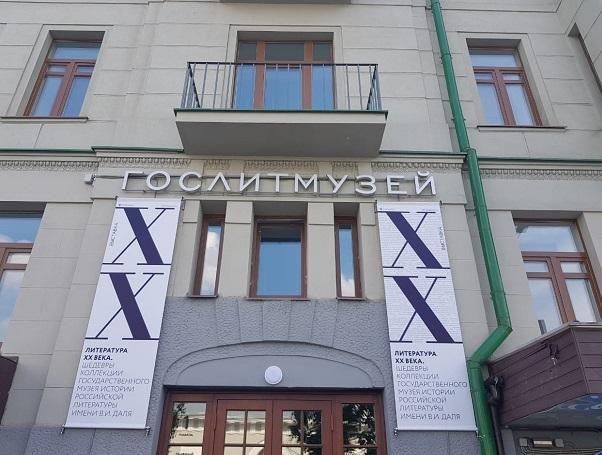
?The only museum built not around a single name but around literature as a process. Hence its strength — comparisons impossible in a house museum, and a fund of 700,000 items that makes such comparisons possible.
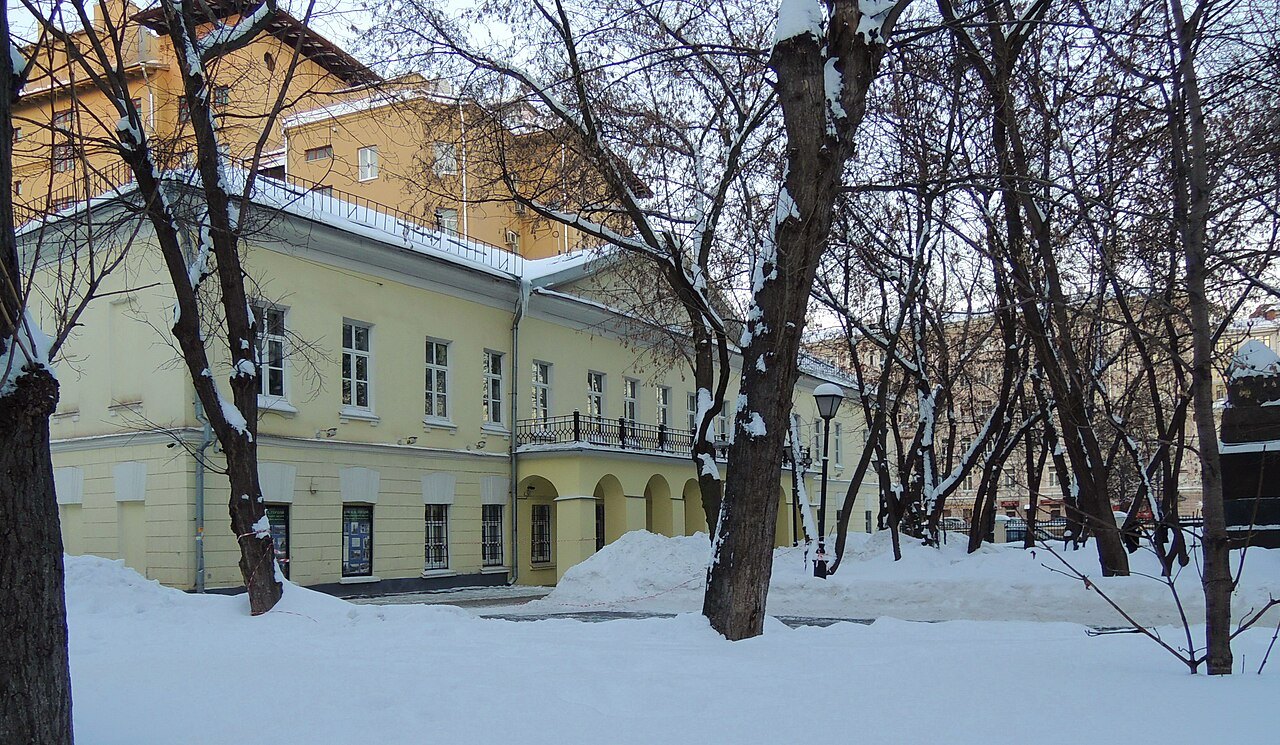
The permanent display Zubovsky 15: a house of science, literature and art, and the exhibitions on 20th-century Russian letters.
Zubovsky Boulevard 15, bldg 1 ·today 11:00–18:00· from 200 ₽ 1.5 hours10+ The literary exhibitions are aimed at a reading teenager.wheelchair — partlyThe museum — partly. Restored in 2019: there is a lift, but the entrance has steps with a ramp. Getting there — partly. Park Kultury has no lift. Moscow metro stations almost never have lifts to the platform, except on the Big Circle line and the MCC. A wheelchair user is better served by the surface buses, which are low-floor across the centre.
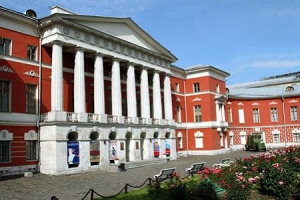
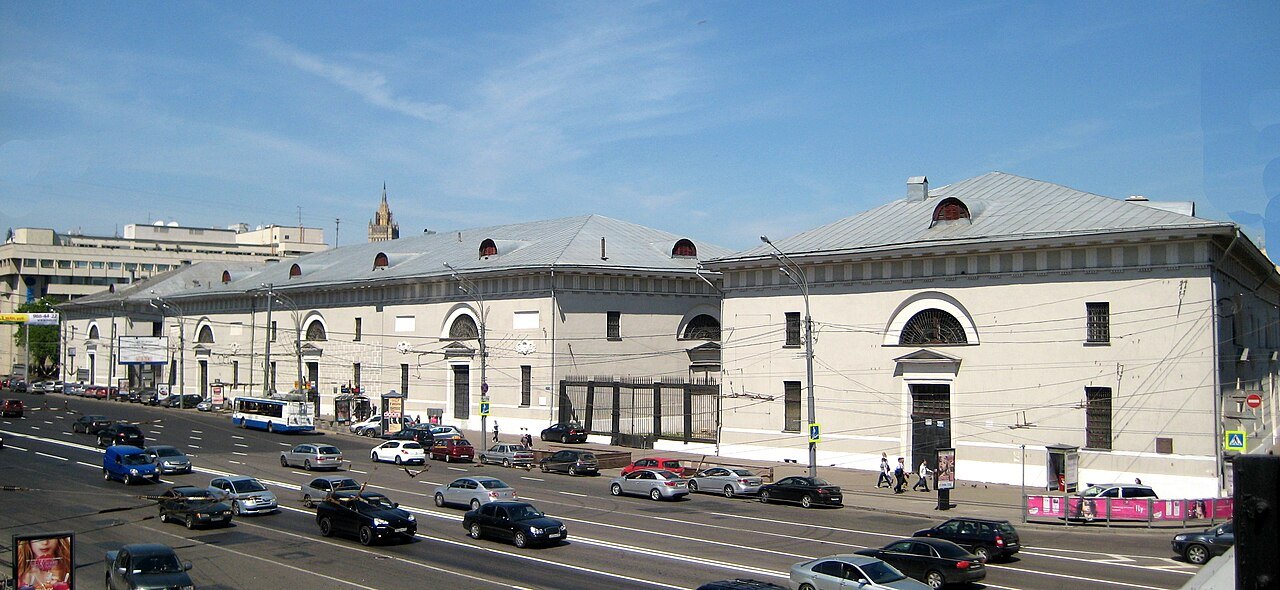
?A city museum — an ordinary genre in Europe — but the material is unique in scale: a million objects about one city. The value is also the Provision Warehouses by Stasov, a model Empire building rarely accessible from inside.
The permanent display History of Moscow: the archaeology of Moscow soil, town life, plans and views of the city by century. And the Provision Warehouses themselves, an Empire monument after Vasily Stasov.
Zubovsky Boulevard 2, bldg 7 ·today 10:00–20:00· from 1,000 ₽ 2 hours7+ The archaeology of Moscow and city life make sense to children: potsherds, bones, models. From 7, with children’s programmes.wheelchair — step-freeThe museum — step-free. The Provision Warehouses were converted: ramps, lifts, a level courtyard. Getting there — step-free. Park Kultury has no lift. Surface transport along Zubovsky Boulevard; the approach is level. Moscow metro stations almost never have lifts to the platform, except on the Big Circle line and the MCC. A wheelchair user is better served by the surface buses, which are low-floor across the centre.
?The oldest museum of evolution in Russia, built around an idea rather than around a case of stuffed animals: Kots collected proofs of variability, and the display serves the proof. It cannot match Vienna or Berlin for material, but its way of arguing stands on its own.
Early 20th-century taxidermy by Filipp Fedulov, among the finest anywhere; the collection of albinos and melanists gathered by Kots as visible proof of variability; the Living Planet hall.
Vavilova 57 ·today 10:00–18:00· from 550 ₽ 2 hours4+ The best museum in Moscow for pre-schoolers: mounted animals, models, hands-on halls. From 4 to the early teens.wheelchair — step-freeThe museum — step-free. Ramps, lifts between floors, accessible toilets, wheelchairs at the door. Getting there — step-free. Akademicheskaya has no lift and is 700 m away. There is parking and low-floor buses along Vavilova. Moscow metro stations almost never have lifts to the platform, except on the Big Circle line and the MCC. A wheelchair user is better served by the surface buses, which are low-floor across the centre.
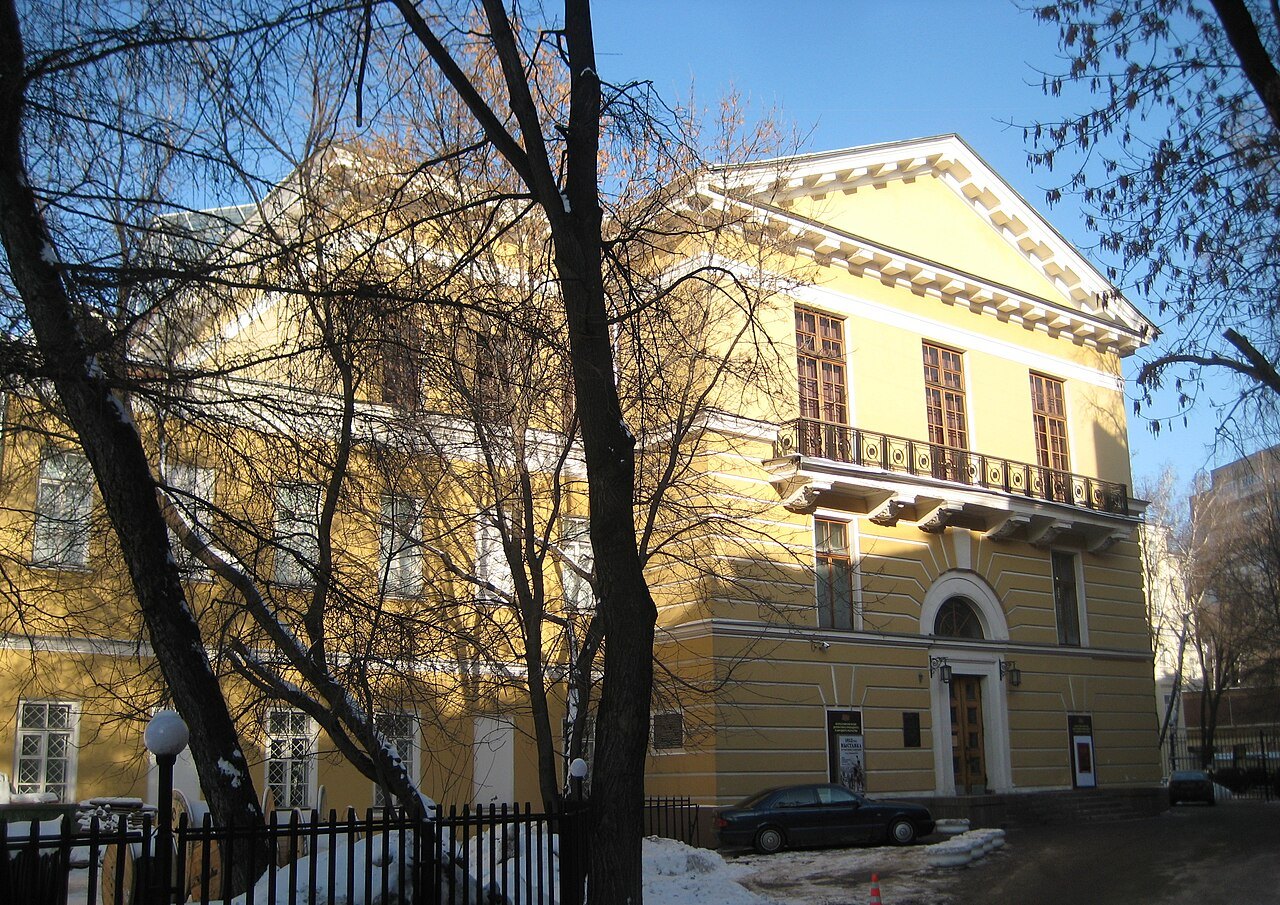
?The only memorial museum of Gogol in the world, in the authentic walls of his last four years. The value is topographic: the room, the fireplace and the staircase give what no edition can.
Six memorial rooms; the fireplace in which, on the night of 12 February 1852, Gogol burned the manuscript of the second volume of Dead Souls.
Nikitsky Boulevard 7a ·today 12:00–19:00· from 150 ₽ 1 hour9+ The memorial rooms need a reader of Dead Souls. No point before nine.wheelchair — noThe museum — no. A 17th-century house entered by steps, with no platform lift. Getting there — partly. Arbatskaya has no lift. Moscow metro stations almost never have lifts to the platform, except on the Big Circle line and the MCC. A wheelchair user is better served by the surface buses, which are low-floor across the centre.
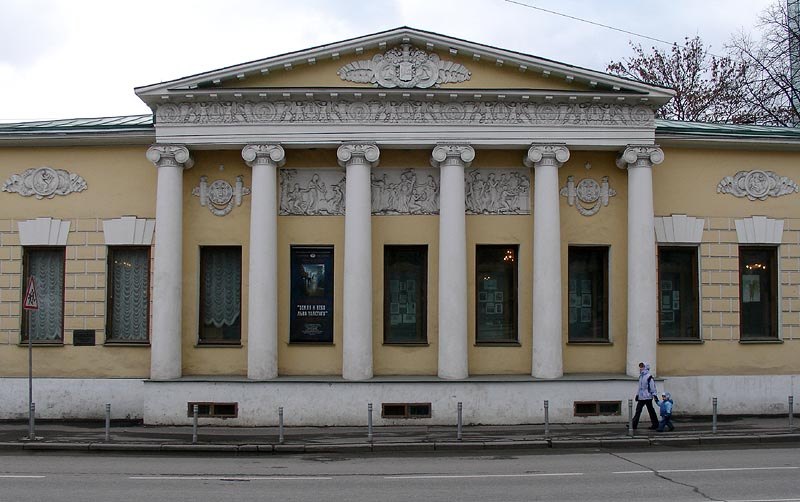
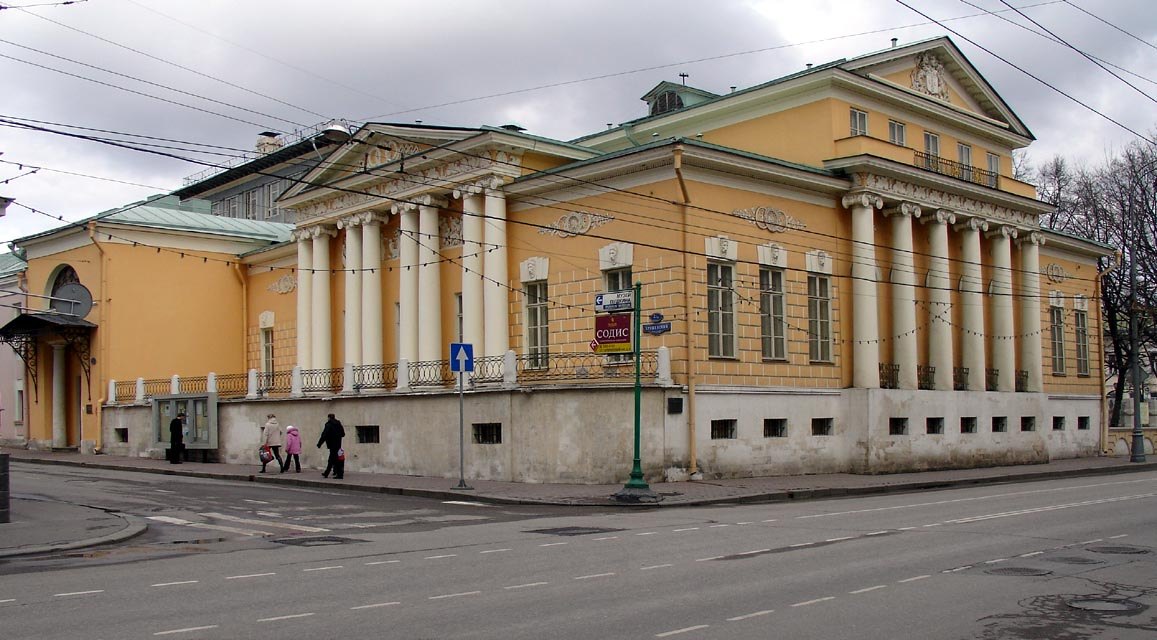
?The largest manuscript fund of any single writer in the world. The value is scholarly: you see how the text was made — Tolstoy rewrote a sentence ten times, and you can watch it happen. For the house he lived in, go to Khamovniki.
Manuscripts in Tolstoy’s hand, first editions, portraits and photographs of the writer and his family. The display follows the books, from Childhood to Resurrection.
Prechistenka 11/8 ·today 11:00–18:00· from 200 ₽ 1.5 hours10+ Manuscripts and editions are for those who have read Tolstoy. From 10, and even then with reservations.wheelchair — noThe museum — no. A mansion with steps at the entrance and no platform lift. Getting there — partly. Kropotkinskaya has no lift. Moscow metro stations almost never have lifts to the platform, except on the Big Circle line and the MCC. A wheelchair user is better served by the surface buses, which are low-floor across the centre.
?The oldest surviving secular building in Moscow. The value is in the vaults themselves: almost no 16th-century interiors are left in the city, and these were recovered by Baranovsky, the restorer who saved half of it.
The Treasury Chamber with its 16th–17th-century interior and the original vaults; the display on Russian–English trade and finds from the Zaryadye digs.
Varvarka 4a (Zaryadye Park) ·today 12:00–20:00· from 350 ₽ 45 minutes8+ 16th-century chambers and the story of the English merchants — from 8.wheelchair — noThe museum — no. 16th-century chambers: steep steps and vaulted cellars, no platform lift. Getting there — partly. Kitay-Gorod has no lift; the paths in Zaryadye park are level. Moscow metro stations almost never have lifts to the platform, except on the Big Circle line and the MCC. A wheelchair user is better served by the surface buses, which are low-floor across the centre.
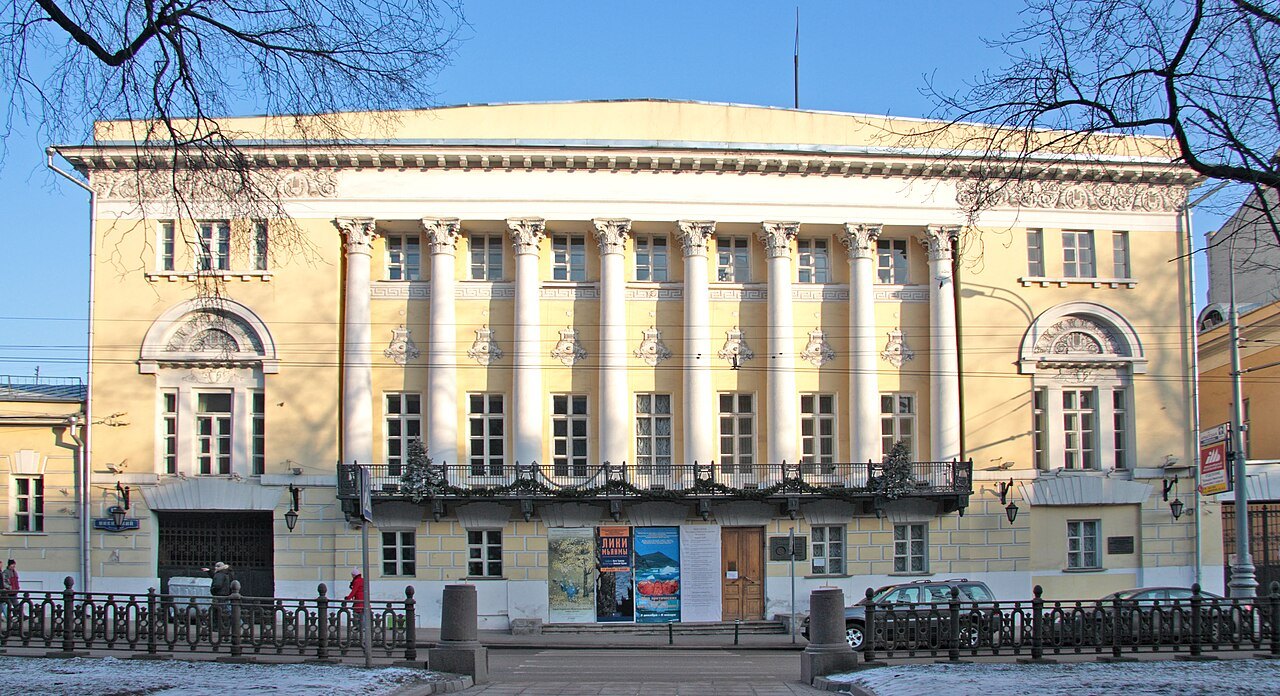
?There is no memorial Pushkin house in Moscow — he did not live here. The value is not authentic walls but a complete age: objects, books and portraits from which the Pushkin era can be reconstructed whole. For relics go to the Moika in Petersburg; for the era, here.
The permanent displays Pushkin and His Age (fifteen rooms of the manor house) and Pushkin’s Fairy Tales; first editions, portraits of his circle, everyday objects of the early 19th century.
Prechistenka 12/2 ·today 10:00–18:001.5–2 hours6+ For “Pushkin’s Fairy Tales” — from 6; younger children will not manage the main display.wheelchair — partlyThe museum — partly. An early 19th-century mansion: a platform lift at the entrance, level between the enfilade rooms but not everywhere. Getting there — partly. Kropotkinskaya has no lift. The approach along Prechistenka is level. Moscow metro stations almost never have lifts to the platform, except on the Big Circle line and the MCC. A wheelchair user is better served by the surface buses, which are low-floor across the centre.
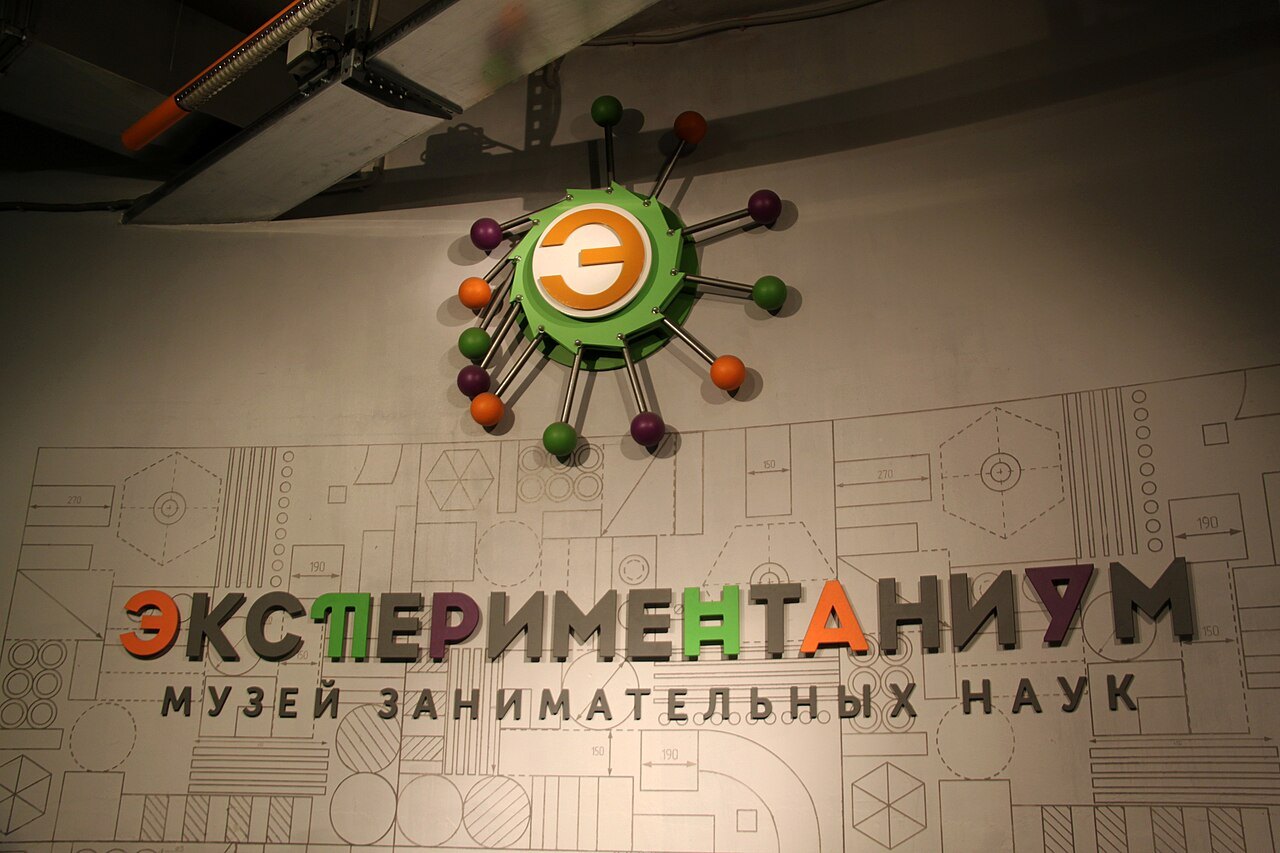
?A Western-style science centre, not a museum: no originals, only apparatus. Excellent for a first acquaintance with physics; it gives nothing at all for the history of science.
Halls of mechanics, optics, acoustics and electricity; a mirror maze; science shows to a timetable.
Leningradsky Prospekt 80, bldg 11 ·today 10:00–20:00· from 1,750 ₽ 3 hours5+ The museum exists to be touched. From 5 to about fourteen is the best age.wheelchair — step-freeThe museum — step-free. All three floors are connected by lift and the exhibits are at reachable height. Getting there — step-free. Sokol has no lift; the building has parking and a level approach. Moscow metro stations almost never have lifts to the platform, except on the Big Circle line and the MCC. A wheelchair user is better served by the surface buses, which are low-floor across the centre.
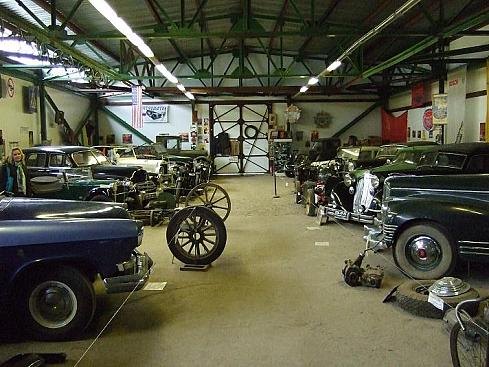
?The first private car collection in the country, begun in 1959 when there was almost nothing to collect and no reason to. The value is historical: a monument to private collecting under Soviet rule.
A Mercedes-Benz 540K the museum links to Joseph Goebbels; government ZIS limousines; vehicles from the collection have appeared in more than 120 films.
Krasnodarskaya, plot 58 ·today 10:00–18:00· from 1,500 ₽ 1 hour6+ Old cars are a safe bet with children, but only on a booked tour.wheelchair — partlyThe museum — not checked. Access not checked; a hangar with thresholds. Getting there — partly. Lyublino has no lift; the museum is 350 m away. Moscow metro stations almost never have lifts to the platform, except on the Big Circle line and the MCC. A wheelchair user is better served by the surface buses, which are low-floor across the centre.
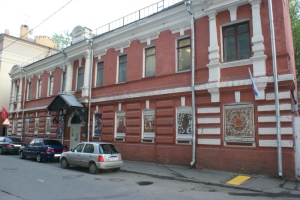
?The lubok is an independent visual system, not a low echo of high art, and in Moscow it is shown only here. The collection is small, the subject unique and almost nowhere else treated as art.
Lubok sheets of the 17th to 19th century, printing boards and a press, and work by living artists who continue the craft.
Maly Golovin Lane 10, bldg 1 ·today 12:00–18:00· from 200 ₽ 45 minutes7+ The lubok is pictures with captions and children follow it. One hall, half an hour.wheelchair — partlyThe museum — not checked. Access not checked. Getting there — partly. Sukharevskaya has no lift. Moscow metro stations almost never have lifts to the platform, except on the Big Circle line and the MCC. A wheelchair user is better served by the surface buses, which are low-floor across the centre.
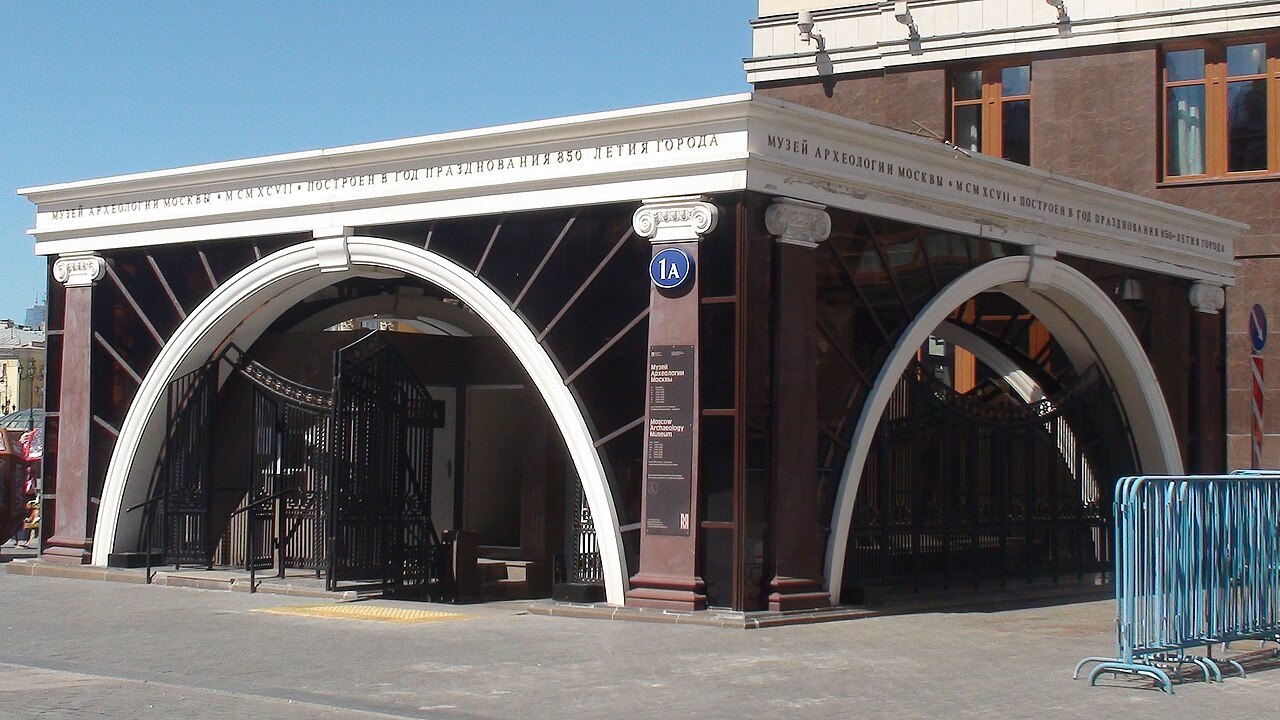
?A museum built around what cannot be moved: the 16th-century bridge piers stayed where they were and the building went up over them. That method of display is rare, and it is the reason to go down.
The white-stone piers of the Voskresensky Bridge of the 16th to 18th century — the museum was built around them; coin hoards found in the city centre; the everyday things of medieval Moscow.
Manezhnaya Square 1a ·today 10:00–20:00· from 400 ₽ 1 hour7+ An underground museum on the site of a dig — children like the descent itself. From 7.wheelchair — partlyThe museum — partly. A descent of seven metres: there is a lift, but the aisles between cases are narrow. Getting there — partly. None of the stations by Manezhnaya Square has a lift. Moscow metro stations almost never have lifts to the platform, except on the Big Circle line and the MCC. A wheelchair user is better served by the surface buses, which are low-floor across the centre.
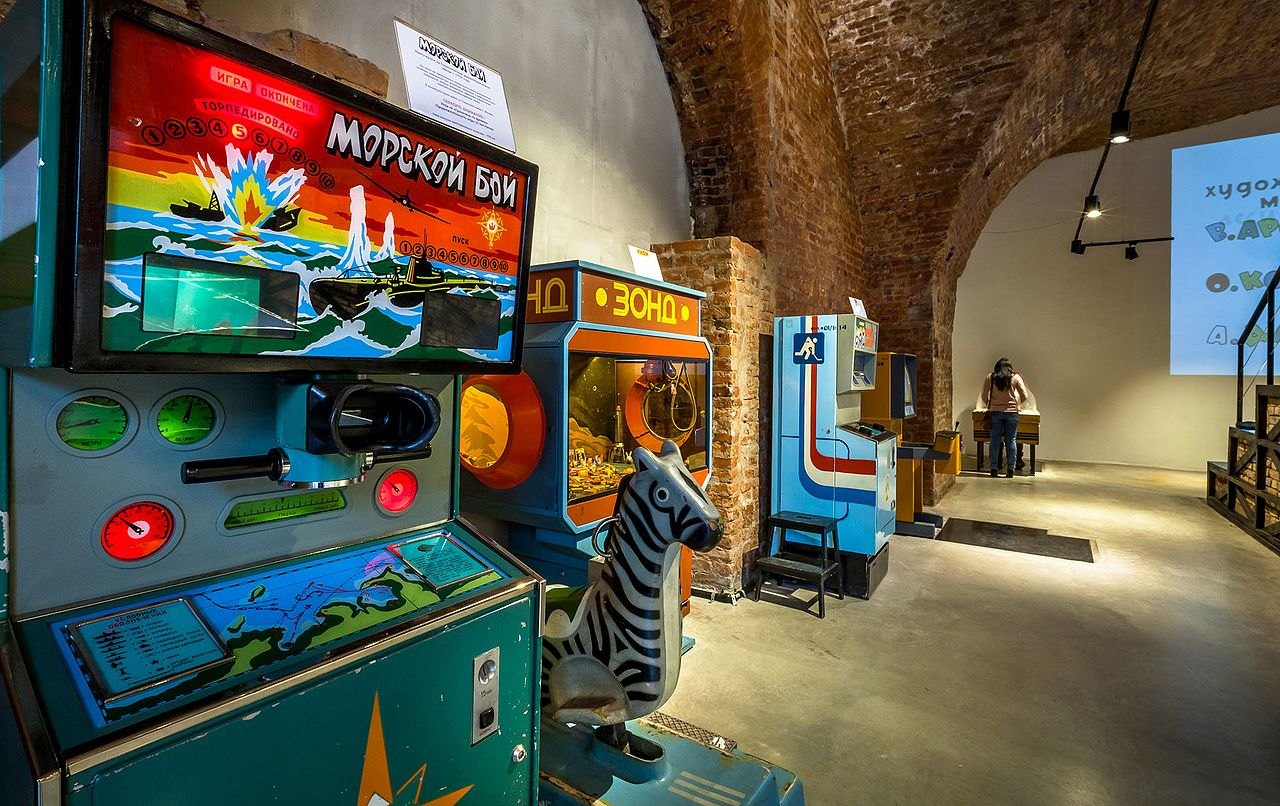
?The only museum where the exhibit works: the machine starts on a coin, and that changes the whole way of meeting the object. As a monument of late Soviet daily life it is precise and honest.
Sea Battle, Gorodki, Sniper, Safari — the machines work rather than stand behind glass; and the soda machine with a faceted glass.
Rozhdestvenka 12 ·today 11:00–21:00· from 650 ₽ 1.5 hours7+ The machines start on a coin and actually work — from seven that beats any display case.wheelchair — partlyThe museum — partly. The hall is in a basement reached by stairs; there is no platform lift. Telephone ahead and staff will help. Getting there — partly. Kuznetsky Most and Lubyanka have no lifts. Moscow metro stations almost never have lifts to the platform, except on the Big Circle line and the MCC. A wheelchair user is better served by the surface buses, which are low-floor across the centre.
?The collection is large, but the display is built ideologically and is unreliable as a source of knowledge — we say so plainly. The value is the building: this is the Moscow English Club, the one from the novels, and some objects such as the propaganda porcelain.
The building of the Moscow English Club — the club of Eugene Onegin and War and Peace, with the lions on its gate; Soviet propaganda porcelain; the collection of gifts to Stalin.
Tverskaya 21 ·today 10:00–20:00· from 500 ₽ 2 hours9+ 20th-century history is dull without preparation; for older children on a theme, yes.wheelchair — partlyThe museum — partly. An 18th-century mansion: a platform lift, some halls up steps. Getting there — partly. Pushkinskaya has no lift. Moscow metro stations almost never have lifts to the platform, except on the Big Circle line and the MCC. A wheelchair user is better served by the surface buses, which are low-floor across the centre.
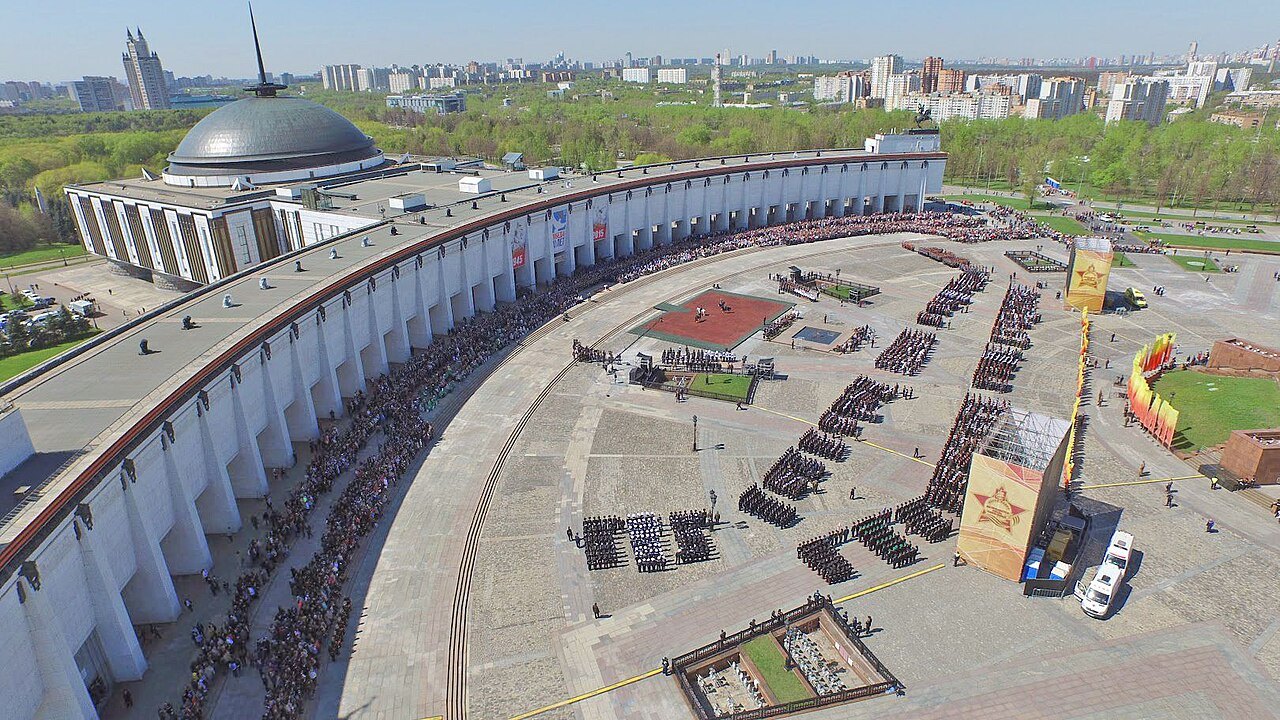
?A memorial rather than a collection: its strength is the scale of the spectacle and the Hall of Remembrance, not the originals. By museum standards it is average, and you should know that before going.
The Hall of Glory and the Hall of Remembrance and Sorrow; six dioramas of the decisive battles; the open-air park of military hardware.
Pobedy Square 3 ·today 10:00–20:30· from 450 ₽ 3 hours8+ The subject is heavy and the dioramas hit hard. Not worth bringing anyone under eight.wheelchair — step-freeThe museum — step-free. A modern complex: ramps, lifts, accessible toilets, wheelchairs lent. Getting there — step-free. Park Pobedy is the deepest station in the Moscow metro, escalators only. By wheelchair, surface transport or a car; parking is ample. Moscow metro stations almost never have lifts to the platform, except on the Big Circle line and the MCC. A wheelchair user is better served by the surface buses, which are low-floor across the centre.
?A departmental museum with working models of city infrastructure — an almost extinct genre. Worth seeing for anyone curious about how the city works underground; there is nowhere else in Moscow for that.
Working models of waterworks, from the Rostokino aqueduct to the present treatment plants; the history of the Moscow sewer in drawings and photographs.
Sarinsky Proyezd 13 ·closed today· free entry 1 hour8+ The working models of the waterworks interest children, but only with a booked tour.wheelchair — partlyThe museum — not checked. Access not checked. Getting there — partly. Proletarskaya has no lift. Moscow metro stations almost never have lifts to the platform, except on the Big Circle line and the MCC. A wheelchair user is better served by the surface buses, which are low-floor across the centre.
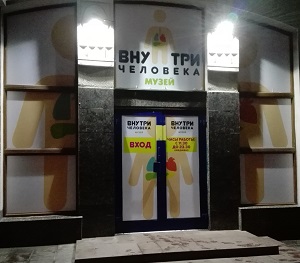
?An attraction, kept in the list for completeness. It has no museum value, and we say so plainly.
Models of organs at human scale and larger, shown with a guide.
Prospekt Mira 119, bldg 55 (VDNKh, Pavilion 55) ·closed today45 minutes5+ An attraction made for children: organ models at human scale.wheelchair — partlyThe museum — not checked. The venue has moved; access not checked. Getting there — partly. VDNKh: level ground, no lift in the station. Moscow metro stations almost never have lifts to the platform, except on the Big Circle line and the MCC. A wheelchair user is better served by the surface buses, which are low-floor across the centre.
?An industrial tour rather than a museum: the value is the walk into the working shop and the history of Einem. As a collection it is next to nothing, and we do not hide that.
A walk into the working shop where sweets are wrapped in front of you; the history of Einem and Krasny Oktyabr in original wrappers and advertising.
Malaya Krasnoselskaya 7 (entrance from Lobachika 1, bldg 1) ·closed today· from 1,800 ₽ 2 hours8+ The age limit is the museum’s own: from 8, this is a working factory.wheelchair — noThe museum — no. Production areas with thresholds and stairs. Getting there — partly. Krasnoselskaya has no lift. Moscow metro stations almost never have lifts to the platform, except on the Big Circle line and the MCC. A wheelchair user is better served by the surface buses, which are low-floor across the centre.




.jpg)
.JPG)






_by_shakko_01.jpg)


_01.jpg)


.jpg)