Art : Moscow museums open on Friday
Not every museum in the city, but those that can open new worlds, point to genuine masterpieces, sharpen the mind and move the soul. Every entry carries our own rating of the collection, what matters most here, a minimum route to the essentials, when to come to avoid the crowds and what it costs. Every entry is dated with its last check.
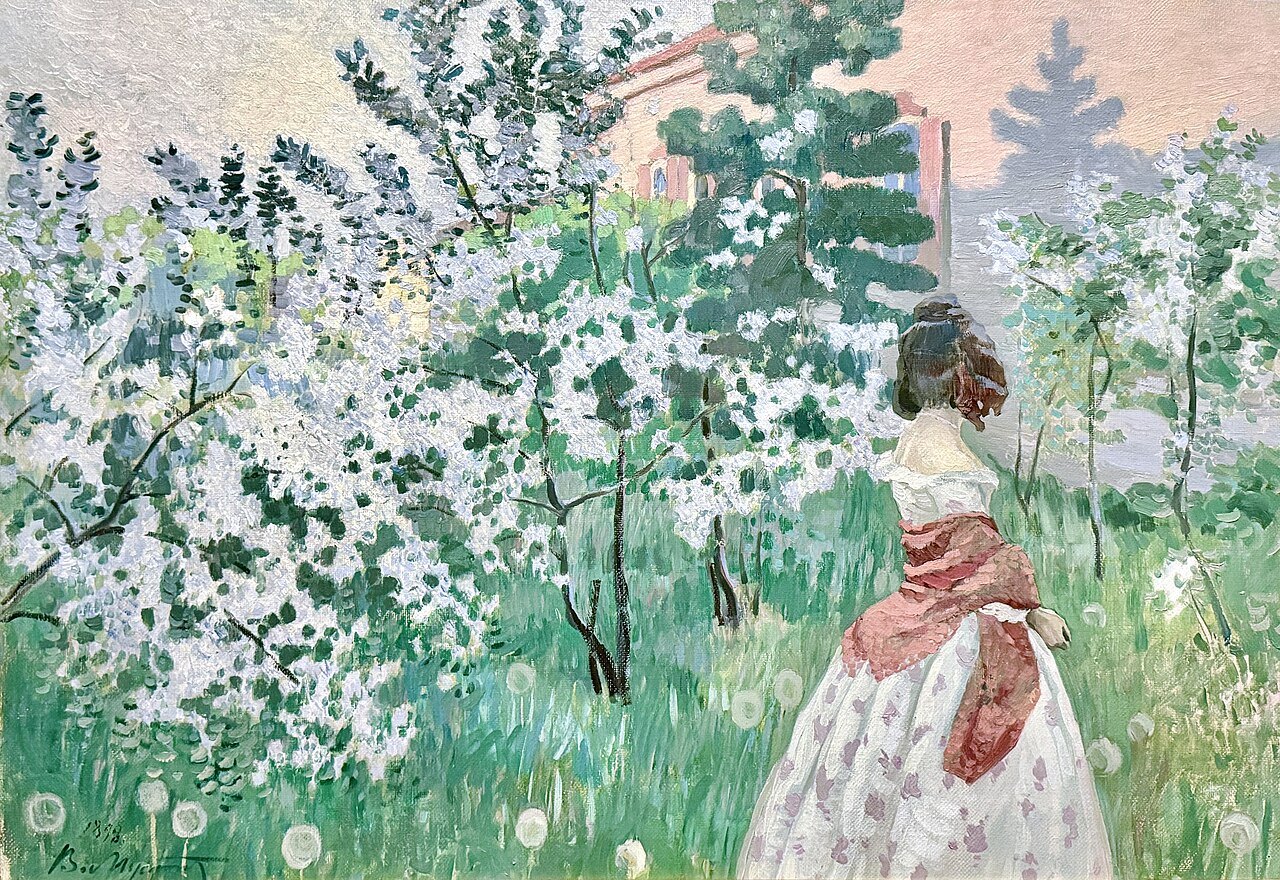

Victor Borisov-Musatov. The Harmony of the Image
Over 140 works from twenty collections: The Pool, The Emerald Necklace and studies almost never shown. Russian Symbolism is one of the summits at which art lifts a person beyond himself; a retrospective this full comes once in a generation.
Work by the sculptor who carved quebracho and algarrobo: in his hands wood holds shapes impossible in marble.
Over seven hundred objects: sculpture and painting of Russian Buddhism, almost none of it shown before. More than a hundred sculptures were conserved for the opening.
More than 150 sheets that almost never leave the store: pastel sheds under light and movement and is rarely shown. Halls 49–54.
The New Tretyakov
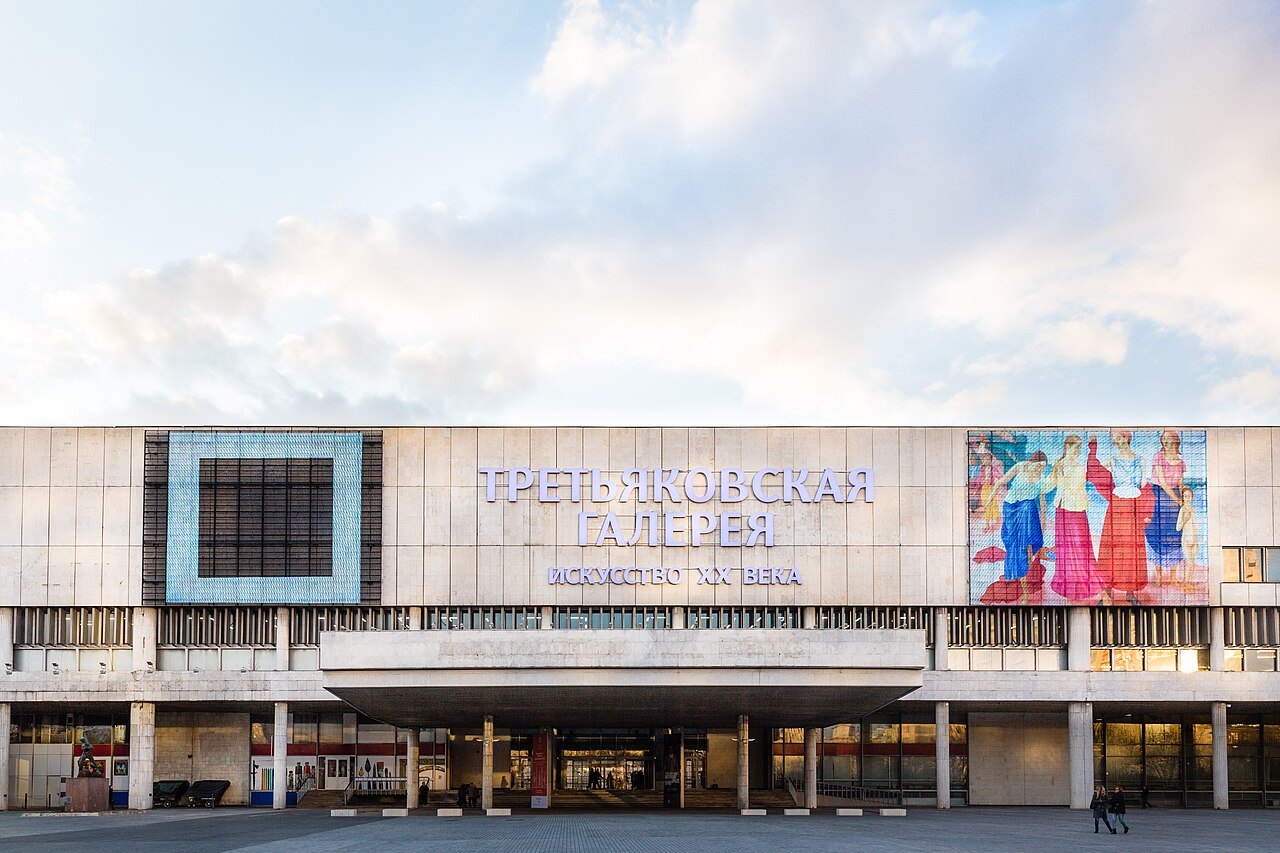

Malevich’s Black Square, Petrov-Vodkin’s Bathing of a Red Horse, work by Kandinsky, Chagall, Goncharova and Larionov, the model of Tatlin’s Tower. Next door: the Muzeon park of dismantled Soviet monuments.
Getting there — step-free. Oktyabrskaya and Park Kultury have no lifts. There is convenient parking at the door and low-floor buses along Krymsky Val. Moscow metro stations almost never have lifts to the platform, except on the Big Circle line and the MCC. A wheelchair user is better served by the surface buses, which are low-floor across the centre.
The Pushkin State Museum of Fine Arts
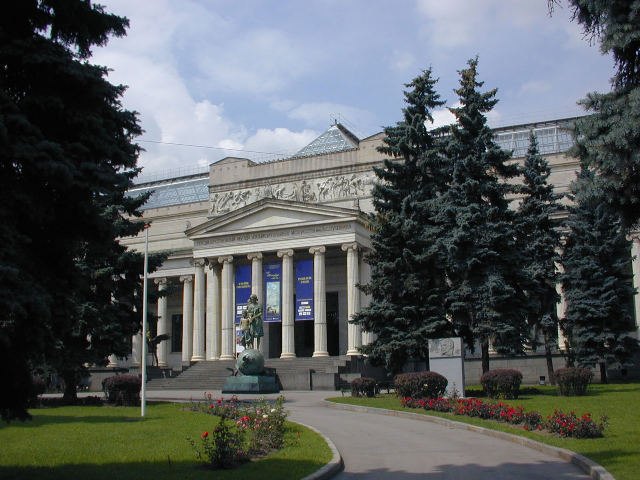

The teaching collection of plaster casts after antique and Renaissance sculpture — Tsvetaev’s idea, unmatched for completeness; the Fayum portraits; objects from Priam’s Treasure found by Schliemann at Troy; the Egyptian collection. The French 19th–20th century is in the Gallery at Volkhonka 14, on a separate ticket.
Getting there — partly. Kropotkinskaya has no lift. The nearest drop-off is on Volkhonka. Moscow metro stations almost never have lifts to the platform, except on the Big Circle line and the MCC. A wheelchair user is better served by the surface buses, which are low-floor across the centre.
The State Tretyakov Gallery
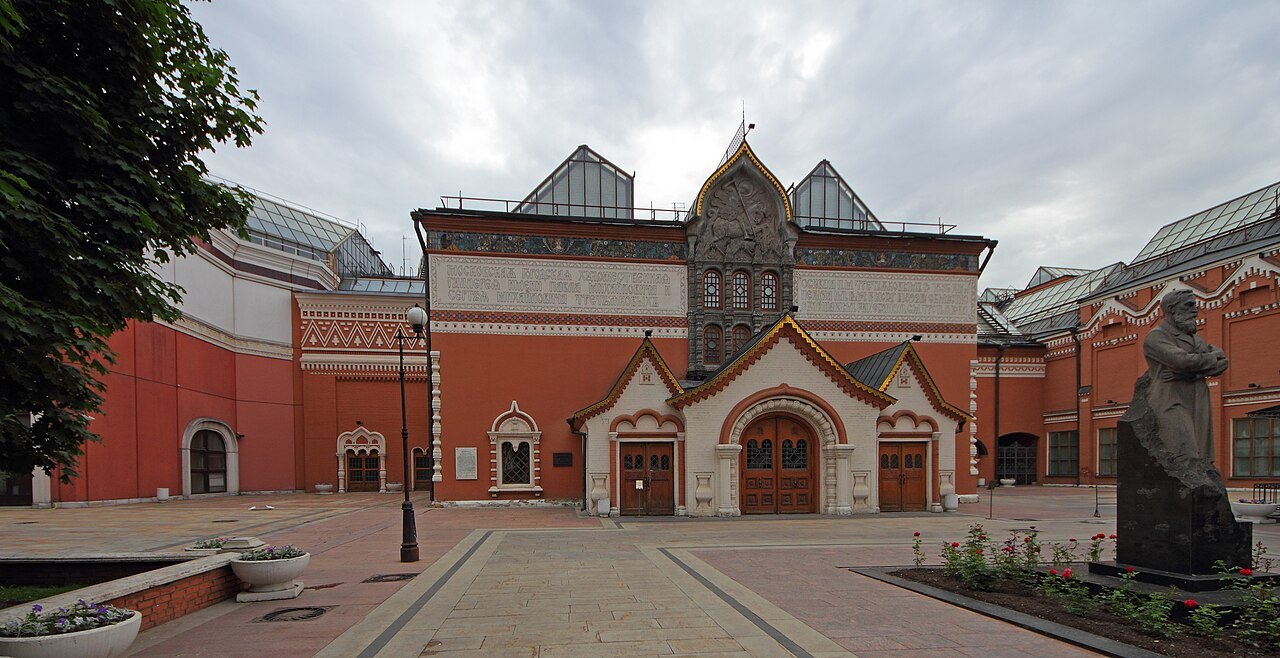

Ivanov’s The Appearance of Christ Before the People in its own hall; Surikov’s Boyarynya Morozova and Morning of the Streltsy Execution; Repin’s Ivan the Terrible and His Son; Serov’s Girl with Peaches; Vasnetsov’s Bogatyrs; the icon halls. Rublev’s Trinity is no longer here: it was handed to the Church in 2023.
Getting there — partly. Tretyakovskaya has no lift. A bus to the “Tretyakov Gallery” stop or a taxi to Lavrushinsky is easier. Moscow metro stations almost never have lifts to the platform, except on the Big Circle line and the MCC. A wheelchair user is better served by the surface buses, which are low-floor across the centre.
Museum of Russian Impressionism
.jpg)
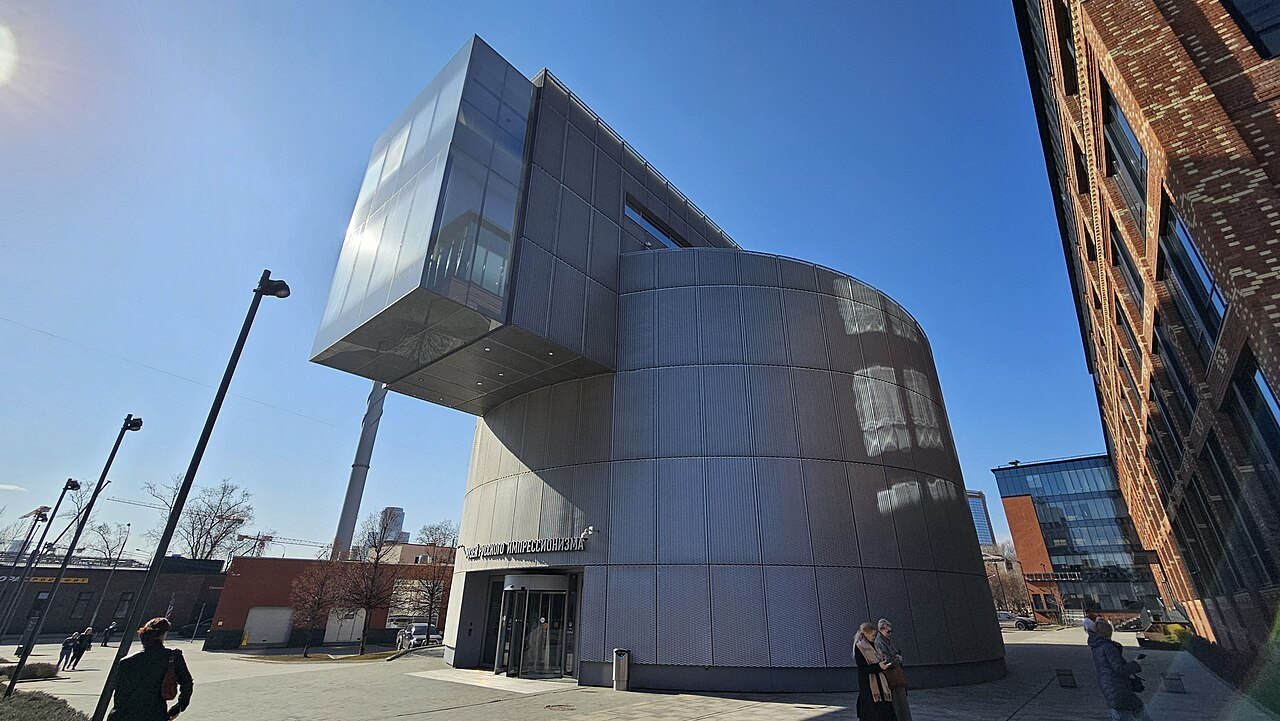
Konstantin Korovin, Valentin Serov, Igor Grabar, Nikolai Bogdanov-Belsky. The building is a converted cylindrical flour store of the Bolshevik factory — a rare case of industry turned into a museum.
Getting there — step-free. Belorusskaya has no lift; the former factory has a level approach and parking. Moscow metro stations almost never have lifts to the platform, except on the Big Circle line and the MCC. A wheelchair user is better served by the surface buses, which are low-floor across the centre.
Shchusev State Museum of Architecture
.JPG)
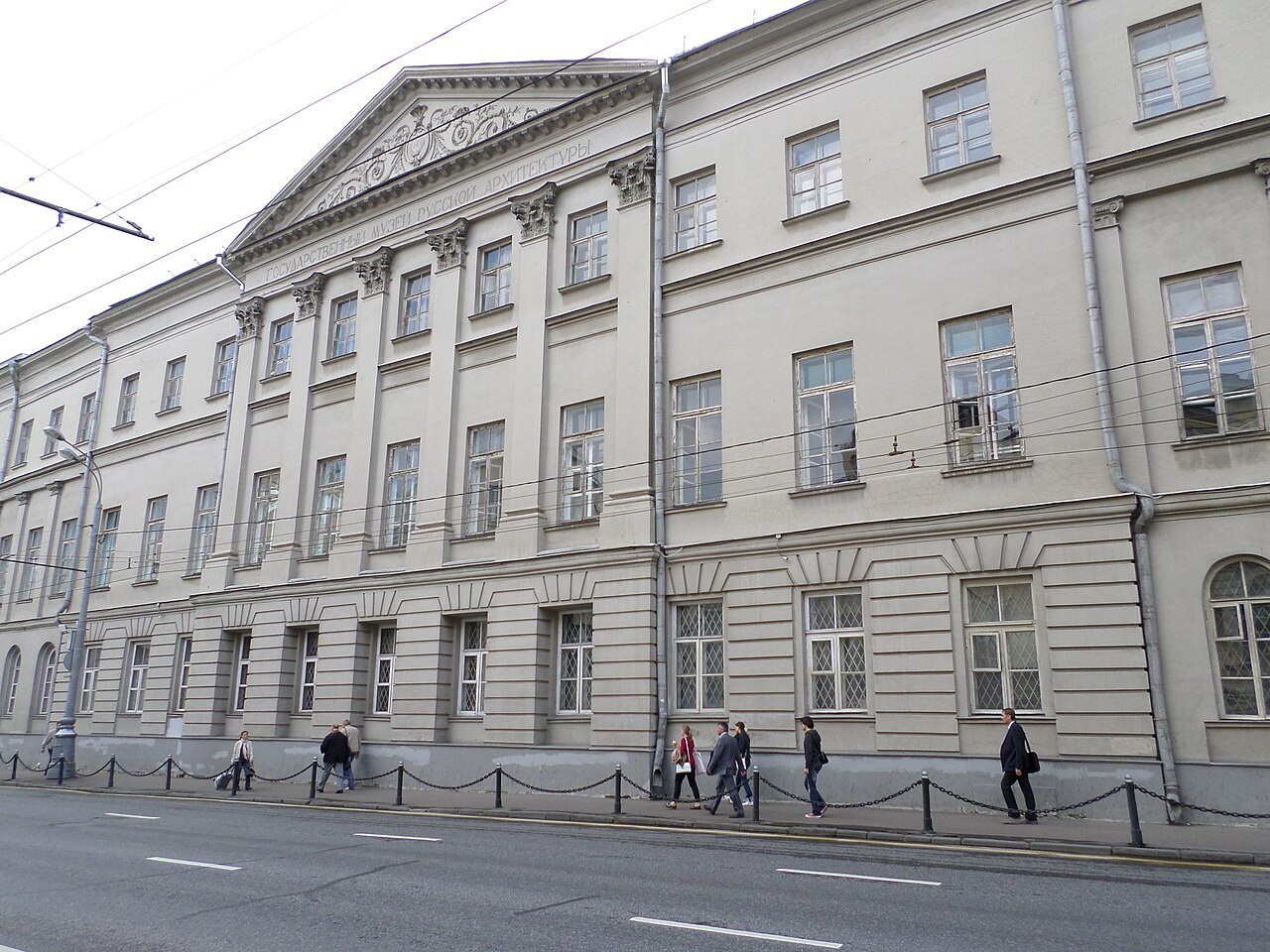
The enfilade of the Talyzin house with its exhibitions; the Apothecary Office, 17th-century chambers where fragments of demolished Moscow buildings are shown; models of unbuilt projects, including material on the Palace of the Soviets.
Getting there — partly. Biblioteka imeni Lenina has no lift. Moscow metro stations almost never have lifts to the platform, except on the Big Circle line and the MCC. A wheelchair user is better served by the surface buses, which are low-floor across the centre.
The State Museum of Oriental Art
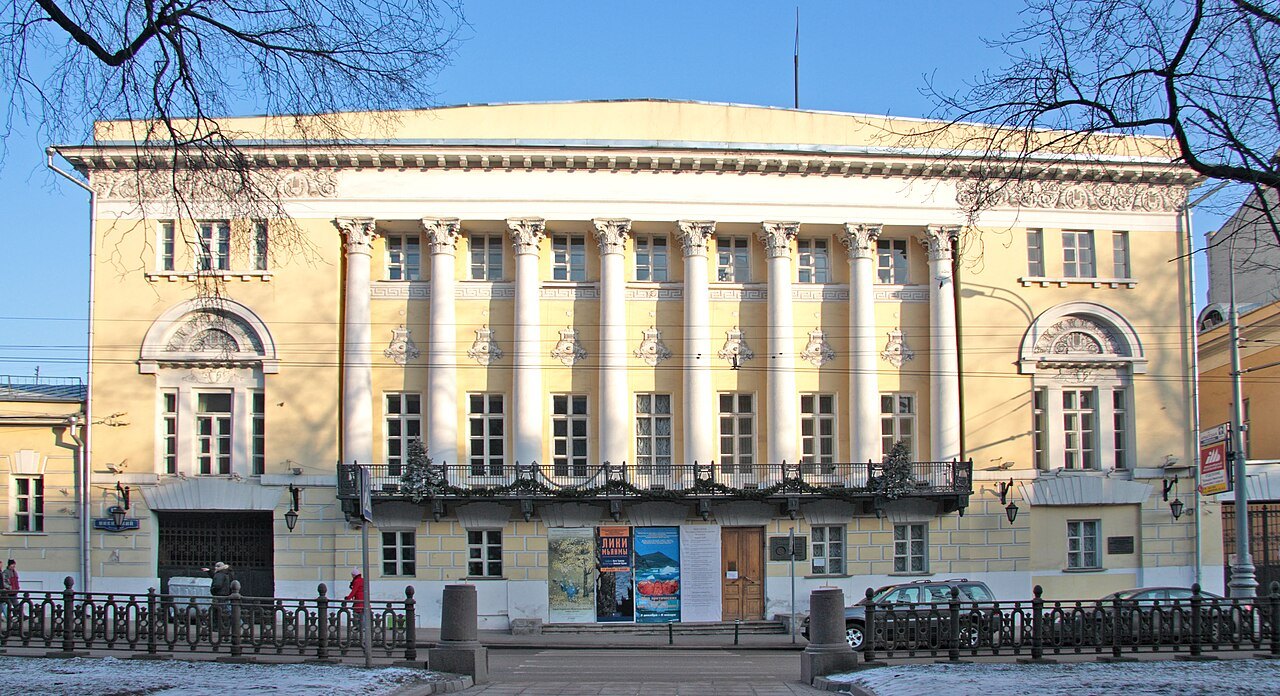

Central Asian and Caucasian carpets and metalwork transferred from the State Museum Fund; Iranian Qajar painting and tilework; Chinese bronze and porcelain, Japanese prints; a Korean section rare for Russia; Buddhist sculpture of Buryatia and Mongolia.
Getting there — not checked. Arbatskaya and Pushkinskaya have no lifts. Surface transport along Nikitsky Boulevard. Moscow metro stations almost never have lifts to the platform, except on the Big Circle line and the MCC. A wheelchair user is better served by the surface buses, which are low-floor across the centre.
Tretyakov Gallery. Kadashevskaya Embankment wing
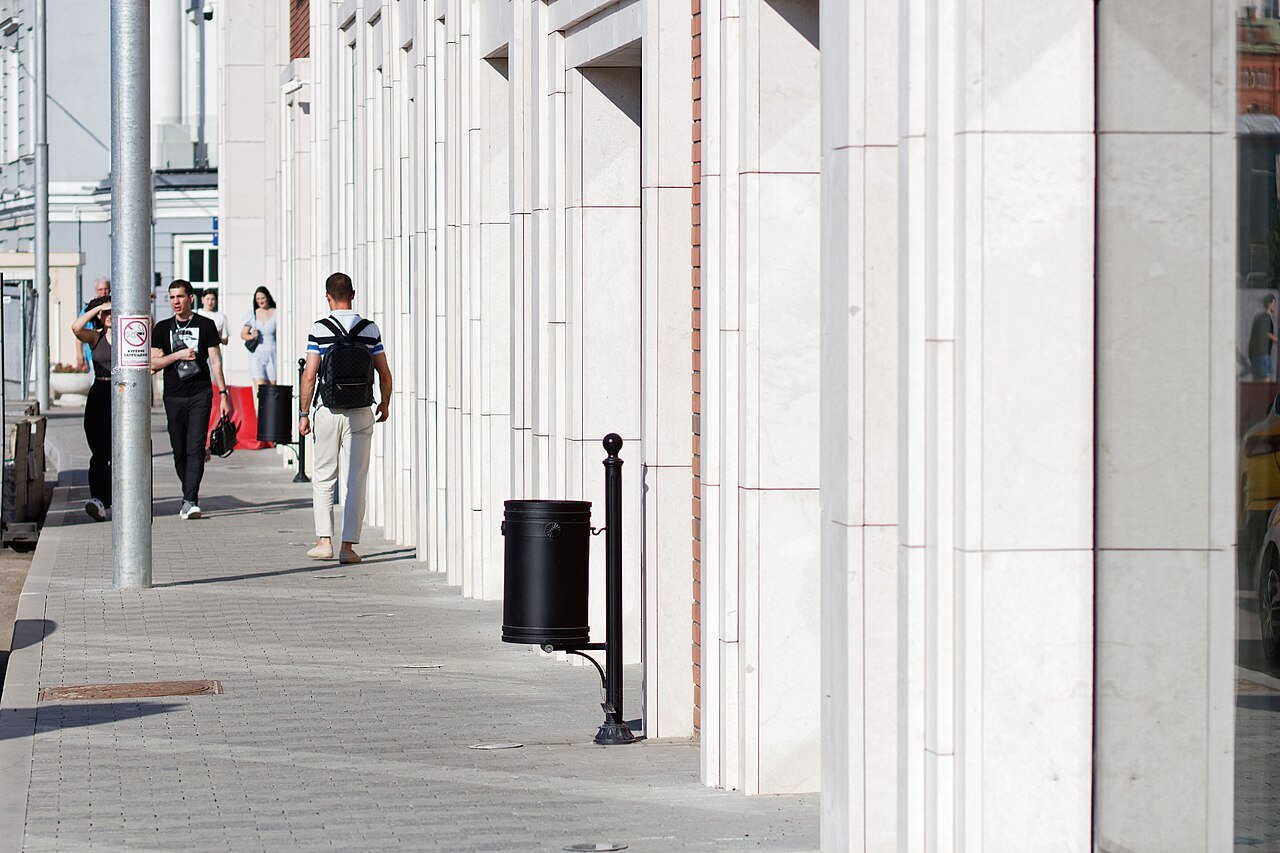

There is no permanent collection — this is an exhibition wing. See the atrium, open without a ticket, and the façades: they carry reproductions of 34 works by Russian artists.
Getting there — step-free. No lift at Tretyakovskaya, but the approach from the embankment is level and there is a drop-off point. Moscow metro stations almost never have lifts to the platform, except on the Big Circle line and the MCC. A wheelchair user is better served by the surface buses, which are low-floor across the centre.
All-Russian Museum of Decorative Art
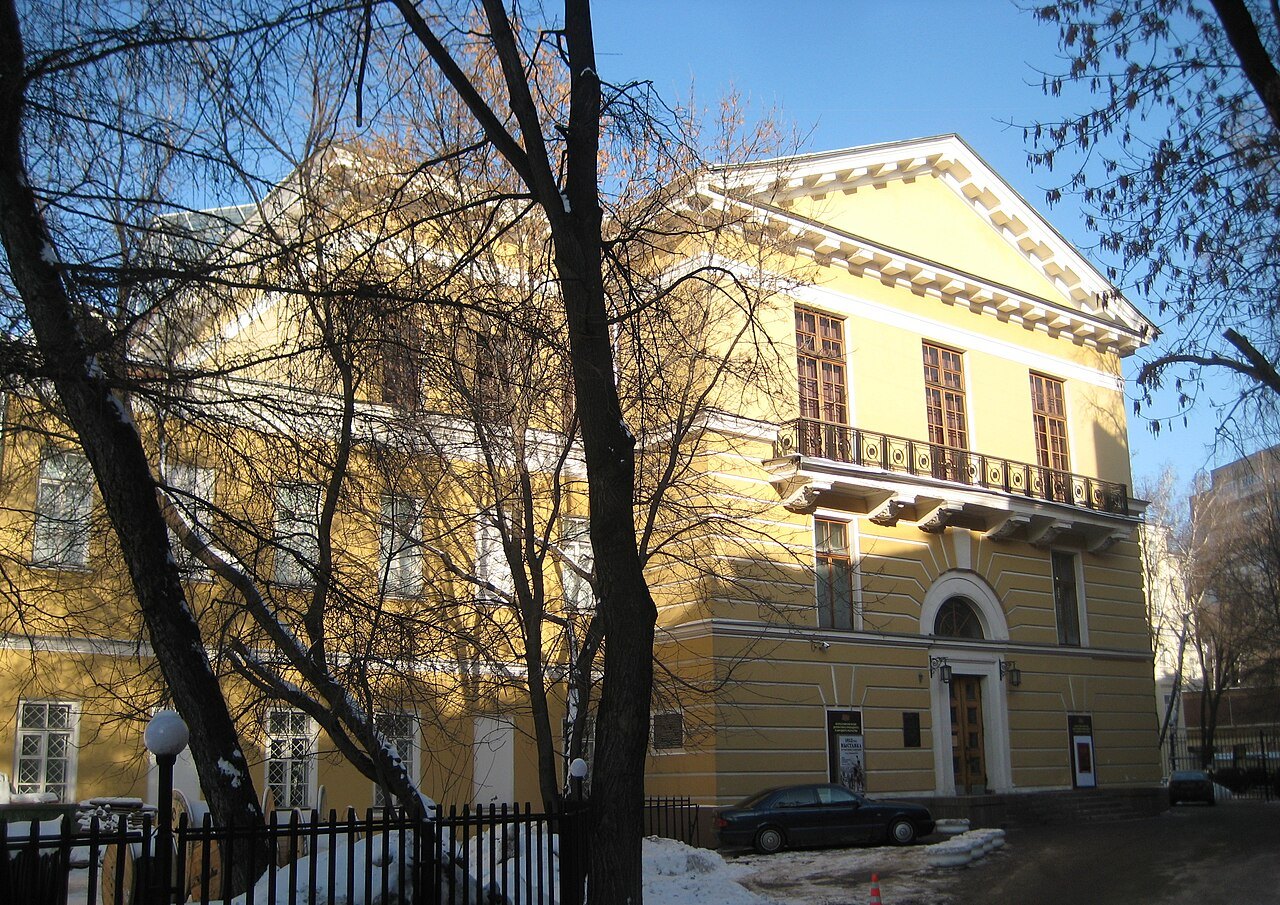

Lacquer miniature — Palekh, Fedoskino, Mstyora, Kholuy; Soviet propaganda porcelain; toys of the peoples of the world; embroidery and samovars.
Getting there — partly. Tsvetnoy Bulvar has no lift. Moscow metro stations almost never have lifts to the platform, except on the Big Circle line and the MCC. A wheelchair user is better served by the surface buses, which are low-floor across the centre.
Museum of Folk Prints
Lubok sheets of the 17th to 19th century, printing boards and a press, and work by living artists who continue the craft.
Getting there — partly. Sukharevskaya has no lift. Moscow metro stations almost never have lifts to the platform, except on the Big Circle line and the MCC. A wheelchair user is better served by the surface buses, which are low-floor across the centre.
We do not remove them from the catalogue: a museum may reopen, and the history of a collection is knowledge too.
We give the rating ourselves and answer for it: it is about the value of the collection, not the size of the building, the visitor numbers or the fame of the name.
- world-class
- In the same rank as the world's leading museums.
- outstanding
- A strong collection: worth setting aside a day for.
- significant
- There are things here worth seeing.
- for enthusiasts
- Of interest to those already drawn to the subject.
- niche
- Valuable to a narrow circle, without wider recognition.
- underratedThe collection is stronger than its reputation: fewer people know it than it deserves
- The collection is stronger than its reputation: fewer people know it than it deserves
Checked on 15 August 2026 — against museum websites and open sources. Every entry carries its own date of checking and what it was checked against. A price we could not confirm we say so, rather than leaving the old one.
Time needed is for the essentials, along our minimum route, without the café, the shop or the cloakroom queue. Going through the whole museum almost always takes longer.
The photographs come from Wikimedia Commons under free licences; the author and the licence are given under each one.
18 May is International Museum Day (since 1977), and the night of 17–18 May is Museum Night. On those days museums keep different hours and are often free.
We answer for every figure and date on these pages. If a museum has changed its hours or its prices, if a link has died, or if you think a museum is missing from the list — write to us. We will correct it and set a new date of checking.